
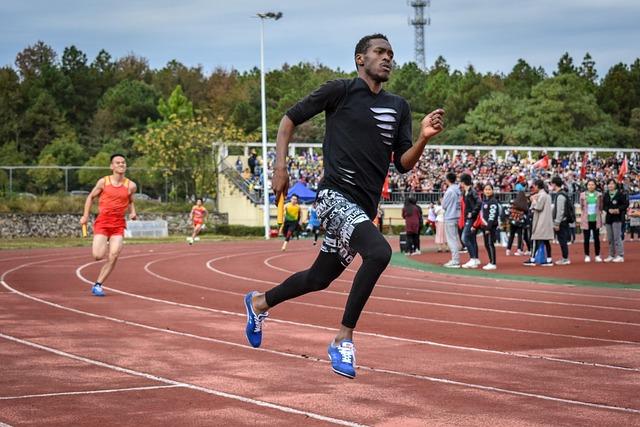
Collen Kebinatshipi, one of Africa’s rising athletic stars, has called attention to the urgent need for enhanced support and protection of African athletes. Speaking in an exclusive interview with the BBC, Kebinatshipi highlighted the challenges faced by sportsmen and women across the continent, including insufficient resources, inadequate medical care, and lack of institutional backing. His candid remarks shed light on the systemic issues hindering the development of African talent and underscore the importance of urgent reforms to safeguard athletes’ welfare and nurture their potential on the global stage.
Collen Kebinatshipi Voices Concerns Over Challenges Faced by African Athletes
Collen Kebinatshipi, a prominent figure in African sports circles, has raised alarm over the persistent challenges that continue to undermine the growth and welfare of athletes across the continent. Speaking in a recent BBC interview, Kebinatshipi emphasized the urgent need for comprehensive support systems that not only nurture talent but also protect athletes from exploitation and neglect. He highlighted issues such as underfunding, inadequate training facilities, and the lack of access to crucial medical care as critical barriers impeding the progress of African sports professionals.
Drawing attention to the disparity between global counterparts, Kebinatshipi called on governments, sporting bodies, and private stakeholders to collectively address these systemic problems. He outlined key areas requiring immediate action:
- Enhanced funding: Investment in infrastructure and athlete development programs.
- Health and safety protocols: Ensuring regular medical checkups and injury management.
- Legal protection: Safeguarding contracts and rights from exploitative agents.
- Education initiatives: Providing career planning and life skills beyond sports.
| Challenge | Implications | Proposed Solution |
|---|---|---|
| Insufficient Funding | Limited training and competition opportunities | Increased government and private sector investment |
| Inadequate Health Support | High injury rates, career-shortening conditions | Regular medical assessments and specialist access |
| Exploitation by Agents | Unfair contracts, loss of earnings | Stricter regulations and legal assistance |
Examining the Lack of Infrastructure and Resources Hindering Athletic Development
Across many African nations, a glaring deficit in basic sports infrastructure continues to impede the progress of promising athletes. From dilapidated training grounds to the absence of standard equipment, many talents are left to develop their skills under suboptimal conditions. Without access to quality facilities, athletes face increased risks of injuries and inconsistent training quality, which ultimately affects their performance on international stages. Moreover, the lack of specialized coaching and medical staff means that many potential stars are not given the guidance or protection they urgently need to reach their peak.
Support systems, such as funding, nutrition programs, and psychological counseling, remain vastly underfunded or non-existent for many athletes. The following table highlights key resource gaps identified in a recent survey of African sports programs:
| Resource | Availability | Impact on Athletes |
|---|---|---|
| Training Facilities | 35% | Low-quality practice environments |
| Professional Coaching | 40% | Limited skill development |
| Sports Medicine Access | 25% | High injury rates |
| Financial Support | 30% | Inability to focus full-time |
- Inadequate infrastructure often pushes athletes to seek opportunities abroad, draining local talent pools.
- Community-level programs, which could bolster grassroots development, suffer from chronic underinvestment.
- Private and governmental partnerships remain crucial to scaling up resource allocation and protection mechanisms.
The Impact of Political and Economic Instability on Sports in Africa
Political turmoil and economic challenges continue to cast long shadows over the landscape of African sports, hindering the growth and development of talented athletes across the continent. Frequent interruptions caused by civil unrest and governmental instability have led to the cancellation of events, deterioration of sports facilities, and reduced financial backing, which in turn stifles the potential of emerging athletes. Beyond infrastructure, the uncertainty created by unstable governance environments affects sponsorship deals and international collaborations, forcing many promising sports careers into premature obscurity.
Support structures remain alarmingly insufficient, leaving athletes vulnerable both during and beyond their active careers. The need for robust safety nets and institutional protection has never been more urgent. Key areas requiring immediate attention include:
- Access to consistent funding to maintain training programs and international exposure
- Legal protections for athletes’ rights amidst political disruptions
- Establishment of career transition programs to ensure financial and psychological security post-retirement
| Impact Area | Effect on Athletes | Recommended Action |
|---|---|---|
| Economic Instability | Reduction in sponsorship and prize money | Develop alternative funding models |
| Political Unrest | Event cancellations, safety risks | Implement athlete protection protocols |
| Infrastructure Decay | Limited training access | Prioritize facility maintenance and upgrades |
Calls for Comprehensive Support Systems to Protect and Empower African Talent
African athletes face numerous challenges that extend beyond the playing field, including exploitation, lack of proper representation, and insufficient access to quality training facilities. Advocates stress the urgent necessity for comprehensive support frameworks that not only safeguard the rights of these talented individuals but also enable them to maximize their potential on the global stage. This includes implementing robust policies related to contract transparency, mental health services, and career development opportunities.
Key recommendations put forward by experts and sports organisations include:
- Creation of athlete unions to provide legal support and collective bargaining power.
- Investment in grassroots infrastructure to nurture young talent from an early age.
- Access to educational programs focused on financial literacy and personal well-being.
- Stronger partnerships with international sporting bodies for resource exchange and mentorship.
| Support Area | Current Gap | Proposed Action |
|---|---|---|
| Legal Protection | Minimal contract oversight | Establish independent legal advisory teams |
| Health Support | Limited mental health resources | Integrate sports psychologists into teams |
| Training Facilities | Outdated or scarce infrastructure | Increase public and private investment |
To Conclude
As Collen Kebinatshipi’s call to action highlights, the need for enhanced support and protection of African athletes is both urgent and unequivocal. As these sportsmen and women continue to rise on the global stage, addressing the challenges they face-ranging from inadequate funding to exploitation-remains critical. The international sports community, governments, and local organizations must collaborate to ensure that talent from the continent is nurtured safely and sustainably. Only through concerted effort can African athletes fully realize their potential and inspire future generations.