


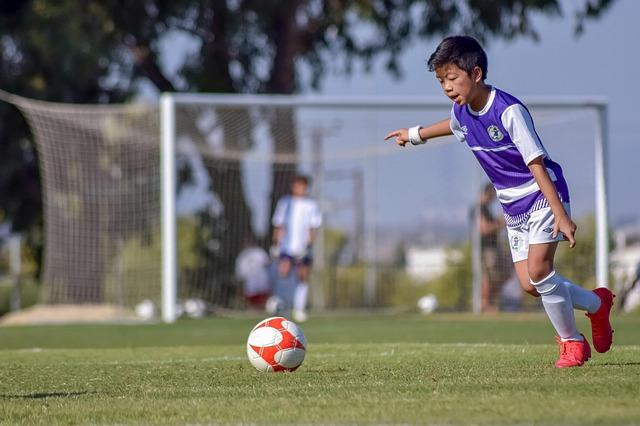
As parents increasingly seek ways to engage their children in healthy, active lifestyles, questions about the appropriate age to introduce kids to organized sports have come to the forefront. Psychology Today explores the latest research and expert opinions on age guidelines for starting children in various athletic activities, shedding light on when early involvement benefits development-and when it might do more harm than good. This article examines the psychological and physical considerations that inform these recommendations, aiming to help families make informed decisions about their children’s sports participation.
Benefits of Early Sports Participation on Child Development
Engaging children in sports from an early age provides numerous cognitive and emotional advantages that extend well beyond the playing field. Research underscores that young athletes often exhibit enhanced problem-solving skills and better emotional regulation, promoting a foundation for lifelong resilience. Participating in team activities fosters social integration, teaching invaluable lessons in cooperation, communication, and empathy. These critical soft skills are naturally nurtured in sports environments, where children learn to navigate both success and failure within a supportive community.
Physical benefits are equally compelling, with early involvement in sports contributing to improved motor skills and coordination. Additionally, maintaining an active lifestyle establishes healthy habits that reduce risks of obesity and chronic illnesses. The table below summarizes key developmental benefits observed in children engaged in organized sports before age 8:
| Developmental Domain | Benefits of Early Sports Participation |
|---|---|
| Physical | Enhanced coordination, stamina, & motor skill development |
| Cognitive | Improved focus, strategic thinking, and memory retention |
| Emotional | Better stress management and increased self-confidence |
| Social | Strong teamwork, communication skills, and peer relationships |
Recommended Age Ranges for Different Types of Sports
When introducing children to sports, understanding appropriate age ranges can maximize both enjoyment and physical development. For younger kids (ages 3 to 6), activities that emphasize basic motor skills like running, jumping, and balancing are ideal; think of playful sports such as gymnastics or swimming lessons. As children progress to ages 7 to 10, they can begin exploring more structured team sports like soccer and basketball, where coordination and simple strategy start to play a role. Introducing these sports at this stage encourages social skills, teamwork, and a positive competitive spirit without overwhelming their developing bodies.
Once kids reach 11 to 14 years, their physical abilities and cognitive understanding often support more intensive sports that demand endurance and tactics, including tennis, track and field, or martial arts. It’s also during this period that specialization in a particular sport may begin, although experts advise maintaining a balance to prevent burnout and overuse injuries. Below is a quick reference table illustrating recommended age ranges aligned with popular sports to help parents and coaches make informed decisions:
| Sport | Recommended Starting Age | Development Focus |
|---|---|---|
| Gymnastics | 3-6 years | Balance & Coordination |
| Soccer | 7-10 years | Teamwork & Agility |
| Swimming | 3-8 years | Endurance & Safety |
| Basketball | 7-10 years | Coordination & Strategy |
| Martial Arts | 11-14 years | Focus & Discipline |
| Tennis | 11-14 years | Precision & Stamina |
Psychological Readiness and Its Role in Sporting Success
Understanding a child’s mental preparedness is crucial when introducing them to sports. Physical ability alone doesn’t guarantee enthusiasm or resilience; psychological readiness determines how well a child copes with challenges, learns new skills, and interacts with teammates and coaches. Factors such as attention span, emotional regulation, and motivation significantly impact a young athlete’s experience and long-term engagement in sports activities.
Parents and coaches should look for signs beyond physical milestones. Key psychological markers include:
- Ability to follow simple instructions and focus for short periods
- Positive response to constructive feedback and willingness to try again
- Comfort with social interaction and teamwork
- Signs of genuine interest and enjoyment in the activity
To better understand how these factors align with age groups, consider the following overview:
| Age Range | Psychological Milestones | Recommended Sports Introduction |
|---|---|---|
| 3-5 years | Basic attention, imitation, play-based learning | Unstructured play, simple group games |
| 6-8 years | Following rules, short teamwork | Introductory team sports, beginner clinics |
| 9-12 years | Strategy understanding, emotional control | Organized leagues, competitive play |
Guidelines for Parents Supporting Young Athletes
Encouraging children to embrace sports at an early age requires a delicate balance between enthusiasm and sensitivity. Parents play a critical role in fostering a positive environment by focusing on fun, skill development, and personal growth rather than immediate competition or performance. Prioritizing these elements helps cultivate a lifelong love for physical activity while also protecting young athletes from burnout and undue pressure.
Supporting young athletes also means recognizing their unique pace of development and adapting expectations accordingly. It’s essential to celebrate small achievements and maintain open communication to ensure children feel valued beyond wins or losses. Below are key areas parents should consider:
- Encouragement over criticism: Reinforce effort and persistence instead of fixating on outcomes.
- Balanced schedule: Allow time for rest and other interests to promote overall well-being.
- Age-appropriate activities: Choose sports and training intensity that match your child’s physical and emotional readiness.
- Positive role modeling: Show respect, fair play, and enthusiasm to inspire good sportsmanship.
| Age Group | Recommended Focus | Typical Milestones |
|---|---|---|
| 3-5 years | Basic motor skills | Coordination, balance |
| 6-9 years | Fundamental movements | Team games, hand-eye coordination |
| 10-12 years | Skill refinement | Strategy, sportsmanship |
Insights and Conclusions
As parents and guardians navigate the myriad options for introducing children to sports, understanding age-appropriate guidelines remains crucial. Experts emphasize balancing physical readiness with emotional and psychological development to foster a positive experience that encourages lifelong healthy habits. With growing awareness surrounding early specialization and burnout, these insights from Psychology Today serve as a valuable resource, helping families make informed decisions that prioritize well-being alongside athletic growth.