
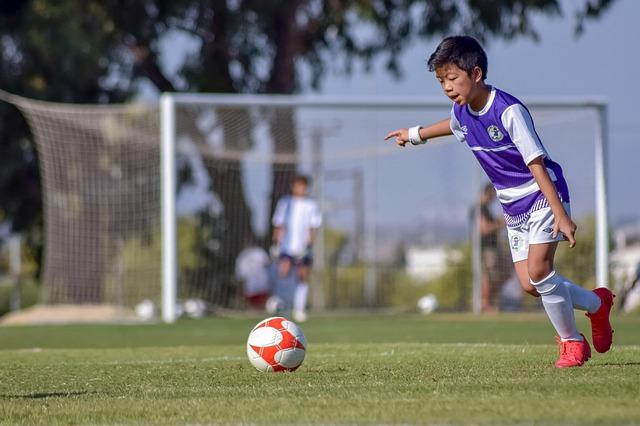
Across Canada, youth sports programs are witnessing a troubling decline in new participants, raising concerns about the future of organized athletics. According to recent data and expert analyses, fewer children are signing up for team sports than ever before-a trend that experts say could have wide-reaching implications for physical health, social development, and community engagement. This article explores the key factors behind why kids are dropping out of sports, from shifting interests and increased screen time to rising costs and parental pressures, shedding light on a phenomenon that is challenging the traditional role of sports in Canadian youth culture.
Declining Youth Sports Participation Signals Growing Concern Among Experts
Experts attribute the steady decline in youth sports participation to a combination of social, economic, and technological factors reshaping how children spend their free time. Increasing academic pressures and the rise of digital entertainment options are drawing many young people away from organized activities. Moreover, concerns over injury risks and the escalating costs of equipment and fees have made participation less accessible, especially for families in lower-income brackets. Coaches and program organizers report seeing fewer sign-ups year after year, echoing a nationwide trend that raises alarms about the long-term physical and mental health of the younger generation.
Key obstacles identified by specialists include:
- Heightened academic and extracurricular commitments limiting available time.
- Parental apprehension about injuries, particularly concussions.
- Financial barriers due to pricey registration, gear, and travel expenses.
- The appeal of alternative digital forms of entertainment that demand less physical effort.
- Lack of community-based programs in rural or underserved urban areas.
| Factor | Impact on Participation | Possible Solution |
|---|---|---|
| Academic Pressure | Reduced time for practices/games | Flexible scheduling, after-school programs |
| Injury Concerns | Reluctance to join contact sports | Improved safety protocols, education |
| Financial Costs | Exclusion of low-income families | Subsidies, community sponsorships |
| Digital Distractions | Preference for screen time | Promote hybrid sports-tech activities |
The Impact of Cost and Accessibility on Kids Quitting Organized Sports
The rising expenses associated with organized sports are increasingly cited as a barrier keeping children from participating. From registration fees and equipment costs to travel expenses for games and tournaments, families often find themselves stretching budgets beyond comfortable limits. This financial strain disproportionately affects lower- and middle-income households, making previously accessible sports activities out of reach for many. Accessibility issues compound the problem: not all neighborhoods have nearby facilities, and limited public transportation options only deepen the divide, forcing families to reassess the feasibility of ongoing participation.
Key factors contributing to dropout rates include:
- High cost of specialized gear and uniforms
- Travel burdens both in time and money
- Limited availability of local sports programs
- Scheduling conflicts with parental work hours and transportation limits
| Cost Component | Average Annual Expense |
|---|---|
| Registration Fees | $250 |
| Equipment | $300 |
| Travel & Lodging | $400 |
| Coaching/Training | $150 |
How Overemphasis on Competition Is Driving Children Away from Athletics
Many children today are abandoning sports programs, and experts point to the increasingly intense focus on winning as a central factor. The pressure to outperform peers, often driven by parents and coaches eager for swift results, has shifted the experience from one of fun and personal growth to high-stakes competition. This environment leaves little room for learning or enjoyment, particularly for younger athletes who may feel overwhelmed or discouraged when performance becomes the sole measure of success.
Several consequences have emerged from this trend, including:
- Increased anxiety and burnout, with young players internalizing fear of failure.
- Dropout rates rising across recreational leagues.
- A decline in team spirit and social bonding, as collaboration nuances give way to individual stats and rankings.
| Age Group | Dropout % After 1 Year | Primary Reason Cited |
|---|---|---|
| 6-8 years | 30% | Pressure to perform |
| 9-12 years | 45% | Loss of enjoyment |
| 13-15 years | 50% | Burnout & stress |
Community Programs and Policy Changes Needed to Revive Youth Sports Engagement
Addressing the decline in youth sports participation requires a multifaceted approach that prioritizes accessibility, inclusivity, and mental well-being. Communities must invest in affordable, quality programs that accommodate children from diverse economic backgrounds, ensuring that financial barriers no longer dictate who gets to play. Local governments and school boards can collaborate on policies that expand safe play spaces, provide proper coaching education, and subsidize equipment costs. These changes not only foster engagement but also build resilience and social skills among young athletes.
It’s equally crucial to shift the culture around youth sports – moving away from hyper-competitiveness and towards enjoyment and personal growth. Here are some key policy actions gaining traction:
- Implementing flexible scheduling to reduce burnout
- Introducing mandatory coach training on child development and mental health
- Creating inclusive leagues for children with varying skill levels and abilities
- Enhancing parental education on supporting healthy participation
| Policy Initiative | Expected Impact |
|---|---|
| Affordable Access Programs | Increase enrollment among low-income families |
| Coach Certification Requirements | Improve child safety and experience quality |
| Flexible Season Structures | Reduce burnout and allow multi-sport participation |
Key Takeaways
As participation in youth sports continues to decline, experts and communities alike face the challenge of addressing the underlying causes-from rising costs and over-competitiveness to shifting interests and the impact of the pandemic. Understanding why fewer children are signing up is a crucial step toward creating more inclusive, accessible, and enjoyable opportunities for young athletes moving forward. The conversation about the future of youth sports is just beginning, and its outcome will shape not only the next generation of players but the broader culture of physical activity and community engagement across Canada.