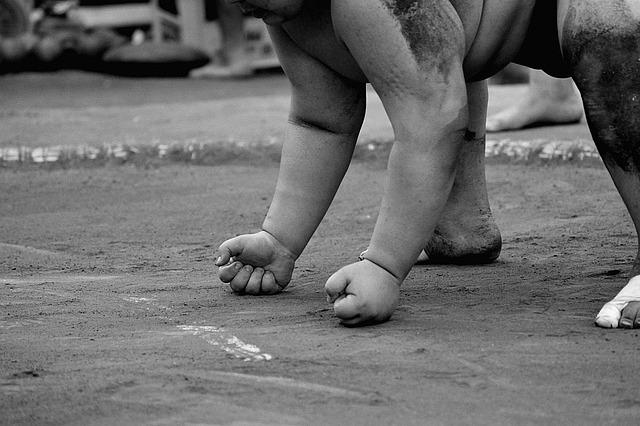
The Government of Japan has long recognized the pivotal role of sports in promoting health, community engagement, and national pride. Central to this effort is the Sports Promotion Act, a legislative framework designed to foster the development of sports at all levels across the country. In a detailed overview published by the Library of Congress’s In Custodia Legis blog, the Act’s origins, objectives, and impact on Japanese society are examined, shedding light on how public policy continues to shape athletic participation and physical education nationwide. This article explores the key provisions of Japan’s Sports Promotion Act and its significance within the broader context of sports policy and cultural development.
Japan’s Sports Promotion Act Drives National Health and Community Engagement
Japan has taken a pioneering role in leveraging sports as a vehicle for enhancing public health and fostering community spirit. The legislation emphasizes not just professional athletics but encourages participation across all age groups and skill levels. Key objectives include promoting physical activity, reducing lifestyle-related illnesses, and strengthening social bonds within local communities. By integrating sports into daily life and public policy, the government aims to cultivate a healthier, more active society that balances modern urban living with traditional values of collective well-being.
Several strategic measures underpin this initiative, including expanded access to sports facilities, funding for grassroots sports programs, and educational campaigns about the benefits of regular exercise. The Act also incentivizes collaboration between municipal governments, schools, and private sectors to create inclusive environments conducive to physical activity. The following table summarizes the primary focus areas and intended outcomes:
| Focus Area | Intended Outcome |
|---|---|
| Community Sports Programs | Build social cohesion and lifelong participation |
| Youth Engagement | Improve health markers and encourage discipline |
| Facility Access | Ensure equitable opportunities regardless of location |
| Public Awareness | Raise recognition of physical and mental health benefits |
- Inclusive policies prioritize accessibility for elderly and disabled populations.
- Interagency cooperation drives resource optimization and program effectiveness.
- Data-driven approaches help track progress and inform future initiatives.
Key Legal Provisions Shaping Sports Development and Athlete Support
The legislative framework underpinning Japan’s approach to sports emphasizes a multi-dimensional strategy designed to foster national athletic excellence and ensure comprehensive support for athletes. Central to this framework are provisions that mandate collaboration between governmental bodies, local authorities, and private organizations to create a robust sports infrastructure. Funding mechanisms are strategically allocated to develop training facilities, promote grassroots participation, and nurture elite talent. Meanwhile, the Act ensures equal access to sports opportunities across all demographics, with particular attention to youth and disabled athletes, thereby bridging gaps often found in competitive sports environments.
Significant legal provisions also address athlete welfare, highlighting protections that safeguard physical and mental health, career longevity, and post-retirement support. This holistic approach includes regulated standards for coaching certification, anti-doping measures, and injury prevention protocols. The following table summarizes key elements promoting sports development and athlete support under the Act:
| Provision | Focus Area | Impact |
|---|---|---|
| Public-Private Partnerships | Infrastructure & Community | Enhanced facility development |
| Equal Opportunity Mandate | Inclusion & Diversity | Wide participation spectrum |
| Athlete Welfare Programs | Health & Career Support | Improved safety and longevity |
| Coaching & Anti-Doping Standards | Fair Play & Quality | Integrity in sports performance |
Assessing the Impact on Grassroots and Professional Sports Programs
The enactment of Japan’s Sports Promotion Act has significantly reshaped the landscape for both grassroots and professional sports programs across the country. At the grassroots level, there has been a notable surge in community-based initiatives aimed at increasing public participation in sports. Local governments and educational institutions have stepped up their efforts to provide accessible facilities and organize inclusive events, fostering a culture of physical activity among all age groups. This democratization of sports is not only promoting healthier lifestyles but also nurturing young talent from diverse backgrounds.
On the professional front, the Act has introduced essential frameworks for sustainable athlete development and enhanced support systems. Increased funding and structured training programs, combined with a focus on ethical management, are elevating the standards of performance and international competitiveness. The following table highlights key dimensions influenced by the Act:
| Aspect | Grassroots Programs | Professional Sports |
|---|---|---|
| Funding | Community grants, local sponsorships | National budgets, corporate partnerships |
| Facilities | Public sports centers, school grounds | Dedicated training academies, stadiums |
| Talent Development | Youth clinics, local leagues | Elite training camps, international exposure |
| Governance | Community boards, volunteer leadership | Professional management, regulatory oversight |
- Inclusivity measures ensuring sports accessibility for women, seniors, and disabled persons
- Promotion of regional pride through local competitions and sports festivals
- Collaborations between schools, municipalities, and private entities to maximize resources
Recommendations for Enhancing Policy Implementation and Public Awareness
To elevate the effectiveness of Japan’s Sports Promotion Act, a multi-pronged approach emphasizing community engagement and transparent governance is essential. First, increasing collaboration between local governments, schools, and sports organizations can foster grassroots participation, ensuring policies resonate authentically with citizens. Additionally, leveraging digital platforms for real-time feedback and progress tracking would enhance accountability and enable swift adjustment to challenges encountered in policy rollouts. This dynamic interaction between stakeholders is key to transforming legislative intent into tangible improvements in sports infrastructure and accessibility.
Public awareness campaigns must be revitalized with innovative outreach strategies to deepen citizen understanding and enthusiasm for sports participation. Incorporating interactive elements such as virtual workshops, localized events, and targeted social media initiatives can create a more inclusive atmosphere that reaches diverse demographics, including youth and elderly populations. Below is a brief overview of recommended awareness tactics:
| Strategy | Target Group | Expected Impact |
|---|---|---|
| Virtual Sports Camps | Youth & Schools | Boost early engagement and skills development |
| Community Ambassadors | Local Residents | Strengthen trust and grassroots participation |
| Senior Fitness Challenges | Older Adults | Improve health outcomes and social inclusion |
| Social Media Hashtag Campaigns | General Public | Amplify visibility and foster nationwide dialogue |
In Conclusion
As Japan continues to position itself as a global leader in athletic development and international competition, the Sports Promotion Act stands as a pivotal framework supporting these ambitions. By fostering greater participation, enhancing infrastructure, and promoting inclusivity, the legislation underscores the nation’s commitment to cultivating a vibrant sports culture. Observers and stakeholders alike will be closely watching how these measures translate into tangible outcomes on both the domestic and world stages. The Library of Congress’s detailed analysis provides valuable insight into the legal and social underpinnings driving Japan’s evolving sports landscape.