
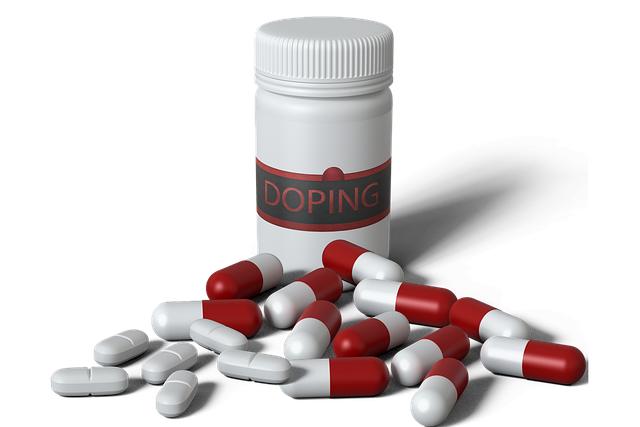
India has emerged as the nation with the highest number of athletics doping suspensions globally, narrowly surpassing Kenya with a total of 148 violations, according to recent data highlighted by femaleinsports.com. This development casts a spotlight on the persistent challenges faced in maintaining clean competition within the sport, raising urgent questions about the effectiveness of anti-doping measures in two of the world’s leading athletic nations. As India edges past Kenya, the implications reverberate across the international athletics community, underscoring the ongoing battle against performance-enhancing drug use in track and field events.
India Tops Global Athletics Doping Suspensions Surpassing Kenya
In a startling revelation from the World Athletics anti-doping agency, India has now overtaken Kenya in the number of doping suspensions among athletes worldwide. With a total of 148 suspensions, Indian athletes have surged ahead, marking a significant development in the ongoing battle against performance-enhancing drug use. This rise has triggered widespread discussions on the effectiveness of current testing protocols and the urgent need for enhanced educational programs on doping prevention within Indian athletics circles.
Comparative data highlights the shifting landscape of doping violations globally. The figures underscore the persistent challenge faced by both nations, traditionally known for their athletic prowess but now grappling with increased scrutiny over doping infringements. Below is a concise summary showing the top three countries with the highest athletics doping suspensions in recent years:
| Country | Suspensions | Percentage Increase (YoY) |
|---|---|---|
| India | 148 | 12% |
| Kenya | 143 | 7% |
| Russia | 120 | 5% |
- Key factors: Increased testing frequency and stricter enforcement.
- Areas of concern: Middle and long-distance running disciplines.
- Preventive measures: Enhanced athlete education and support systems.
Analyzing the Root Causes Behind India’s Rising Doping Cases
India’s surge in doping suspensions within athletics is intricately tied to a mix of systemic challenges and heightened regulatory scrutiny. One key factor is the rapid expansion of sports programs without parallel advancements in robust anti-doping education. Many athletes, especially from rural or underprivileged backgrounds, face a lack of comprehensive awareness about banned substances and their long-term consequences. This gap is further exacerbated by economic pressures and the intense competition to secure limited sponsorships and spots in national teams, which sometimes lead athletes to risky shortcuts in performance enhancement.
Moreover, institutional vulnerabilities have played a significant role. Despite recent improvements, inconsistencies in testing protocols and lapses in support structures persist. The rapid increase in testing has also naturally led to more positives being detected, reflecting a broader commitment from authorities but simultaneously revealing an urgent need for preventive measures. Core contributing elements include:
- Insufficient grassroots anti-doping education and mentorship programs
- Socioeconomic pressures pushing athletes toward doping
- Lack of access to qualified nutritionists and sports psychologists
- Inadequate monitoring at the regional training centers
- Inconsistent enforcement of doping policies across states
| Factor | Impact Level | Suggested Intervention |
|---|---|---|
| Education Gaps | High | National awareness campaigns, mandatory workshops |
| Economic Pressure | Medium | Financial support and career counseling |
| Policy Enforcement | High | Standardizing enforcement protocols nationwide |
Impact on Indian Athletics and International Reputation
The recent surge in doping suspensions among Indian athletes has cast a long shadow over the nation’s flourishing sports culture. Beyond just numbers, these developments have sparked intense debates within the athletics community about the integrity and future of Indian track and field sports. The credibility of upcoming athletes is now under scrutiny, with sponsors and international bodies growing increasingly cautious. This growing skepticism threatens to stifle the momentum India has built over recent decades in athletics, raising questions about the effectiveness of domestic anti-doping measures and athlete education programs.
On the global stage, India’s prominence in the doping suspension charts has tangible consequences for its international reputation:
- Strained relations with international sports federations and governing bodies
- Potential sanctions and increased scrutiny at major competitions
- Reduced opportunities for athletes to secure international endorsements
- Negative impact on youth participation and public trust in athletics
| Country | Doping Suspensions (2023) | International Rankings Impact |
|---|---|---|
| India | 148 | Significant drop in global trust |
| Kenya | 145 | Moderate scrutiny but stable rankings |
| USA | 60 | Maintaining top positions |
Recommendations for Strengthening Anti-Doping Measures in India
Enhancing testing protocols and increasing the frequency of random checks across both national and grassroots levels can significantly reduce doping violations. Establishing a centralized database that tracks athlete biological passports and results management would help in early detection of anomalies and pattern recognition. Moreover, investing in advanced technology-such as AI-based analytics and cutting-edge detection equipment-can empower agencies to stay ahead of sophisticated doping techniques.
Education remains a cornerstone in transforming attitudes toward performance-enhancing drugs. Comprehensive awareness campaigns tailored to young athletes, coaches, and support staff should be prioritized. Additionally, fostering collaboration between government bodies, sports federations, and international anti-doping organizations will create a unified front against doping. Key steps include:
- Mandatory anti-doping education programs embedded in athlete training curriculums.
- Increased funding for National Anti-Doping Agency (NADA) to enhance infrastructure and capacity.
- Transparency initiatives ensuring regular public reporting of testing outcomes and sanctions.
| Measure | Current Status | Proposed Improvement |
|---|---|---|
| Testing Frequency | Moderate | Increase by 40% |
| Education Programs | Limited | Nationwide rollout |
| Technology Deployment | Basic | AI-powered analytics |
| Reporting Transparency | Occasional | Monthly public updates |
Closing Remarks
As the statistics reveal, India has now overtaken Kenya to lead the world in athletics doping suspensions, with a total of 148 cases recorded. This development underscores the ongoing challenges faced by the sport in maintaining integrity and fairness on a global scale. Moving forward, it remains crucial for athletic federations, regulatory bodies, and stakeholders to strengthen anti-doping measures and promote clean competition, ensuring that athletes compete on a level playing field. FemaleInSports.com will continue to monitor this evolving story and its impact on the future of athletics worldwide.