
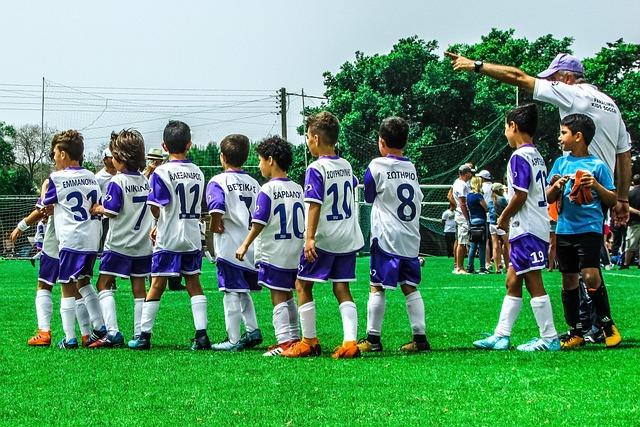
Organized youth sports in the United States are increasingly becoming a domain dominated by privileged families, according to recent findings highlighted by Ohio State News. As costs rise and access to quality programs narrows, children from lower-income households face growing barriers to participation. This trend not only threatens the inclusivity of youth athletics but also raises questions about the broader social implications of sports as a pathway for development and opportunity.
Access Barriers Limit Participation for Low-Income Families
Financial constraints remain a significant hurdle for many families hoping to enroll their children in organized sports. Fees for equipment, coaching, travel, and tournament entry quickly accumulate, often making participation prohibitive for low-income households. Beyond direct costs, ancillary expenses like transportation and time off work add layers of difficulty, effectively sidelining numerous talented youth who lack the necessary resources.
Several systemic issues compound these challenges, including limited access to quality facilities in economically disadvantaged neighborhoods and the scarcity of community-based programs offering affordable alternatives. The following breakdown highlights common barriers faced by low-income families:
- High registration fees that can run into hundreds of dollars per season
- Cost of gear and apparel often required to meet league standards
- Travel expenses for teams competing in regional or national events
- Limited transportation options impacting consistent attendance at practices and games
| Barrier | Estimated Cost | Impact |
|---|---|---|
| Registration Fees | $150 – $400 per season | Prevents enrollment |
| Equipment | $100 – $300 | Discourages participation |
| Travel | $50 – $200 per event | Limits competition exposure |
| Transportation | Varies | Inconsistent attendance |
Rising Costs and Travel Demands Create Unequal Opportunities
The landscape of youth sports is shifting, with increasing costs and extensive travel commitments making participation more difficult for families with limited resources. Rising expenses, including equipment fees, tournament registrations, and travel accommodations, are disproportionately affecting lower-income households, leading to a growing divide where only the more affluent can consistently afford to compete at higher levels. This economic barrier reshapes the playing field, limiting access to crucial developmental opportunities for many aspiring young athletes.
Travel demands particularly exacerbate these inequalities, as many competitive leagues require teams to attend out-of-town events that span multiple days. Families face not only the cost of transportation and lodging but also the challenge of balancing work and school schedules. For some, this means difficult choices between financial security and their child’s athletic aspirations.
- Average annual cost of youth travel sports: $3,000+
- Percentage of families impacted by travel expenses: 42%
- Increase in equipment costs over the past decade: 25%
| Expense Category | 2010 Cost | 2024 Cost | Percentage Increase |
|---|---|---|---|
| Equipment | $350 | $440 | 26% |
| Travel & Lodging | $900 | $1,400 | 56% |
| Registration Fees | $450 | $600 | 33% |
| Coaching & Training | $400 | $550 | 38% |
Community Programs Offer Models for Inclusive Youth Sports Development
Across the U.S., innovative local initiatives are breaking down barriers that often make organized sports inaccessible to many youth. These programs emphasize affordability, diverse participation, and community engagement, creating environments where children from all backgrounds can thrive. By focusing on removing cost-related obstacles and providing equipment, transportation, and coaching support, these models demonstrate how inclusion can be fostered without compromising competitive spirit or skill development.
Key features contributing to the success of these programs include:
- Sliding scale fees or fully subsidized participation costs
- Community partnerships with schools, nonprofits, and local governments
- Multisport options that encourage broad participation, reducing burnout
- Mental health resources integrated into team coaching and training
| Program | Focus Area | Annual Reach |
|---|---|---|
| PlayForward Collective | Multisport access | 3,200 youth |
| Equip All Athletes | Gear loans & subsidies | 1,750 youth |
| Community Champs | Inclusive coaching | 2,400 youth |
Policy Recommendations Aim to Expand Access and Affordability
To combat the growing divide in youth sports participation, several policy proposals have emerged, focusing on reducing financial barriers and broadening access. Advocates emphasize the need for increased funding for community-based sports programs, especially in underserved areas, alongside initiatives to subsidize participation fees and equipment costs. Additionally, partnerships between schools, local governments, and non-profits are seen as essential to create sustainable frameworks that prioritize inclusivity and equity over profit.
Lawmakers and stakeholders are also considering reforms that address structural challenges limiting affordability and access. These include:
- Implementing sliding scale fees based on family income to make programs more accessible.
- Expanding transportation options to ensure kids from remote neighborhoods can participate.
- Standardizing coaching certifications to improve program quality regardless of location or funding.
- Encouraging corporate sponsorships that prioritize community engagement over branding.
| Policy Area | Proposed Action | Expected Outcome |
|---|---|---|
| Funding | Increase grants to local leagues | More free/low-cost programs |
| Fee Structure | Sliding scale fee models | Lower economic barrier |
| Transportation | Community shuttles for events | Improved reach and participation |
| Quality & Coaching | Standardized, affordable training | Equitable coaching across programs |
Closing Remarks
As organized youth sports continue to evolve, the widening gap in access highlights a pressing challenge for communities and policymakers alike. With participation increasingly tied to socioeconomic status, efforts to promote inclusivity and affordability remain crucial to ensuring that the benefits of youth sports are available to all children, regardless of income. Addressing these disparities will be essential in preserving the role of sports as a unifying and developmental experience for Ohio’s youth.