
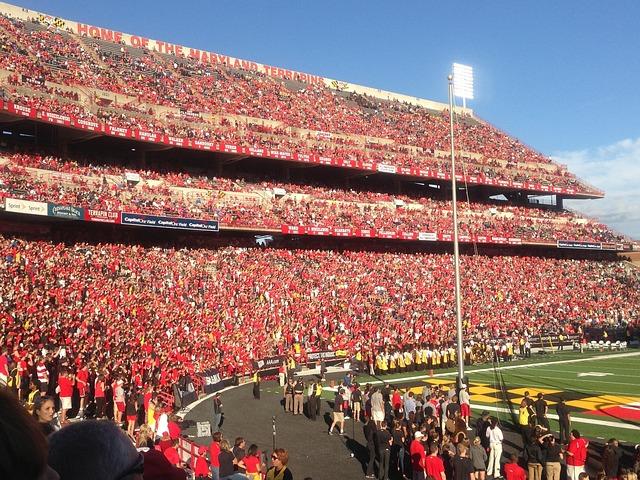
The landscape of college sports is undergoing a profound transformation as institutions across the nation begin compensating student-athletes. In a shift that challenges decades-old traditions and NCAA regulations, paying athletes is reshaping recruitment, competition, and the broader economics of collegiate athletics. This article examines the implications of this emerging trend, exploring how compensation is redefining the college sports experience and what it means for the future of amateurism in athletics.
The Evolution of Athlete Compensation and Its Impact on College Sports
Over the past decade, the landscape of college sports has been dramatically reshaped by the introduction of athlete compensation policies. The shift from strictly amateur participation to allowing athletes to profit from their name, image, and likeness (NIL) rights has introduced a new economic dynamic in collegiate athletics. This development not only challenges the traditional NCAA model but also puts increased pressure on programs to balance competitive success with fair market valuation of athlete contributions. Universities are now navigating complex negotiations, endorsement opportunities, and legal frameworks that redefine what it means to be a college athlete in the 21st century.
The ripple effects extend beyond finances, influencing recruitment strategies, team culture, and institutional priorities. Key areas impacted include:
- Recruitment competitive edge: Programs that can offer better NIL prospects attract top talent more easily.
- Compliance and regulation: Schools must stay vigilant to maintain transparency and adherence to evolving legislation.
- Player empowerment: Athletes gain unprecedented control over their personal brands and career trajectories.
- Financial disparities: Wealthier programs and markets create uneven playing fields across conferences.
| Year | Average NIL Earnings | Top-earning Sports | Program Spending Increase |
|---|---|---|---|
| 2021 | $2,000 | Football, Basketball | 5% |
| 2022 | $7,500 | Football, Soccer | 9% |
| 2023 | $15,000 | Basketball, Baseball | 12% |
Balancing Amateurism with Financial Incentives in Collegiate Athletics
As collegiate sports continue to evolve, the traditional ethos of amateurism faces unprecedented challenges. Universities and governing bodies grapple with the need to uphold the spirit of competition, where education and athleticism harmonize, while simultaneously addressing athletes’ growing demands for financial recognition. This balancing act has prompted a reexamination of longstanding policies, sparking debates over fairness, institutional responsibility, and the commercialization of college athletics. Advocates argue that compensating athletes acknowledges their significant contributions to multi-billion-dollar programs, while opponents warn of potential risks, including uneven playing fields and the dilution of academic priorities.
Stakeholders weigh multiple factors when considering athlete compensation, including:
- Maintaining Educational Integrity: Ensuring athletes remain students first, balancing sport and academics.
- Financial Sustainability: Assessing how payments affect smaller programs and overall budgets.
- Equity Among Sports and Athletes: Addressing disparities between revenue-generating and non-revenue sports.
- Regulatory Frameworks: Developing clear guidelines to prevent exploitation and maintain competitive fairness.
| Aspect | Potential Benefit | Potential Challenge |
|---|---|---|
| Financial Incentives | Improved athlete motivation and economic security | Risk of creating pay disparities |
| Amateurism Tradition | Preserves educational mission | May limit athletes’ rights and compensation |
| Regulatory Policies | Defines clear operating standards | Complex enforcement and differential impacts |
Challenges and Opportunities for Universities Amid Changing Payment Models
Universities are navigating uncharted territory as compensation for college athletes reshapes financial strategies and institutional priorities. The evolving payment models demand a reassessment of budget allocations, often forcing athletic departments and academic programs to compete for resources. This realignment introduces potential tensions but also opens the door for innovative funding mechanisms, such as enhanced sponsorship deals and boosted alumni engagement. Yet, the pressure to comply with compliance rules and maintain transparency adds layers of complexity, especially for smaller programs that may struggle to keep pace with larger, better-funded counterparts.
Despite these hurdles, new payment structures present several strategic opportunities for universities. Enhanced athlete compensation can drive recruitment, improve program performance, and elevate the school’s overall brand visibility. Furthermore, embracing these changes encourages institutions to rethink their roles, fostering partnerships with private enterprises and leveraging digital platforms for direct-to-consumer marketing. The following table summarizes key challenges and opportunities faced by universities adapting to this paradigm shift:
| Challenges | Opportunities |
|---|---|
| Balancing budgets amid increased athlete costs | Boosting recruitment through attractive compensation packages |
| Maintaining compliance with complex regulations | Expanding brand exposure via athlete endorsements |
| Resource competition between athletics and academics | Building private partnerships and sponsorship networks |
| Navigating disparities among programs and divisions | Leveraging technology for fan engagement and merchandising |
- Financial restructuring: Creating diversified revenue streams.
- Compliance enhancement: Investing in legal and administrative support.
- Cultural shift: Promoting balance between education and athletics.
Policy Recommendations for Sustainable Athlete Compensation Systems
To foster a balanced and enduring model for athlete compensation, policymakers must prioritize transparency and equity. Establishing clear guidelines that outline eligibility, permissible revenue streams, and oversight mechanisms can prevent exploitation while ensuring athletes are fairly remunerated. Universities and athletic programs should collaborate with independent bodies to monitor transactions, thereby maintaining both compliance and public trust. Integrating educational initiatives about financial literacy and contract negotiation further empowers student-athletes, equipping them for success beyond college sports.
Additionally, creating a tiered compensation framework responsive to varying sports and market demand can help align payments with revenue generation, promoting sustainability. Below is a simplified matrix that illustrates potential compensation tiers based on program revenue and athlete exposure, supporting a scalable approach:
| Program Revenue | Athlete Exposure Level | Suggested Monthly Compensation |
|---|---|---|
| Above $50M | High (National TV, Social Media) | $1,500 – $3,000 |
| $20M – $50M | Medium (Regional Exposure) | $800 – $1,500 |
| Below $20M | Low (Limited Media Coverage) | $300 – $800 |
- Standardized contracts: Clarify rights and duties for athletes and institutions.
- Revenue sharing models: Tie compensation to actual financial performance.
- Support services: Provide career counseling, legal advice, and health benefits.
Final Thoughts
As the landscape of college athletics continues to evolve, the decision to pay athletes is reshaping the dynamics of amateur sports nationwide. From altering recruitment practices to prompting institutional reforms, compensation is no longer a fringe idea but a central issue redefining the collegiate sports experience. As stakeholders navigate these changes, the future of college athletics will depend on striking a balance between tradition and the demands of a modern, commercialized environment.