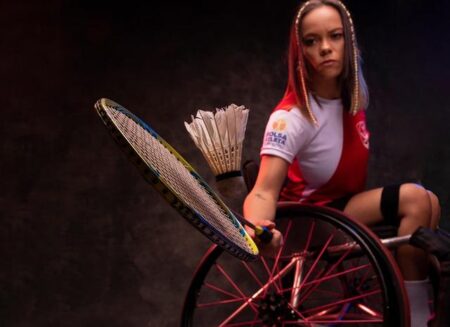
Sex testing in women’s sports has long been a contentious issue, sparking debates about fairness, privacy, and human rights. From its origins rooted in flawed science and discriminatory practices, to the ongoing challenges faced by athletes today, the topic remains deeply complex. As World Athletics prepares to implement a significant policy shift in 2025 aimed at addressing eligibility regulations for intersex and transgender athletes, the sporting world braces for both opportunities and fresh controversies. This article explores the historical harms inflicted by sex testing, the contemporary risks involved, and what the forthcoming changes could mean for the future of women’s athletics.
Historical Harms of Sex Testing Undermining Female Athletes’ Rights
From the early days of competitive women’s sport, sex verification protocols have been mired in controversy and injustice. These tests, ranging from physical examinations to chromosomal analyses, were often invasive and humiliating, disproportionately targeting athletes of color and those with naturally high testosterone levels. Many female athletes faced public scrutiny, discrimination, and outright exclusion based on results that failed to consider biological diversity. The practice not only eroded trust in governing bodies but also perpetuated stereotypes that undermined the dignity and rights of women in sport.
The legacy of these policies is best illustrated by the following outcomes:
- Psychological trauma: Athletes forced to prove their gender identity experienced lasting mental health consequences.
- Career disruptions: Suspensions and bans based on contested test results led to lost opportunities and financial instability.
- Violation of privacy: Mandatory disclosures of intimate medical information became public fodder, compounding stigma.
| Year | Policy Type | Impact |
|---|---|---|
| 1966 | Physical Inspections | First mandatory checks; public outrage |
| 1992 | Chromosome Testing | Banned Caster Semenya’s rivals temporarily |
| 2011 | Testosterone Thresholds | Exclusion of athletes with hyperandrogenism |
Contemporary Risks Highlighted by Scientific and Ethical Concerns
Scientific advancements have cast new light on the limitations and potential misapplications of sex verification protocols in sport. Recent studies emphasize the biological complexity underlying sex characteristics, revealing that simple binary categorizations can fail to capture natural human diversity. This gap in understanding fuels concerns that contemporary testing methods may inadvertently discriminate against athletes with intersex variations or hormonal differences, resulting in unjust exclusions or stigmatization. Experts argue that current policies risk prioritizing rigid definitions over nuanced, evidence-based approaches, potentially damaging athletes’ physical and mental well-being.
Ethical debates also intensify around privacy, consent, and fairness. Critics highlight that mandatory testing enforces invasive scrutiny, frequently without transparent standards or sufficient support for affected competitors. The emerging World Athletics 2025 policy has been met with both cautious optimism and skepticism, as it attempts to balance competitive integrity with inclusion. Key concerns include:
- Implementation transparency and athlete autonomy
- Potential exacerbation of gender policing and discrimination
- Impact on marginalized and vulnerable athletic communities
| Risk Category | Potential Impact | Mitigation Challenges |
|---|---|---|
| Scientific | Biological oversimplification | Developing refined biomarkers |
| Ethical | Violation of privacy | Ensuring informed consent |
| Social | Discrimination & stigma | Inclusive policy frameworks |
World Athletics 2025 Policy Shift Signals New Era in Gender Verification
The recent adjustment in World Athletics’ approach to gender verification marks a pivotal moment that addresses the complex legacy of sex testing in women’s sports. Historically, these policies have disproportionately targeted and stigmatized athletes, often leading to public humiliation and career disruption without clear scientific justification. The 2025 shift adopts a more nuanced framework centered on inclusivity and human rights, moving away from invasive procedures toward a protocol emphasizing self-identification complemented by expert medical consultation when necessary. This evolution mirrors growing recognition of biological diversity and the need to balance fair competition with respect for athletes’ dignity.
Key features of the new policy include:
- Removal of mandatory hormone testing for athletes in most eligible events, focusing instead on eligibility criteria based on performance impact.
- Introduction of education programs aimed at reducing stigma around gender variance and promoting awareness of intersex conditions.
- Implementation of confidential review panels for cases requiring further assessment, prioritizing privacy and ethical standards.
| Policy Aspect | Previous Standard | 2025 Revision |
|---|---|---|
| Testing Requirement | Mandatory hormone and chromosome tests | Voluntary, case-by-case with medical guidance |
| Privacy Protocol | Minimal confidentiality, public disclosures common | Strict confidentiality, athlete consent prioritized |
| Eligibility Focus | Binary biological markers | Performance and fairness-centered assessment |
Recommendations for Inclusive and Fair Competition Frameworks
Crafting competition frameworks that accommodate diverse athletes requires a delicate balance between fairness and inclusivity. A key recommendation is to move beyond binary categorizations of sex and gender, embracing policies that recognize the spectrum of human biology. This includes adopting individualized assessments that prioritize athletic performance metrics over invasive sex testing protocols. Transparency and athlete dignity must be central; policies should be clear, evidence-based, and consistently applied to avoid stigmatization and harm. Additionally, stakeholder engagement is vital-consulting athletes, medical experts, and human rights advocates ensures policies are both scientifically sound and ethically grounded.
- Implement non-discriminatory eligibility criteria that respect bodily diversity without unfair advantage assumptions.
- Focus on performance-based measures, such as testosterone levels linked to competitive outcomes, while ensuring privacy.
- Create appeal processes granting athletes a voice and procedural fairness in eligibility decisions.
- Invest in ongoing research to refine and adapt policies as scientific understanding evolves.
| Policy Element | Goal | Key Principle |
|---|---|---|
| Eligibility Assessment | Fair access to competition | Individualized, evidence-based |
| Transparency | Trust and clarity | Open communication with athletes |
| Appeals Process | Justice and fairness | Independent review |
| Research & Updates | Policy relevance | Continuous scientific input |
To Wrap It Up
As World Athletics prepares to implement its 2025 policy shift on sex testing, the debate surrounding fairness, privacy, and inclusion in women’s sport remains as charged as ever. Historical harms inflicted by invasive and often discriminatory testing protocols serve as a cautionary backdrop to contemporary discussions, highlighting the need for policies that respect athletes’ rights while striving for equitable competition. The evolving landscape demands continued scrutiny and dialogue to balance scientific insights with ethical considerations, ensuring that the path forward in women’s sport honors both integrity and human dignity.