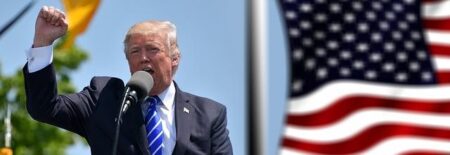

As college sports face mounting challenges-from financial instability to evolving NCAA regulations-the role of government intervention has become a focal point of debate. While former President Donald Trump has positioned himself as a potential savior of the collegiate athletic landscape, experts argue that lasting solutions require decisive action from Congress. This article examines why relying solely on Trump’s influence falls short and how legislative measures could reshape the future of college athletics.
Trump’s Limited Role in Reviving College Sports
While former President Donald Trump has garnered attention for his outspoken support of college athletics, particularly football, his capacity to single-handedly rejuvenate the sector is inherently limited. His influence, largely symbolic at this stage, highlights the broader challenges facing college sports-financial instability, shifting athlete compensation models, and evolving NCAA regulations-that cannot be resolved through executive persuasion alone. The complexities going into the recovery of college sports demand long-term legislative and systemic solutions, rather than the temporary boost generated by high-profile endorsements.
Key obstacles require congressional intervention, including:
- Standardizing Name, Image, and Likeness (NIL) policies to ensure fairness across all institutions
- Allocating federal funding to support smaller athletic programs struggling from revenue losses
- Establishing safeguards for athlete welfare and academic priorities
| Issue | Current Status | Congressional Role |
|---|---|---|
| NIL Regulation | Fragmented state laws | Unified federal framework |
| Program Funding | Uneven support | Targeted grants and aid |
| Athlete Protections | Variable enforcement | National standards and monitoring |
The Urgent Need for Congressional Action
While former President Trump’s proposals spotlight the transformative potential of expanding athletes’ rights, relying solely on executive influence is insufficient for the systemic overhaul college sports desperately require. The inconsistency of changing administrations and fluctuating political agendas has long hindered the establishment of comprehensive protections and equitable frameworks that prioritize student-athletes’ welfare. Congressional intervention not only promises permanency but also the capacity to craft nuanced legislation that addresses the multi-faceted challenges-ranging from financial exploitation to mental health-that student-athletes face nationwide.
Key legislative priorities to consider include:
- Establishing uniform standards for Name, Image, and Likeness (NIL) rights across all states
- Implementing mandatory healthcare and mental health support for collegiate athletes
- Ensuring transparent and fair revenue-sharing models between universities and athletes
- Protecting athletes from exploitation by agents and third-party endorsements
| Current Challenge | Potential Congressional Solution |
|---|---|
| State-by-state NIL patchwork causing confusion | Federal NIL legislation ensuring uniformity |
| Limited athlete healthcare coverage post-graduation | Mandated healthcare provisions funded by NCAA revenue |
| No clear mechanisms for revenue sharing | Legal frameworks for equitable athlete compensation |
How Federal Legislation Can Address Financial and Regulatory Challenges
Federal legislation holds the key to resolving the mounting financial and regulatory pressures that college sports currently endure. By enacting clear and comprehensive laws, Congress can establish uniform standards governing athlete compensation, transparency in college sports finances, and enforceable protections for student-athletes. Unlike patchwork state regulations, nationwide policies would eliminate discrepancies that hinder fair competition across conferences and institutions. Congressional action could mandate stricter financial disclosures, ensuring schools and athletic departments fully disclose revenue streams and expenditures to curb misuse of funds and promote accountability.
Moreover, legislation can enhance regulatory frameworks by introducing protections that go beyond the NCAA’s voluntary guidelines. This may include:
- Defined minimum compensation rights for athletes, protecting them from exploitation.
- Federal oversight committees to monitor compliance with athlete safety and scholarship guarantees.
- Standardized enforcement mechanisms to penalize institutions violating these new rules.
| Issue | Current Challenge | Potential Legislative Fix |
|---|---|---|
| Financial Transparency | Inconsistent reporting across schools | Mandatory federal disclosure standards |
| Athlete Compensation | Unequal NIL regulations between states | Federal NIL framework with clear guidelines |
| Health & Safety | Varying safety protocols and post-care | National safety standards and long-term care provisions |
Policy Recommendations for Sustainable College Athletics Reform
To address the growing challenges facing college athletics, lawmakers must prioritize comprehensive legislation that protects student-athletes while ensuring financial transparency. This includes establishing a federal oversight body to monitor compliance with pay-for-play laws and enforce academic standards across all divisions. Additionally, Congress should incentivize universities to invest in mental health resources and career development services, recognizing the increasing pressures athletes face both on and off the field.
Key actions that can pave the way for sustainable reform include:
- Creating standardized contracts for athlete compensation to prevent exploitation.
- Mandating revenue-sharing models that distribute funds equitably among programs.
- Implementing stricter rules against recruitment abuses and booster interference.
- Enhancing transparency in athletic department budgets through public reporting requirements.
| Policy Area | Proposed Measure | Expected Impact |
|---|---|---|
| Compensation | Standardized athlete contracts | Protect rights, reduce exploitation |
| Governance | Federal oversight body | Ensure compliance, reduce fraud |
| Health & Wellness | Expanded mental health services | Improve athlete well-being |
| Financial Transparency | Public budget disclosures | Boost accountability |
Key Takeaways
As the debate over the future of college sports continues to unfold, it is clear that relying solely on former President Trump or any single figure will not resolve the systemic challenges facing collegiate athletics. Meaningful reform requires decisive action from Congress to establish comprehensive policies that address athlete rights, financial transparency, and the sustainability of programs nationwide. Ultimately, the future of college sports depends not on individual influence but on legislative leadership that prioritizes fairness and accountability for all stakeholders involved.