
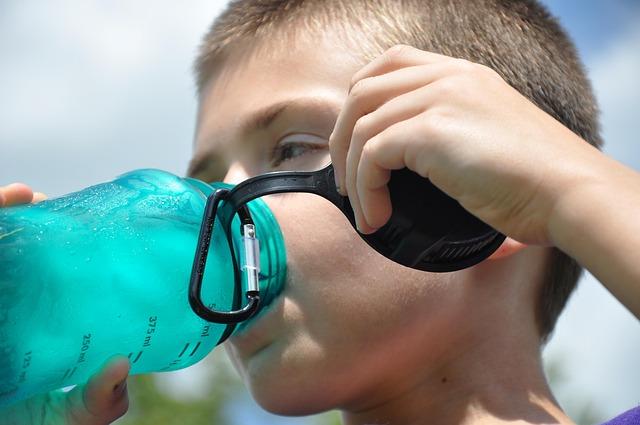
Proper hydration is a critical component of athletic performance and overall health, but many athletes are unsure about how much fluid they truly need before, during, and after exercise. To shed light on this vital topic, Johns Hopkins Medicine sat down with a registered dietitian to answer common questions about sports hydration. In this Q&A, expert guidance is provided on maintaining optimal fluid balance to enhance endurance, prevent injury, and support recovery-offering valuable insights for athletes at all levels.
The Critical Role of Hydration in Athletic Performance
Proper hydration is a cornerstone of peak athletic performance, influencing everything from endurance to cognitive function. When athletes sweat, they lose vital fluids and electrolytes essential for maintaining muscle function, regulating body temperature, and preventing cramps. Even mild dehydration can lead to decreased stamina, slower reaction times, and impaired concentration, underscoring why fluid replacement strategies are critical before, during, and after exercise. Experts recommend athletes tailor their hydration plans according to individual sweat rates, climate conditions, and the intensity of their workouts.
Key hydration tips for athletes include:
- Pre-exercise: Consume 16 to 20 ounces of water 2-3 hours before activity.
- During exercise: Aim to drink 7 to 10 ounces every 10-20 minutes, adjusting for sweat loss.
- Post-exercise: Replace fluids by drinking 16 to 24 ounces for every pound lost during activity.
| Hydration Stage | Recommended Intake | Purpose |
|---|---|---|
| Before Workout | 16-20 oz (2-3 hours prior) | Prepare body fluids |
| During Workout | 7-10 oz (every 10-20 min) | Maintain fluid balance |
| After Workout | 16-24 oz (per pound lost) | Replenish lost hydration |
Signs of Dehydration Every Athlete Should Know
Recognizing early indications of inadequate fluid intake is critical for maintaining peak athletic performance and preventing serious health complications. Common symptoms include dry mouth, dark-colored urine, and unusual fatigue. Athletes might also experience dizziness or headaches, which are warning signs that hydration levels have dropped beyond safe limits. Paying attention to these signals allows timely intervention before dehydration impacts endurance and focus.
It’s important to understand that dehydration can manifest differently depending on intensity and environmental factors. Below is a quick reference guide highlighting primary signs to monitor:
| Symptom | Description | Recommended Action |
|---|---|---|
| Dry Mouth | Feeling of stickiness or parched throat | Increase fluid intake immediately |
| Muscle Cramps | Sudden, involuntary muscle spasms | Rest and hydrate with electrolyte fluids |
| Lightheadedness | Sensations of dizziness or faintness | Stop activity and consume water slowly |
| Dark Urine | Urine is amber or honey-colored | Boost fluid intake; consult if persistent |
Optimizing Fluid Intake Before, During, and After Exercise
Maintaining optimal fluid balance is crucial for peak athletic performance and recovery. Before exercise, experts recommend consuming about 16-20 ounces of water at least four hours prior to activity to ensure adequate hydration. If you feel thirsty closer to start time, an additional 8 ounces about 15 minutes before can help prepare your body. During exercise, the goal is to replace lost fluids at a rate that matches sweat loss, typically around 7-10 ounces every 10-20 minutes. For prolonged sessions exceeding one hour, incorporating electrolyte-rich beverages can prevent imbalances and maintain endurance.
Post-workout hydration focuses on restoration and repair. Athletes should prioritize fluids with sodium to enhance water retention and stimulate thirst, facilitating greater rehydration. A practical guideline is to consume 20-24 ounces of fluid for every pound lost during exercise. Below is a simple hydration plan breakdown for different timing phases:
| Timing | Fluid Intake | Key Components |
|---|---|---|
| Pre-Exercise | 16-20 oz (4 hrs before) + 8 oz (15 min before) |
Plain water Optional light electrolyte drink |
| During Exercise | 7-10 oz every 10-20 min | Water Electrolyte beverages if >1 hr |
| Post-Exercise | 20-24 oz per lb lost | Fluids with sodium Recovery drinks |
Expert Tips on Electrolytes and Hydration Strategies
Maintaining the delicate balance of electrolytes is crucial for optimal athletic performance and recovery. Electrolytes such as sodium, potassium, calcium, and magnesium play key roles in muscle function, nerve signaling, and fluid balance. Experts recommend customizing electrolyte intake based on individual sweat rates, activity intensity, and environmental conditions. For example, athletes training in hot climates or engaging in endurance sports may need to prioritize sodium replacement to prevent hyponatremia and muscle cramps. Consuming electrolyte-rich beverages or snacks before, during, and after exercise aids in sustaining energy levels and preventing dehydration.
Effective hydration strategies combine both water and electrolytes to optimize fluid absorption and retention. Here are essential tips endorsed by dietitians:
- Pre-hydrate: Drink 16-20 ounces of fluid 2-3 hours before exercise.
- During activity: Intake 7-10 ounces every 10-20 minutes, adjusting based on sweat losses.
- Post-exercise: Replenish with 1.5 times the fluid lost, including electrolytes, to restore balance.
| Electrolyte | Primary Function | Common Food Sources |
|---|---|---|
| Sodium | Fluid retention, nerve impulses | Salt, sports drinks, pretzels |
| Potassium | Muscle contractions, heart rhythm | Bananas, potatoes, spinach |
| Calcium | Muscle function, bone health | Dairy, fortified plant milk |
| Magnesium | Energy production, muscle relaxation | Nuts, seeds, whole grains |
To Conclude
As the demands of athletic performance continue to evolve, understanding the critical role of hydration remains essential for both amateur and professional athletes alike. Our Q&A with a Johns Hopkins Medicine dietitian sheds light on the latest insights and practical strategies to optimize fluid intake, prevent dehydration, and enhance overall athletic outcomes. Staying informed and proactive about hydration can make a tangible difference in training, competition, and recovery-underscoring the enduring connection between proper nutrition and peak physical performance.