
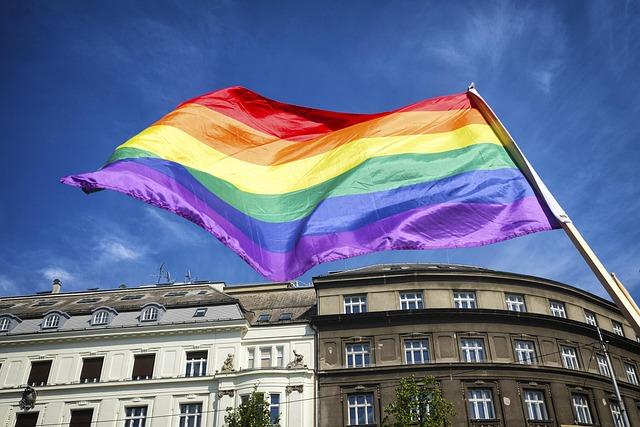
In recent months, legislative efforts aimed at banning transgender athletes from competing in women’s sports have surged across various states, igniting intense national debates. Proponents argue that these measures are necessary to protect female athletes’ rights and preserve fair competition. However, a growing body of evidence and expert analysis suggests that the true motivations behind these bans may lie elsewhere. This article, based on findings reported by The Hill, explores how the movement to exclude transgender athletes from women’s sports extends beyond concerns over fairness and safety, revealing deeper political and social agendas at play.
Banning Transgender Athletes Undermines Inclusivity and Fair Competition
Policies excluding transgender athletes from participating in sports aligned with their gender identity are frequently justified under the guise of ensuring fairness and protecting women’s sports. However, comprehensive research continues to challenge these claims, revealing that such bans often stem from misconceptions and biases rather than scientific evidence. Instead of promoting inclusivity, these measures marginalize transgender individuals, perpetuating stigma and discrimination without addressing genuine concerns about competition.
Consider the following key points:
- Many athletic organizations have implemented guidelines based on hormone levels rather than blanket exclusions, successfully balancing fairness with inclusion.
- Excluding transgender athletes fails to acknowledge the diversity in physical performance among all athletes, regardless of gender identity.
- Inclusivity fosters a healthier, more supportive environment, encouraging participation and diversity in sports at every level.
| Policy Approach | Impact on Athletes |
|---|---|
| Blanket bans | Exclusion, stigma, reduced participation |
| Hormone-based guidelines | Balanced fairness, increased inclusion |
| Individual assessments | Customized inclusion, fairness upheld |
Examining the Real Motivations Behind Legislative Efforts
At first glance, the rhetoric surrounding bans on transgender athletes often frames the issue as one of fair competition and the protection of women’s sports. However, a deeper analysis reveals that these legislative efforts are less about fairness and more about political posturing and cultural division. Instead of addressing any verified instances of competitive imbalance, many lawmakers use these policies to signal allegiance to conservative bases, leveraging transgender athletes as scapegoats in broader culture wars. This strategy diverts attention from pressing issues like education, healthcare, and economic inequality, illustrating how the discourse is manipulated to serve partisan aims rather than genuine concern for women’s sports.
Key patterns emerge when examining the sponsors and timing of such legislation. Bills often crop up during election cycles or periods of heightened social tension, and they are disproportionately introduced by politicians with a record of opposing LGBTQ+ rights. The effectiveness of these laws in achieving their stated goals remains unproven and contradictory to numerous scientific studies and expert opinions. Below is a brief overview of common stakeholder motivations:
- Political Gain: Rallying conservative voters by appealing to traditionalist views.
- Cultural Signaling: Reinforcing ideological divides rather than fostering inclusion.
- Media Attention: Creating controversial talking points to dominate news cycles.
- Distracting from Policy Failures: Shifting focus away from economic and social challenges.
| Motivation | Typical Actor | Impact on Women’s Sports |
|---|---|---|
| Political Gain | Conservative Lawmakers | Minimal, symbolic |
| Cultural Signaling | Activist Groups | Polarizing community relations |
| Media Attention | News Outlets | Amplifies controversy |
| Distracting from Policy Failures | Incumbent Politicians | Shifts public discourse |
The Impact of Exclusion on Transgender Youth and Athletic Communities
Excluding transgender athletes not only marginalizes an already vulnerable group but also fractures the very fabric of athletic communities built on inclusion and respect. Transgender youth face disproportionate rates of mental health challenges, and policies that bar their participation exacerbate feelings of isolation and rejection. Far from safeguarding fairness, these bans often fuel stigmatization and reinforce false narratives that transgender women inherently hold an unfair advantage, ignoring the nuanced realities of hormone therapy and individualized athletic capabilities.
The ripple effects extend beyond the individuals directly targeted. Athletic programs and teams lose valuable members who contribute diverse perspectives and resilience. Inclusive environments have been shown to:
- Enhance team cohesion and morale
- Promote empathy and social awareness among athletes
- Encourage participation from a wider demographic
Without embracing all athletes, communities risk undermining their own principles of fair play and unity – principles that should champion equal opportunity rather than exclusion.
| Impact Area | Effect of Exclusion |
|---|---|
| Mental Health | Increased anxiety and depression |
| Team Dynamics | Decreased trust and support |
| Participation Rates | Lower athlete engagement |
Policy Recommendations for Balancing Fairness and Inclusion in Sports
Ensuring fairness in sports requires nuanced policies that recognize both competitive equity and the rights of transgender athletes to participate authentically. Lawmakers and sports organizations must develop guidelines grounded in science and inclusion, rather than fear or political agendas. Key measures should include comprehensive hormone level monitoring, individualized assessments, and clear yet flexible eligibility criteria that accommodate diverse identities without compromising the integrity of women’s sports.
Recommendations for policymakers and sporting bodies include:
- Implementing standardized hormone thresholds based on the latest endocrinological research.
- Establishing independent review panels with expertise in both sports science and human rights.
- Promoting education campaigns to dispel myths and reduce stigma surrounding transgender athletes.
- Facilitating open dialogue between athletes, coaches, and advocacy groups to foster mutual understanding.
| Policy Aspect | Purpose | Expected Outcome |
|---|---|---|
| Hormone Level Guidelines | Ensure physiological fairness | Balanced competitive environment |
| Independent Review Boards | Objective case evaluations | Credible and transparent decisions |
| Community Engagement | Inclusivity and awareness | Reduced discrimination and bias |
| Ongoing Research Support | Data-driven policy evolution | Adaptable and effective regulations |
| Policy Aspect | Purpose | Expected Outcome |
|---|---|---|
| Hormone Level Guidelines | Ensure physiological fairness | Balanced competitive environment |
| Independent Review Boards | Objective case evaluations | Credible and transparent decisions |
| Community Engagement | Inclusivity and awareness | Reduced discrimination and bias |
| Ongoing Research Support | Future Outlook