
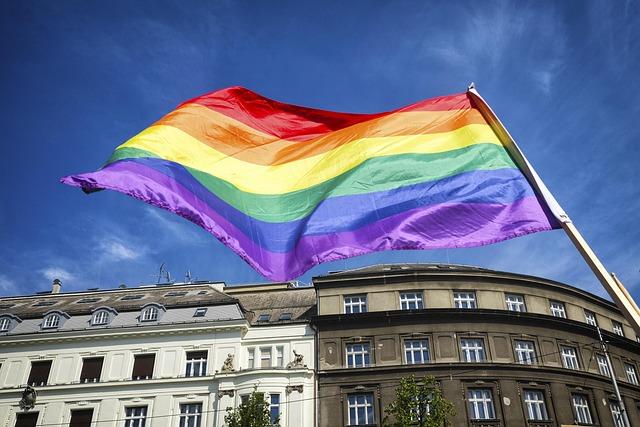
The U.S. Supreme Court has agreed to hear cases challenging policies that restrict transgender athletes from participating in school sports consistent with their gender identity. The decisions under review have sparked national debate over fairness, discrimination, and the rights of transgender students in educational settings. As the Court prepares to weigh in, the outcomes could have far-reaching implications for school sports programs and civil rights protections across the country.
Supreme Court Reviews Legal Challenges to Transgender Athlete Restrictions
In a landmark moment, the Supreme Court has agreed to hear several cases challenging state bans that restrict transgender athletes from participating in school sports consistent with their gender identity. These legal battles center on whether such restrictions violate federal civil rights protections under Title IX and the Equal Protection Clause. Advocates argue that banning transgender athletes amounts to discrimination, while proponents of the restrictions claim they are necessary to maintain fairness in women’s sports.
The Court’s decision to review these disputes comes amid a growing national debate with significant implications for schools, students, and athletic organizations. Key components being scrutinized include:
- The definition of “sex” under federal law and its application to transgender individuals
- Impact on competitive fairness in girls’ and women’s sports
- State versus federal authority in regulating school athletic policies
| State | Transgender Ban Status | Legal Challenge Filed |
|---|---|---|
| Alabama | Enacted | Yes |
| Florida | Enacted | Yes |
| California | No Ban | No |
| Texas | Proposed | Pending |
Implications for School Policies and Gender Identity Rights
The Supreme Court’s decision to hear cases on transgender athlete bans in schools signals a pivotal moment for educational policy and civil rights. School districts nationwide may soon need to reassess their current regulations regarding participation in gender-specific sports. This scrutiny extends beyond athletics, as the ruling could influence broader policies related to gender identity rights within educational environments. Administrators are confronted with the challenge of balancing fair competition and inclusive practices, while remaining compliant with federal and state laws.
Potential impacts on school policies include:
- Revised eligibility criteria for athletic participation based on gender identity.
- Enhanced training and sensitivity programs for staff and coaches to support transgender students.
- Clear guidelines to address privacy concerns and locker room accessibility.
- Increased legal consultations as institutions navigate complex compliance issues.
| Policy Aspect | Current Challenges | Possible Outcomes |
|---|---|---|
| Eligibility Rules | Debates over fairness and competitive balance | Standardized criteria inclusive of gender identity |
| Student Safety | Conflicting needs in facilities access | New protocols ensuring privacy and respect |
| Staff Training | Lack of awareness and preparedness | Mandatory diversity and inclusion education |
Expert Perspectives on Fairness and Inclusion in Competitive Sports
Leading experts in sports ethics and gender rights have offered diverse viewpoints on the implications of excluding transgender athletes from competitive school sports. Dr. Elaine Matthews, a professor of sports sociology, emphasizes the need for inclusive policies that preserve both fairness and dignity. She argues that denying transgender youth access not only impacts their mental health but also contradicts the inclusive spirit fundamental to youth sports. Meanwhile, Coach Samuel Reyes, with two decades of experience in high school athletics, highlights concerns about maintaining competitive balance, suggesting nuanced, case-by-case frameworks might better address the complexities involved.
A recent panel of specialists proposed several key considerations to help shape future regulations:
- Biological factors: Assessing physiological differences without compromising inclusion.
- Psychological well-being: Prioritizing mental health in policy decisions.
- Regulatory consistency: Aligning local rules with evolving federal guidelines.
- Community input: Incorporating voices from athletes, parents, and advocates.
| Expert | Position | Key Concern |
|---|---|---|
| Dr. Elaine Matthews | Pro-Inclusion | Mental health & dignity |
| Coach Samuel Reyes | Competitive Balance | Fairness in play |
| Advocate Lisa Chen | Human Rights | Equal access |
| Dr. Mark O’Neil | Scientific Researcher | Physiological data |
Recommendations for Lawmakers Navigating Transgender Athlete Legislation
Lawmakers face a delicate balance between protecting the rights of transgender athletes and ensuring fair competition in school sports. It is essential that any legislation is grounded in comprehensive, peer-reviewed scientific data and inclusive stakeholder dialogue. Engaging with medical experts, athletic organizations, and transgender advocacy groups can foster well-rounded policies that respect all students’ dignity without compromising athletic integrity. Transparency in the legislative process will also help mitigate misinformation and build public trust.
To aid effective decision-making, legislators should consider the following guiding principles:
- Prioritize evidence-based standards: Utilize up-to-date medical research on physiological differences and gender identity.
- Ensure anti-discrimination protections: Protect students from exclusion or harassment based on gender identity.
- Allow for individualized assessments: Implement flexible criteria rather than blanket bans.
- Promote educational equity: Support schools in providing resources and training on transgender inclusion.
| Focus Area | Key Considerations |
|---|---|
| Scientific Evidence | Review hormone therapy effects, puberty timing, performance data |
| Legal Precedents | Consider recent court rulings on Title IX and civil rights |
| Student Welfare | Address mental health, inclusion, and anti-bullying supports |
| Community Impact | |
| Community Impact | Engage stakeholders, assess public opinion, and foster respectful dialogue |
Future Outlook
As the Supreme Court prepares to hear arguments on the contentious issue of transgender athletes in school sports, the nation awaits a landmark decision that could redefine the balance between inclusion and competitive fairness. This case not only highlights ongoing debates around transgender rights but also underscores the complexities schools face in creating equitable athletic environments. The court’s ruling will likely have far-reaching implications, shaping policies and impacting the lives of students across the country for years to come.