
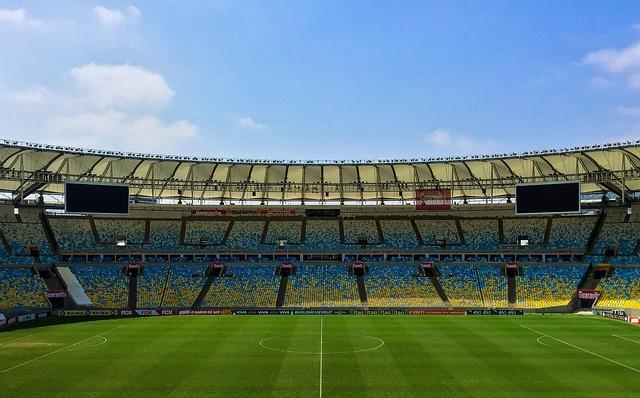
Soccer has reportedly surpassed baseball to become America’s third favorite sport, signaling a significant shift in the country’s athletic landscape. According to recent data highlighted by FOX Sports, the growing popularity of soccer reflects changing demographics and increased youth participation across the United States. This development underscores the evolving sports culture as soccer continues to gain traction alongside traditional American favorites like football and basketball.
Soccer Surpasses Baseball in Popularity Metrics Across the United States
Recent surveys reveal a significant shift in the American sports landscape, where soccer has overtaken baseball as the third most popular sport in the country. This change is underscored by rising attendance figures at Major League Soccer (MLS) matches and escalating viewership ratings for international soccer tournaments. The sport’s growing appeal spans a diverse demographic, with younger audiences and immigrant communities driving much of the momentum. Additionally, investment in youth soccer programs and enhanced media coverage have contributed to this upward trend, signaling a new era in American sports fandom.
The impact of this shift is further illustrated by a comparison of key popularity metrics between soccer and baseball:
| Metric | Soccer | Baseball |
|---|---|---|
| Average Game Attendance (2023) | 21,000 | 18,000 |
| Monthly TV Viewership (Millions) | 12.5 | 10.8 |
| Youth Participation Growth (Last 5 Years) | 15% | 2% |
| Social Media Following (M) | 35 | 28 |
- MLS Expansion: New teams and international player signings increase competitiveness.
- Global Influence: Major international events like the FIFA World Cup boost interest.
- Youth Programs: Enhanced focus on soccer development at grassroots levels.
- Digital Engagement: Soccer’s strong presence across social media platforms attracts younger fans.
Analyzing Demographic Shifts Driving Soccer’s Rise as the Third Favorite Sport
Recent demographic trends reveal a significant shift in the sports preferences across the United States, with younger generations playing a pivotal role in soccer’s surge past baseball. The growing diversity within urban centers, combined with the increasing number of Hispanic and immigrant populations who traditionally favor soccer, has fueled this ascent. These groups have brought their passion for the sport, influencing local communities and youth participation rates. Moreover, soccer’s accessibility – requiring minimal equipment and playable in diverse settings – makes it particularly appealing to younger fans across socioeconomic backgrounds.
Key demographic factors contributing to soccer’s rise include:
- Youth Engagement: Soccer has become the most played team sport among children aged 6-12, fostering lifelong fandom.
- Hispanic and Immigrant Influence: Growth in these populations has increased cultural connections to soccer.
- Urbanization: City dwellers gravitate toward soccer due to its community-oriented nature and smaller playing spaces.
| Demographic Group | Soccer Viewership Growth (2010-2024) | Average Age |
|---|---|---|
| Hispanic Americans | +45% | 29 |
| Millennials | +38% | 34 |
| Urban Youth (18-24) | +50% | 21 |
Impact on Baseball’s Viewership and Strategies for Regaining Fan Engagement
The shift in sports popularity has significantly altered baseball’s audience demographics and viewing figures. Recent ratings indicate a steady decline in televised games, with younger viewers increasingly turning to soccer’s fast-paced action. Baseball leagues now face the challenge of competing for attention in a crowded sports market that prizes immediacy and global appeal. This evolution in fan preferences is reflected not only in broadcast numbers but also in social media engagement, where soccer dominates conversations and highlights, leaving baseball struggling to maintain its traditional foothold.
To counteract these trends, baseball organizations are adopting innovative strategies aimed at rekindling fan interest and broadening their base. Among these initiatives are:
- Shortened game formats: Experimenting with seven-inning doubleheaders and timed innings to attract viewers seeking quicker entertainment.
- Enhanced digital content: Leveraging social media platforms to offer immersive behind-the-scenes footage and interactive fan experiences.
- Community engagement: Partnering with local organizations to build grassroots support and connect with younger audiences.
| Strategy | Purpose | Expected Outcome |
|---|---|---|
| Shortened Games | Reduce total game length | Increase casual viewership |
| Digital Content | Boost online presence | Engage younger fans |
| Community Outreach | Enhance local ties | Grow grassroots support |
Recommendations for Soccer Organizations to Sustain Momentum and Expand Market Share
To capitalize on the surge in soccer’s popularity, organizations must prioritize grassroots development and community engagement initiatives. Investing in youth academies, local leagues, and school programs will nurture homegrown talent while fostering a deeper connection with fans from an early age. Additionally, leveraging technology-such as interactive apps and live streaming platforms-can enhance fan experience, making matches and player interactions more accessible and engaging. Collaborations with mainstream media and influencers are also essential to amplify visibility beyond traditional sports audiences.
Expanding market share requires targeted marketing strategies that resonate with diverse demographics across the U.S. Soccer bodies should focus on creating culturally relevant content and partnerships that embrace the multicultural fabric of American society. Sponsorship models and merchandising campaigns should adapt accordingly, highlighting inclusive branding. The following table outlines key focus areas and corresponding tactics to sustain the sport’s growth trajectory:
| Focus Area | Recommended Tactics |
|---|---|
| Youth Development | School Outreach, Scholarships, Local Tournaments |
| Digital Engagement | Exclusive Content, Virtual Meetups, Real-Time Stats |
| Diversity & Inclusion | Multilingual Broadcasts, Community Clinics, Targeted Ads |
| Commercial Growth | Sponsorship Expansion, Merchandise Customization, Experiential Events |
Concluding Remarks
As soccer continues its steady rise in popularity across the United States, surpassing baseball to claim the position of the nation’s third favorite sport signals a significant shift in American sports culture. This milestone, reported by FOX Sports, reflects changing fan demographics and the growing influence of global sports trends. As Major League Soccer expands and international tournaments draw larger U.S. audiences, the landscape of American athletics appears poised for continued evolution in the years ahead.