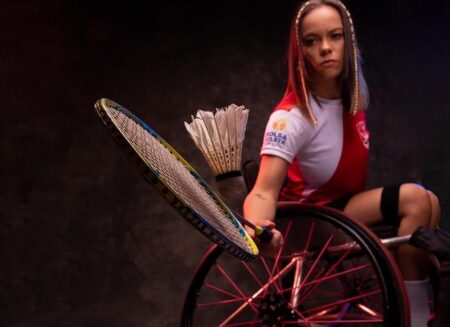

China is experiencing a remarkable surge in youth athletics competitions, signaling a dynamic shift in the country’s sports landscape. According to recent reports from Xinhua, increasing numbers of young athletes are stepping onto competitive platforms nationwide, driven by enhanced investment, grassroots programs, and government initiatives aimed at fostering athletic talent from an early age. This rapid rise not only reflects China’s growing commitment to cultivating future sports champions but also highlights the broader social and cultural emphasis on physical fitness and healthy lifestyles among the younger generation.
China’s Youth Athletics Boom Drives National Sports Development
Across China, youth participation in athletics is reaching unprecedented levels, fueling a nationwide surge in grassroots sports development. Schools and local communities are hosting an array of competitions that span track, field, and cross-country events, attracting tens of thousands of young athletes each year. This vibrant atmosphere not only nurtures emerging talent but also aligns with the government’s strategic goals to enhance the country’s international sports standing. Enhanced training facilities, increased funding, and professional coaching have become staples in many regions, transforming amateur athletics into a serious pursuit within schools and clubs.
Experts highlight several key factors driving this transformation:
- Investment in Youth Programs: Significant funding from both public and private sectors has revitalized infrastructure and accessibility.
- Enhanced School Curriculum: Athletics has become an integral part of physical education, encouraging consistent engagement from a younger age.
- National Competitions: Regularly organized events provide platforms for talent identification and inspire wider community involvement.
The impact is measurable; recent statistics indicate a sharp rise in youth athletic meet participation and improved personal best performances. The following table illustrates growth trends over the past five years:
| Year | Youth Participants (millions) | New Athletic Clubs |
|---|---|---|
| 2019 | 4.8 | 320 |
| 2020 | 5.5 | 410 |
| 2021 | 6.8 | 580 |
| 2022 | 7.9 | 720 |
| 2023 | 9.2 | 910 |
Grassroots Programs and School Initiatives Fuel Growing Participation
Local communities and educational institutions across China are spearheading efforts to bring youth athletic programs to the forefront. By embedding sports activities into school curricula and organizing community leagues, these initiatives have cultivated a thriving environment for young athletes to develop their skills. Programs targeting diverse athletic disciplines-from track and field to basketball and soccer-aim to boost participation rates among students and nurture potential talent from an early age. This decentralized approach ensures opportunities reach even remote areas, fostering nationwide enthusiasm for competitive sports.
Key elements driving this surge include:
- Partnerships between schools and local sports associations
- Regular inter-school tournaments and regional cups
- Investment in upgraded sports facilities and coaching staff
- Inclusive programs encouraging participation regardless of skill level
| Program Type | Participants (2023) | Growth Rate (%) |
|---|---|---|
| Primary Schools Athletics | 150,000 | 18 |
| Community Sports Leagues | 95,000 | 25 |
| Regional Youth Championships | 60,000 | 22 |
Investment in Training Facilities Enhances Talent Cultivation
China’s commitment to upgrading its sports infrastructure has played a pivotal role in nurturing young athletic talent across the nation. State-of-the-art training complexes equipped with advanced technology not only provide athletes with the resources they need to excel but also attract experienced coaching staff, fostering an environment where youth can thrive. These facilities emphasize holistic development, integrating physical training with sports science, nutrition, and psychological support to enhance performance sustainably.
Key features of these upgraded facilities include:
- High-tech gyms and recovery centers
- Specialized coaching zones for diverse sports disciplines
- Access to real-time performance analytics
- Collaborative spaces for team-building and strategy development
| Facility Type | Region | Young Athletes Trained (2023) |
|---|---|---|
| Multi-sport Complexes | Beijing & Shanghai | 12,000 |
| Track & Field Centers | Guangdong Province | 8,500 |
| Swimming Arenas | Jiangsu Province | 5,200 |
Policy Recommendations to Sustain Momentum and Foster International Success
To build on the impressive growth of youth athletics competitions, policymakers should prioritize increased investment in grassroots sports infrastructure. This includes expanding access to training facilities, upgrading existing venues, and integrating modern sports science technologies. Additionally, fostering partnerships between schools, local communities, and professional sports organizations can create systematic talent identification and development pipelines. Supporting coaching education and certification programs is equally vital to ensure young athletes receive quality guidance that meets international standards.
International success will also hinge on strategic enhancements in athlete exposure and competition experience. Encouraging participation in overseas tournaments and exchange programs can broaden young athletes’ horizons and build resilience against diverse competition styles. The following table outlines key focus areas for policy implementation:
| Focus Area | Recommended Actions | Expected Impact |
|---|---|---|
| Infrastructure | Build new venues, upgrade training centers | Enhanced athlete preparation environment |
| Coaching | Implement certification, continuous education | Improved athlete performance and technique |
| International Exposure | Facilitate overseas competitions, exchanges | Stronger mental toughness, global competitiveness |
| Community Collaboration | Partner schools, sports clubs, and organizations | Effective talent identification and nurturing |
In Retrospect
As China continues to invest heavily in youth athletics, the rapid growth of competitions across the country signals a promising future for the nation’s sports landscape. With increased participation and enhanced training programs, young athletes are poised to elevate China’s presence on the global stage. The momentum gained from these developments reflects not only a commitment to fostering talent but also a broader vision of promoting health, discipline, and national pride among the younger generation. As these competitions gain traction, the world will be watching closely to see how China’s youth athletes shape the future of international sports.