
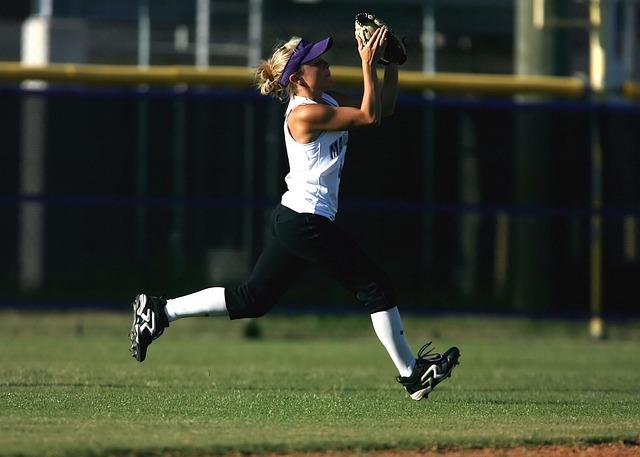
The National Federation of State High School Associations (NFHS) has released its latest report on high school athletics participation for the 2024-25 school year, highlighting shifting trends across the country. As schools continue to navigate changing student interests, budget constraints, and evolving societal dynamics, the new data reveals insightful patterns in athlete engagement across a variety of sports. This article delves into the key findings from NFHS.org, examining which sports are gaining momentum, which face declining numbers, and what these trends could mean for the future of high school athletics in the United States.
High School Sports Participation Shows Shifts in Popularity and Diversity
Recent data reveals notable shifts in high school athletics, reflecting an evolving landscape marked by both rising interest in non-traditional sports and increased inclusivity across demographics. While traditional staples like football and basketball maintain strong participation numbers, emerging sports such as esports and lacrosse are gaining traction rapidly, signaling a diversification of student-athlete preferences. This trend underscores a broader cultural embrace of varied athletic pursuits beyond conventional team sports.
Additionally, the demographic composition of participants illustrates a gradual but meaningful increase in diversity. Schools nationwide report higher engagement among female athletes and students from underrepresented backgrounds, supported by targeted outreach and enhanced scholarship programs. The following table highlights participation growth rates by sport and gender over the past year:
| Sport | Male Participation Change | Female Participation Change |
|---|---|---|
| Football | -1.2% | +0.8% |
| Basketball | +0.3% | +1.5% |
| Lacrosse | +5.7% | +7.2% |
| Esports | +12.4% | +10.1% |
| Soccer | +2.1% | +3.3% |
- Esports marks the largest growth sector, driven by digital natives embracing competitive gaming.
- Lacrosse continues its regional expansion, with female participation notably outpacing male growth.
- Traditional sports like football show minor declines in male participation but gains among female athletes, indicating shifting gender dynamics.
Analysis Reveals Impact of Socioeconomic Factors on Athlete Engagement
Recent data underscores a strong correlation between socioeconomic factors and levels of athlete engagement in high school sports across the United States. Schools located in higher-income districts reported increased participation rates, particularly in sports requiring specialized equipment or club fees, such as lacrosse and swimming. Conversely, institutions in lower-income areas faced challenges including limited access to facilities, fewer coaching staff, and budget constraints, all contributing to decreased involvement. This disparity suggests that resource availability continues to be a significant barrier for many potential athletes despite widespread interest and enthusiasm.
Key socioeconomic influences identified include:
- Household income: Higher disposable income supports participation in travel teams and private coaching.
- School funding: Directly impacts quality of athletic programs and facility maintenance.
- Community support: Engagement levels often rise in areas with strong local booster clubs and sponsorships.
- Transportation access: A critical factor for students in rural or underserved districts.
| Income Bracket | Average Participation Rate | Most Popular Sport |
|---|---|---|
| Above $100K | 68% | Lacrosse |
| $50K – $100K | 54% | Basketball |
| Below $50K | 39% | Football |
These findings highlight the need for targeted investment and policy measures to ensure equitable opportunities for student-athletes nationwide. Enhancing access to equipment, coaching, and transportation could help balance participation trends and strengthen high school athletics as an inclusive platform for youth development.
Emerging Trends Highlight Growth in Girls and Adaptive Sports
Recent data reveals a significant surge in participation among female athletes and students engaging in adaptive sports programs. This upward momentum highlights the growing inclusivity and recognition of diverse athletic opportunities at the high school level. Girls’ sports such as soccer, volleyball, and lacrosse have seen increased enrollment, driven by enhanced community support and expanded school resources. These gains not only reflect changing cultural attitudes but also increased efforts to provide equitable access across school districts nationwide.
Adaptive sports have gained remarkable traction, offering customized competitive environments for athletes with disabilities. Schools are investing in specialized equipment and training to accommodate a broader range of participants, fostering an inclusive atmosphere that champions both physical activity and empowerment. The table below illustrates key participation shifts from the previous year, underscoring this encouraging trend.
| Category | 2023-24 Participants | 2024-25 Participants | Growth (%) |
|---|---|---|---|
| Girls’ Soccer | 375,000 | 400,500 | 6.8% |
| Girls’ Volleyball | 320,000 | 341,200 | 6.6% |
| Adaptive Track & Field | 15,800 | 19,400 | 22.8% |
| Adaptive Basketball | 9,600 | 12,300 | 28.1% |
- Increased school funding dedicated to girls and adaptive sports programs.
- Community partnerships enhancing access to facilities and coaching.
- Greater visibility through tournaments and media coverage promoting participation.
Recommendations for Schools to Foster Inclusive and Sustainable Athletics Programs
Schools can play a pivotal role in creating athletics programs that welcome all students while promoting long-term ecological responsibility. Implementing policies that prioritize accessibility-such as adaptive sports offerings and financial aid for equipment-helps lower barriers to participation. Encouraging diverse sport options beyond traditional team athletics fosters inclusion by appealing to varied interests and abilities. Additionally, integrating sustainability practices into event planning and facility management can significantly reduce the environmental footprint of school athletics.
Key strategies to consider:
- Invest in multi-use, eco-friendly facilities to support various sports and reduce construction waste.
- Adopt uniform recycling programs and encourage the use of sustainable materials for apparel and gear.
- Partner with local organizations to provide training on inclusivity and environmental stewardship.
- Create mentorship programs that connect veteran athletes with newcomers to build community and support diversity.
| Initiative | Benefit | Impact |
|---|---|---|
| Adaptive Sports Equipment | Enables participation for all abilities | Increased inclusivity |
| Solar-Powered Facilities | Lower energy costs, eco-friendly | Reduced carbon footprint |
| Inclusive Coaching Training | Greater awareness and support | Enhanced athlete experience |
| Recycling Apparel Drives | Promotes sustainable consumption | Less waste, community engagement |
Final Thoughts
As the 2024-25 high school athletics season progresses, the latest participation data from NFHS.org offers valuable insights into evolving trends across the nation. Stakeholders, from coaches to policymakers, will closely monitor these shifts to better support student-athletes and foster inclusive, competitive programs. Continued analysis will be essential to understanding the factors driving increases or declines and shaping the future of high school sports in America.