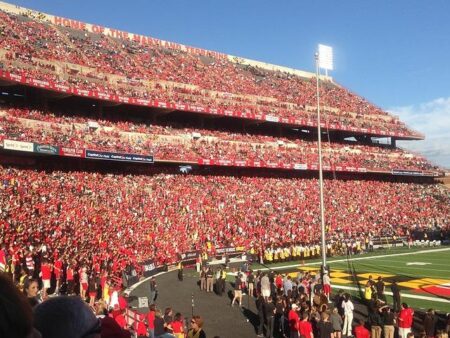

The landmark settlement in the Historic House v. NCAA case has received final approval, marking a pivotal shift in collegiate sports. This decision permits colleges and universities to compensate college athletes, upending long-standing NCAA policies that prohibited direct payment to student-athletes. The ruling is expected to reshape the landscape of college athletics, as schools navigate new regulations allowing financial remuneration, sparking widespread debate about the future of amateurism in college sports.
Historic House v NCAA Settlement Gains Final Judicial Approval
The long-running dispute between student-athletes and the NCAA reached a pivotal moment as the settlement in Historic House v. NCAA received final judicial approval this week. This landmark decision now permits universities to directly compensate college athletes beyond scholarships, marking a seismic shift in collegiate sports governance. The settlement not only addresses decades of contention over athlete compensation but also lays the groundwork for increased financial opportunities, including endorsements and stipends, that were previously barred under NCAA rules.
Key components of the settlement include:
- Direct payments: Athletes can receive monetary compensation from their schools for their participation and likeness.
- Enhanced benefits: Access to improved health insurance, nutritional support, and educational programs.
- Transparency measures: Schools must report all payments and benefits to ensure compliance.
| Stakeholder | Impact |
|---|---|
| Student-Athletes | Receive direct payments and endorsements |
| Colleges & Universities | Gain flexibility in athlete compensation |
| NCAA | Must enforce compliance & transparency |
Implications for College Athletics and Athlete Compensation Models
The landmark settlement marks a fundamental transformation in the landscape of college sports, dismantling long-standing barriers that prevented athletes from profiting off their own name, image, and likeness (NIL). For the first time, universities across the nation can legally compensate athletes beyond traditional scholarships, prompting a wave of innovation in compensation structures. Schools are now exploring diverse models, ranging from direct payments and endorsement deals to revenue-sharing programs that promise to elevate the financial wellbeing of student-athletes without compromising their academic pursuits.
Key ramifications include:
- Heightened competition among universities to attract top talent through creative financial packages
- Development of compliance frameworks to regulate athlete earnings and maintain fair play
- Shifts in recruiting strategies, as monetary incentives become a central factor
- Opportunities for local and national businesses to invest in college sports partnerships
| Compensation Model | Description | Potential Impact |
|---|---|---|
| Direct Payments | Fixed stipends or salaries paid by universities | Financial stability and recruitment leverage |
| Endorsement Deals | Agreements with brands and sponsors outside of school oversight | Personal brand growth and income diversification |
| Revenue Sharing | Portion of ticket sales or merchandise revenue allocated to athletes | Alignment of athlete and institutional success |
| Revenue Sharing | Portion of ticket sales or merchandise revenue allocated to athletes | Alignment of athlete and institutional success |
Let me know if you need help with anything else!
Legal and Financial Challenges Facing Universities Post-Settlement
Universities now face a complex web of legal and financial considerations as they navigate the post-settlement landscape. With the approval of the Historic House v. NCAA settlement, schools are legally authorized to compensate college athletes, but this shift brings significant regulatory challenges. Institutions must carefully balance compliance with varied state laws, NCAA guidelines, and potential antitrust concerns. Legal departments are bracing for increased litigation risk related to contract disputes, endorsements, and Name, Image, and Likeness (NIL) agreements, prompting schools to invest in specialized legal expertise and robust compliance infrastructure.
Financially, universities are confronted with restructured budget priorities and the need for transparent oversight mechanisms. The infusion of athlete compensation requires precise accounting and auditing processes to avoid mismanagement or misuse of funds. Administrators are also exploring innovative revenue-sharing models and partnerships with third-party marketing firms to monetize athlete brands effectively. The following table summarizes key financial and legal hurdles schools anticipate in the settlement’s aftermath:
| Challenge | Description | Impact |
|---|---|---|
| Compliance Complexity | Navigating state-by-state NIL regulations | High legal resource allocation |
| Financial Auditing | Implementing transparent payment systems | Increased administrative costs |
| Litigation Risk | Potential disputes over contracts & endorsements | Heightened legal exposure |
| Revenue Models | Developing sustainable athlete compensation frameworks | Long-term financial planning required |
Recommendations for Schools Navigating New Payment Policies
Schools must adopt a proactive stance to effectively manage the complexities introduced by the NCAA settlement. First, it is critical to establish clear compliance frameworks that respect both the new payment policies and existing institutional regulations. Administrators should prioritize transparency in communicating payment processes to athletes and stakeholders while ensuring robust financial oversight mechanisms are in place. This includes crafting tailored agreements that detail permissible compensation forms, aligning with evolving legal standards and NCAA guidelines.
Moreover, institutions should invest in comprehensive education programs aimed at both staff and student-athletes to navigate this transition smoothly. Understanding the distinctions between name, image, and likeness (NIL) rights versus direct payments is essential. Schools can also benefit from forging partnerships with financial advisors and legal experts to monitor and respond to ongoing regulatory developments. The table below outlines key focus areas schools should emphasize during implementation:
| Focus Area | Key Actions |
|---|---|
| Compliance | Develop clear policies, regular audits |
| Communication | Transparent disclosure, stakeholder meetings |
| Education | Workshops, Q&A sessions for athletes/staff |
| Financial Oversight | Partner with financial/legal consultants |
To Conclude
The final approval of the Historic House v. NCAA settlement marks a significant turning point in college sports, permitting schools to compensate athletes beyond traditional scholarships. This landmark decision is expected to reshape the collegiate athletic landscape, offering student-athletes new financial opportunities while prompting ongoing discussions about fairness, revenue distribution, and the future of amateurism in college athletics. As institutions begin to navigate this new era, all eyes will remain on how this settlement influences recruitment, competition, and the broader dynamics of college sports nationwide.