


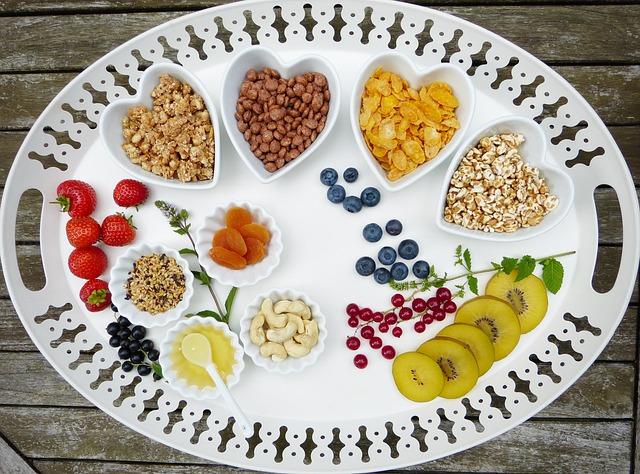
Emerging research suggests that the high-carbohydrate diets commonly recommended in sports nutrition may have unintended consequences for long-term health. While carb-heavy meal plans are a staple for athletes seeking energy and performance gains, new studies indicate these dietary patterns could be quietly accelerating the aging process. As endurance athletes and fitness enthusiasts increasingly adopt high-carb regimens, experts warn it’s time to reexamine the potential trade-offs between immediate athletic benefits and longevity. This developing story shines a spotlight on the complex relationship between sports nutrition and aging, challenging long-held dietary conventions within the athletic community.
The Hidden Risks of High-Carb Diets in Athletic Performance
While carbohydrates have long been championed as the cornerstone of endurance and strength training, emerging evidence suggests that an excessive reliance on high-carb diets could be quietly undermining long-term athletic health. High carbohydrate intake stimulates repeated insulin spikes, which over time can increase oxidative stress and inflammation in muscle cells. These biochemical reactions accelerate cellular aging and potentially impair recovery rates, paradoxically diminishing the very performance that athletes seek to enhance. Furthermore, excessive carb consumption has been linked to increased production of advanced glycation end products (AGEs), compounds known to stiffen connective tissue and contribute to premature joint wear and tear.
Athletes should be wary of the hidden metabolic toll of carb-heavy menus and consider more balanced macro distributions to mitigate these risks. Below is a quick reference highlighting the physiological impacts linked to chronic high-carb diets in competitive sports:
| Impact | Effect on Performance | Long-Term Risk |
|---|---|---|
| Insulin Spikes | Reduced muscle insulin sensitivity | Increased risk of metabolic syndrome |
| Oxidative Stress | Slower recovery | Accelerated cellular aging |
| AGEs Formation | Impaired tissue flexibility | Premature joint degeneration |
Reconsidering carbohydrate intake alongside protein and healthy fats may hold the key to sustaining peak performance without sacrificing long-term health. Coaches and athletes alike must stay informed, balancing immediate energy needs with the demands of longevity in their careers.
How Excessive Carbohydrates Might Impact Cellular Aging
Emerging research highlights the hidden consequences of a diet overloaded with carbohydrates, particularly refined sugars common in many high-carb sports nutrition plans. When consumed in excess, glucose molecules attach to proteins and lipids through a process called glycation. This leads to the formation of advanced glycation end products (AGEs), which accumulate inside cells and tissues, impairing their function and accelerating cellular wear and tear. The oxidative stress from AGEs also damages DNA and mitochondria, key players in maintaining cellular vitality and longevity.
Several factors illustrate the chain reaction triggered by excessive carbs:
- Increased inflammation disrupts normal cellular repair mechanisms.
- Impaired autophagy causes the buildup of dysfunctional proteins.
- Shortened telomeres, the protective caps on chromosomes, are linked to faster cellular aging.
| Cellular Impact | Result |
|---|---|
| AGEs Accumulation | Protein Dysfunction & Tissue Stiffness |
| Oxidative Stress | DNA & Mitochondrial Damage |
| Inflammation | Impaired Cellular Repair |
| Telomere Shortening | Accelerated Cellular Senescence |
Balancing Energy Needs Without Compromising Longevity
Maintaining peak athletic performance often pushes men towards high-carb diets designed to rapidly replenish glycogen stores and fuel intense workouts. However, emerging research suggests this strategy could inadvertently accelerate biological aging. The constant influx of simple carbohydrates may increase oxidative stress and inflammation, undermining cellular repair mechanisms critical for longevity. To navigate this complex terrain, athletes must prioritize *quality over quantity* when it comes to their energy sources.
- Incorporate complex carbohydrates: Opt for whole grains, legumes, and vegetables that provide steady energy without spiking blood sugar levels.
- Balance macronutrients: Integrate healthy fats and lean proteins to support tissue repair and hormone balance.
- Timing is crucial: Consume carbs strategically around training sessions to maximize energy without overloading metabolic pathways.
| Energy Source | Impact on Aging | Best Use |
|---|---|---|
| Simple Carbs | Increases inflammation | Post-workout replenishment |
| Complex Carbs | Promotes steady energy | Pre & post-workout meals |
| Healthy Fats | Supports cellular repair | Daily energy maintenance |
Expert Strategies for Optimizing Sports Nutrition and Healthy Aging
Increasing evidence suggests that traditional high-carbohydrate diets, often popular among athletes, might be a double-edged sword when it comes to longevity and cellular health. While carbs fuel performance, excess consumption can exacerbate inflammation and oxidative stress, potentially accelerating biological aging. Experts now urge a balanced macronutrient approach, emphasizing quality over quantity. Incorporating nutrient-dense proteins, healthy fats, and antioxidant-rich foods can help mitigate these risks without compromising athletic output. This strategy not only supports muscle recovery and energy systems but may also preserve telomere length, a key biomarker of aging.
For athletes seeking healthy aging without sacrificing performance, consider integrating these targeted nutritional shifts:
- Time-restricted feeding to optimize metabolic flexibility and reduce systemic inflammation.
- Lower glycemic index carbohydrates paired with fiber to stabilize blood sugar and improve gut health.
- Omega-3 fatty acids to combat exercise-induced inflammation and promote cardiovascular health.
- Polyphenol-rich foods like berries and dark chocolate as potent anti-aging allies.
| Nutrition Focus | Impact on Aging | Performance Benefit |
|---|---|---|
| Protein Timing | Supports muscle regeneration + telomere maintenance | Improved recovery and strength |
| Healthy Fats | Reduces chronic inflammation markers | Enhanced joint health and endurance |
| Carb Quality | Prevents glycation and oxidative damage | Sustained energy release |
Wrapping Up
As research continues to explore the complex relationship between diet, athletic performance, and long-term health, the emerging evidence on high-carb sports nutrition raises important questions for athletes and fitness enthusiasts alike. While carbohydrates remain a critical fuel source, understanding their potential impact on the aging process is essential for making informed dietary choices. Future studies will be key in unraveling how to optimize nutrition for both performance and longevity, ensuring that the pursuit of athletic excellence does not come at the cost of accelerated aging.