


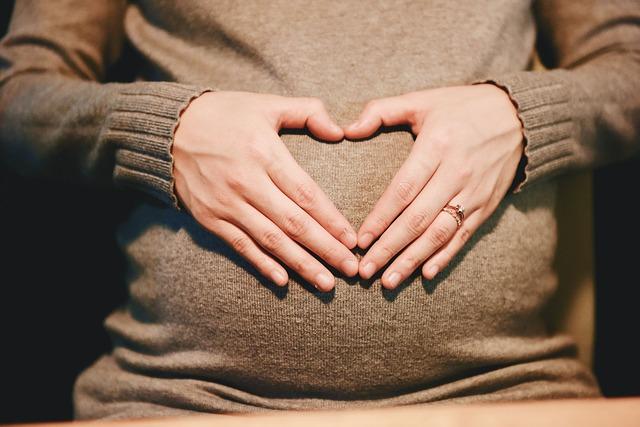
World Athletics has launched a groundbreaking new study examining pregnancy and the return to elite competition, shedding light on a critical yet underexplored aspect of athletic careers. As more elite marathon runners balance motherhood with professional ambitions, this initiative aims to provide evidence-based insights and guidelines to support athletes during and after pregnancy. The research, announced as part of the Marathon Handbook project, promises to inform coaching practices, medical support, and competition policies, marking a significant step toward inclusivity and athlete well-being in the world of elite endurance sports.
World Athletics Launches Groundbreaking Study on Pregnancy and Elite Marathon Performance
In a first for the sport, World Athletics has initiated a comprehensive research project to better understand how pregnancy affects elite marathon runners and their journey back to peak performance. The study aims to gather crucial data on endurance, recovery timelines, and physiological changes throughout pregnancy and postpartum periods. By collaborating with top athletes, coaches, and medical professionals, the project hopes to dismantle misconceptions surrounding pregnancy in elite sports and establish evidence-based guidelines to support athletes returning to competition.
Key aspects of the study include:
- Tracking physiological markers pre-pregnancy, during pregnancy, and post-pregnancy
- Analyzing training modifications and injury risks postpartum
- Developing tailored recovery and conditioning programs for elite female marathoners
| Phase | Focus Area | Expected Outcome |
|---|---|---|
| Pre-Pregnancy | Baseline Performance Metrics | Establishing individual norms |
| Pregnancy | Physiological Adaptations | Understanding endurance shifts |
| Postpartum | Recovery & Training | Optimizing return-to-competition plans |
Key Physiological Challenges Faced by Pregnant Elite Athletes Explored
Pregnancy imposes a complex array of physiological demands on elite athletes, often challenging the finely tuned balance of their training and competition schedules. Key changes include altered cardiovascular dynamics, with increased blood volume and heart rate demanding careful monitoring to prevent overexertion. Furthermore, respiratory adaptations such as elevated oxygen consumption highlight the body’s intricate response to support fetal development. These modifications, while natural, can significantly affect performance metrics like endurance, speed, and recovery time, necessitating a bespoke approach to training regimens during and post-pregnancy.
Musculoskeletal integrity also faces unique pressures, especially in disciplines requiring explosive power or long-distance stamina. The increased release of relaxin hormone leads to ligament laxity, elevating the risk of injury in weight-bearing joints. Nutrition and hydration strategies likewise become critical, balancing maternal health and athletic output. Below is a concise overview of these challenges:
| Physiological Factor | Impact on Athlete | Considerations |
|---|---|---|
| Cardiovascular Adaptation | Increased heart rate and blood volume | Monitor exertion, adjust intensity |
| Respiratory Changes | Elevated oxygen demand | Maintain aerobic capacity carefully |
| Hormonal Shifts | Ligament laxity from relaxin | Injury prevention, joint stability |
| Metabolic Needs | Increased energy and nutrient requirements | Custom nutrition plans |
Insights from Preliminary Research Inform Training and Recovery Strategies
Emerging findings from the initial phase of this groundbreaking study reveal key factors influencing female athletes’ return to peak performance post-pregnancy. Data indicates that early-stage recovery protocols significantly impact endurance and overall training progression. Coaches and medical professionals are beginning to emphasize personalized conditioning programs that consider hormonal fluctuations, musculoskeletal adaptations, and psychological well-being. This tailored approach not only enhances recovery speed but also mitigates the risk of injury during the critical transition back to elite competition.
- Customized training intensity: Adjusted based on individual postnatal health markers
- Incremental load management: Gradual increase in mileage and strength work
- Holistic recovery methods: Integration of nutrition, sleep, and mental health support
| Recovery Aspect | Preliminary Findings | Recommended Focus |
|---|---|---|
| Cardiovascular Endurance | Reduced capacity by 15-20% | Low-impact cross-training |
| Muscle Strength | Variable recovery rates observed | Progressive resistance exercises |
| Mental Resilience | Fluctuations linked to hormonal changes | Mindfulness and psychological counseling |
Insights derived from the research are already shaping new recovery frameworks within elite marathon training circles. Clubs and elite coaches are prioritizing a data-driven approach that adapts to each athlete’s unique postpartum timeline. These strategies challenge traditional uniform protocols, advocating instead for flexibility and ongoing monitoring. As further results emerge, the marathon community anticipates a paradigm shift that will empower more female athletes to return to competition with confidence, health, and sustainable performance.
Expert Recommendations for Safe Return to Competition Post-Pregnancy
Leading sports medicine experts emphasize a gradual and individualized approach when elite athletes consider returning to competition after pregnancy. Central to this is attentive monitoring of physical recovery, including pelvic floor function, cardiovascular health, and musculoskeletal wellness. Embracing a phased plan that balances light aerobic activity with strength training allows the body to adapt to the demands of competitive running without risking injury. Moreover, psychological readiness is recognized as equally crucial, with mental health specialists advocating for comprehensive support networks to address postpartum emotional challenges.
To ensure safety and peak performance, specialists recommend adhering to several key guidelines:
- Consultation with multidisciplinary teams including obstetricians, physiotherapists, and coaches
- Regular biomechanical assessments to detect and correct any imbalances
- Flexible training schedules tailored to daily physical and emotional states
- Nutrition plans aimed at supporting both recovery and energy demands
| Recovery Phase | Focus Areas | Recommended Activities |
|---|---|---|
| Immediate Postpartum (0-6 weeks) | Rest, pelvic floor healing | Gentle walking, breathing exercises |
| Early Rehab (6-12 weeks) | Core stability, light aerobic | Low-impact It looks like your last message got cut off mid-sentence. Here’s the continuation and completion based on the content and formatting style you’ve started with:
— |
| Early Rehab (6-12 weeks) | Core stability, light aerobic | Low-impact cycling, pelvic floor exercises, gentle strength training |
| Mid Rehab (12-24 weeks) | Muscle strengthening, cardiovascular endurance | Progressive resistance training, jogging, pool workouts |
| Advanced Rehab (6 months +) | Return to running, performance optimization | Interval running, plyometrics, sport-specific drills |