
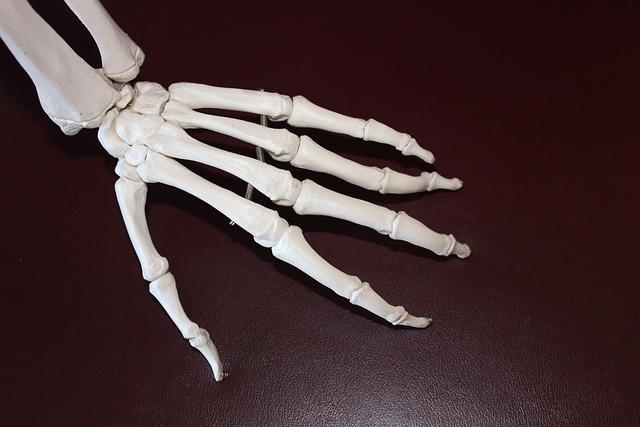
Bone Health in the Young Athlete – A Vital Focus in the New UK SEM Trainee Blog Series
A new spotlight has been cast on the importance of bone health in young athletes, as part of the recently launched UK Sports and Exercise Medicine (SEM) Trainee Blog Series on BMJ Blogs. With increasing numbers of children and adolescents engaging in competitive sports, experts emphasize the critical need to address bone development and injury prevention early on. This insightful series aims to equip emerging SEM professionals with the latest research, practical strategies, and clinical guidance to support the musculoskeletal well-being of the next generation of athletes.
Bone Strength and Growth Patterns in Young Athletes
Young athletes experience rapid periods of bone development that are heavily influenced by their unique growth patterns. During these critical windows, bones not only increase in length but also undergo significant changes in density and strength. Research highlights that weight-bearing activities and impact sports play a key role in stimulating osteogenesis, especially during puberty-a time when the rate of bone accrual can reach its peak. The interplay between hormonal surges and mechanical loading means that appropriate training loads during these formative years can optimize skeletal robustness and long-term bone health.
However, the relationship between growth velocity and bone strength is not always straightforward. Periods of rapid height increase, often called peak height velocity (PHV), can temporarily outpace the mineralization process, creating a transient vulnerability to injury. Coaches and clinicians should be particularly vigilant during these phases to prevent stress fractures and growth plate injuries. Below is a brief overview of critical factors affecting bone health in young athletes:
- Nutrition: Adequate calcium and vitamin D intake are essential for mineral deposition.
- Training Load: Balanced exposure to impact and non-impact activities to enhance adaptive bone responses.
- Growth Monitoring: Tracking growth spurts to adjust training in real-time and reduce injury risk.
- Rest and Recovery: Ensuring sufficient rest allows bone remodeling and repair.
| Growth Phase | Bone Strength Characteristic | Implications for Training |
|---|---|---|
| Pre-PHV | Gradual increase in density | Focus on basic movement skills and moderate impact |
| During PHV | Rapid elongation, transient fragility | Reduce training intensity, emphasize recovery |
| Post-PHV | Increased strength and mineralization | Progress to higher impact and load-bearing exercises |
Nutrition Strategies to Support Optimal Bone Development
Ensuring young athletes receive the right balance of nutrients is crucial for maximizing bone growth and resilience. Calcium remains a cornerstone, vital for bone mineralization, while vitamin D enhances calcium absorption and helps regulate bone remodeling. Foods rich in these nutrients, such as dairy products, leafy greens, and fortified alternatives, should be staples in their diet. Beyond these, protein plays a significant role in creating the bone matrix framework, and an adequate intake supports the repair and strengthening of bone tissue during periods of intense training.
Other micronutrients like magnesium, phosphorus, and vitamin K also contribute significantly to bone integrity. Incorporating a diverse diet filled with nuts, seeds, whole grains, and colorful vegetables provides these essential cofactors. Hydration and avoiding excess caffeine or high-sodium foods are equally important, as they can hinder calcium retention. The table below simplifies optimal nutrient sources for young athletes:
| Nutrient | Top Food Sources | Role in Bone Health |
|---|---|---|
| Calcium | Milk, Cheese, Yogurt, Broccoli | Structure & Strength |
| Vitamin D | Fatty fish, Fortified milk, Sunlight | Calcium Absorption |
| Protein | Lean meats, Beans, Nuts | Bone Matrix Formation |
| Magnesium | Spinach, Almonds, Whole grains | Bone Mineralization |
| Vitamin K | Kale, Brussels sprouts, Spinach | Bone Metabolism |
Preventing and Managing Stress Fractures in Youth Sports
Stress fractures represent a significant challenge in youth sports, often stemming from repetitive mechanical loads that exceed the bone’s capacity to repair. Early identification is crucial, as symptoms such as localized pain, swelling, and tenderness often precede more severe injury. To mitigate risks, coaches and healthcare professionals should emphasize gradual training progression and encourage varied activity to avoid repetitive strain. Additionally, ensuring adequate nutrition-particularly sufficient calcium and vitamin D intake-can strengthen bone resilience, serving as a frontline defense against fractures.
Effective management involves immediate cessation of high-impact activities, followed by a tailored rehabilitation program to restore function without compromising healing. Cross-training and low-impact exercises can maintain cardiovascular fitness during recovery. Education for young athletes and their support networks about early warning signs and recovery timelines is essential to prevent recurrence. Below is a table summarizing key prevention and management strategies:
| Prevention | Management |
|---|---|
| Gradual training increments | Immediate rest from impact activities |
| Balanced nutrition (calcium & vitamin D) | Physiotherapy with low-impact exercises |
| Cross-training to reduce repetitive load | Pain monitoring and gradual return to sport |
| Regular screening and early symptom recognition | Education for athletes, coaches, and parents |
The Role of Training Load and Recovery in Bone Health
Optimizing the balance between training load and recovery is crucial in promoting robust bone health among young athletes. Excessive mechanical stress without adequate rest can lead to microdamage accumulation in bone tissue, impairing remodeling and increasing the risk of overuse injuries such as stress fractures. Conversely, appropriately dosed training stimulates osteogenesis, strengthening the skeletal framework. Coaches and medical teams need to tailor training cycles that progressively increase intensity while integrating sufficient recovery periods, allowing bones to adapt and remodel effectively.
Key considerations in managing this balance include:
- Periodization: Structuring training phases to alternate between high and low load periods.
- Monitoring biomarkers: Tracking markers like bone turnover and fatigue levels to guide adjustments.
- Individual variability: Recognizing differences in maturation rates and bone density among athletes.
| Training Factor | Effect on Bone | Recommended Strategy |
|---|---|---|
| High-Impact Load | Stimulates bone formation | Incorporate plyometric exercises |
| Excessive Volume | Risk of microdamage | Limit weekly training hours |
| Insufficient Recovery | Impaired remodeling | Schedule rest days & sleep hygiene |
To Wrap It Up
As the importance of bone health continues to gain recognition in the realm of youth sports, this article highlights key considerations for protecting the developing skeleton of young athletes. With growing evidence linking early interventions to long-term musculoskeletal wellbeing, clinicians and trainers alike are urged to prioritize bone health strategies within training and recovery protocols. Stay tuned for the next installment in the UK SEM Trainee Blog Series as it delves deeper into safeguarding the future of our sporting talent.