
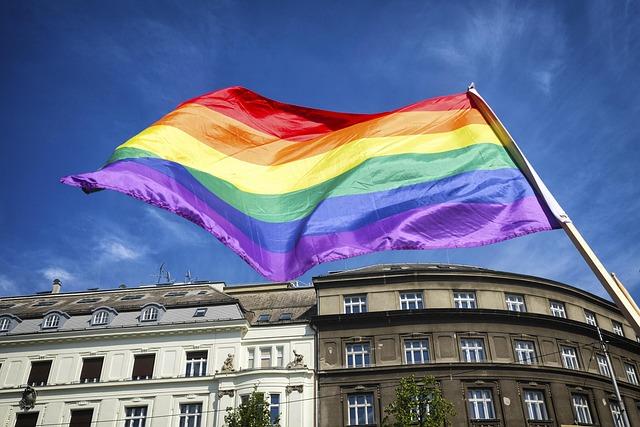
In a landmark ruling that has stirred intense debate across the nation, the recent decision on transgender athletes in sports goes beyond legal interpretation, touching on fundamental questions about identity, fairness, and the evolving nature of competition. While much of the public discourse has focused on the legal frameworks and policies governing athletic participation, this case reveals deeper societal tensions and values at play. This article explores how the court’s verdict reflects broader cultural dynamics and the complex intersection of law, science, and human rights in contemporary sports.
The Legal Debate Masks Broader Cultural Conflicts
While legal arguments dominated headlines, the controversy surrounding transgender participation in sports exposes a profound cultural divide that goes beyond statutory interpretation. At its core, the debate encapsulates competing visions of identity, fairness, and community values. For many, policies restricting transgender athletes are less about sportsmanship and more about preserving traditional social norms that are being rapidly questioned in a broader societal shift.
Key issues fueling the cultural friction include:
- Gender identity vs. biological sex: How society defines and validates these concepts remains contentious.
- Generational perspectives: Younger generations often advocate inclusivity, contrasting with older populations maintaining conventional views.
- Political polarization: Transgender rights have become a symbol in a larger culture war, complicating rational discourse.
| Aspect | Traditional View | Progressive View |
|---|---|---|
| Gender Definition | Biological & fixed | Fluid & self-identified |
| Sports Fairness | Physical advantage matters | Inclusion & equal opportunity |
| Role of Government | Regulation to maintain norms | Protection of marginalized groups |
Understanding the Impact on Transgender Athletes Beyond Legislation
Beyond the confines of legal frameworks, the discourse surrounding transgender athletes taps into profound societal questions about identity, fairness, and belonging. The conversation often transcends mere regulatory language, reflecting cultural anxieties and evolving perceptions of gender. These athletes face unique pressures-not only from competition but also from the spotlight cast by public opinion, media narratives, and politicization of their participation. Their experiences highlight how policies intersect with deeply held values and how the sporting arena serves as a mirror for broader social dynamics.
Key challenges faced by transgender athletes include:
- Balancing competitive equity with inclusivity
- Managing public scrutiny and polarized debates
- Negotiating personal identity within institutional structures
These complexities demand a nuanced approach that goes beyond simplistic legal rulings. Consider the following overview of factors influencing transgender athletes’ experiences:
| Factor | Description | Impact |
|---|---|---|
| Physiological Considerations | Biological differences and hormone treatments | Influences competitive balance debates |
| Social Acceptance | Community support or backlash | Affects mental health and athlete retention |
| Institutional Policies | Rules set by governing bodies and schools | Shapes eligibility and participation opportunities |
Examining the Role of Identity and Fairness in Sports
At the heart of the debate lies a complex interplay between personal identity and the foundational principles of competitive sports. While legal frameworks often focus on rights and protections, the discussion around transgender athletes transcends legislation, delving deep into cultural understandings of fairness, gender norms, and what it means to compete on a level playing field. This tension exposes societal struggles to balance inclusivity with preserving the integrity of competitive categories built around biological differences.
Critical to this discourse are several nuanced factors that often remain overlooked:
- Physiological considerations: How biological variations impact performance and whether policies can account for those differences fairly.
- Identity acknowledgment: The importance of recognizing and respecting athletes’ gender identities while crafting meaningful participation guidelines.
- Competitive equity: Ensuring no group gains an unintended advantage while avoiding exclusionary practices.
| Aspect | Challenges | Considerations |
|---|---|---|
| Physical Performance | Variability in strength and endurance | Standardizing fair criteria |
| Social Acceptance | Balancing respect and competition | Inclusive policies |
| Regulatory Frameworks | Legal vs. cultural tensions | Adaptable rules |
Recommendations for Inclusive Policies That Balance Equity and Competition
Crafting policies that genuinely uphold both equity and competition in sports demands a nuanced approach rooted in empathy and evidence. Stakeholders must prioritize:
- Comprehensive scientific research to understand physiological differences without bias.
- Inclusive dialogue with the transgender community, athletes, and governing bodies.
- Flexible frameworks that accommodate individual circumstances rather than blanket mandates.
- Regular policy reviews to adapt to emerging data and societal shifts.
Such frameworks necessitate transparency and consistency, ensuring that opportunities on the field do not come at the expense of dignity off it. Balancing fairness requires that competitive integrity is maintained without turning sports into a battleground for ideological disputes. This delicate equilibrium can be supported by clear metrics – both physiological and social – which enable decision-makers to implement policies that respect all athletes’ rights while preserving the spirit of competition.
| Policy Element | Key Objective | Implementation Example |
|---|---|---|
| Scientific Evidence | Inform fair eligibility rules | Hormonal level monitoring |
| Community Engagement | Ensure representation and voice | Public consultations & forums |
| Flexibility | Adapt to individual athlete needs | Case-by-case eligibility reviews |
| Transparency | Build trust in decision-making | Published policy rationales |
The Conclusion
In navigating the complex terrain of transgender participation in sports, the recent decision reveals tensions that extend well beyond legal arguments. It underscores deeper societal debates surrounding identity, fairness, and inclusion-issues that continue to challenge policymakers, athletes, and communities alike. As this conversation evolves, it remains clear that the implications of the ruling will resonate far beyond the courtroom, shaping the future of sports and civil rights in profound ways.