
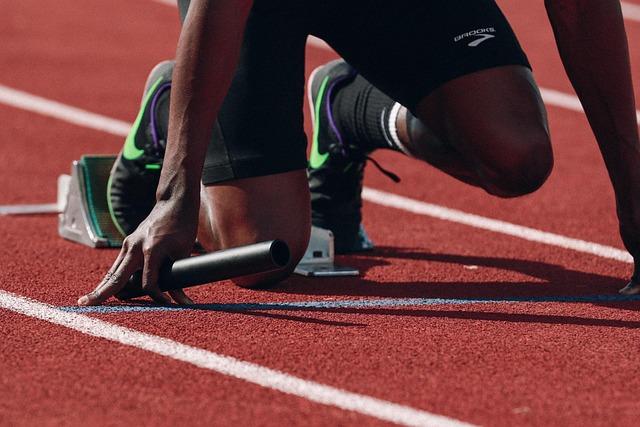
Irish sprint sensation Rhasidat Adeleke has confirmed she will not be participating in the upcoming World Athletics Relays scheduled to take place in Botswana this May. The decision marks a notable absence for Ireland’s relay team as they prepare for one of the key events on the international athletics calendar. Details surrounding Adeleke’s withdrawal have yet to be fully disclosed, raising questions about the potential impact on the team’s performance and prospects ahead of the relays.
Rhasidat Adeleke’s Decision to Skip World Athletics Relays Spurs Debate on Athlete Priorities
Rhasidat Adeleke’s decision to forego the World Athletics Relays scheduled in Botswana this May has ignited considerable discussion within the athletics community. Many see the move as a reflection of a growing trend among elite athletes to carefully manage their competition schedules, prioritizing personal health, long-term career goals, and focused preparation over immediate international representation. Adeleke’s stance highlights the delicate balance athletes must strike between national expectations and individual ambitions.
Key points raised by observers include:
- The importance of strategic rest periods in preventing injuries and ensuring peak performance at major events.
- Potential impact on team dynamics and relay performance ahead of the upcoming World Championships.
- Broader implications for the role of relay events in an athlete’s yearly competition calendar.
| Athlete | Event | Status | Implications |
|---|---|---|---|
| Rhasidat Adeleke | 4x400m Relay | Withdrawn | Focus on recovery and training |
| Irish Relay Team | 4x400m Relay | Competing | Adjust team strategy |
| Other Key Athletes | Various | Competing | Maintain peak performance |
Impact of Adeleke’s Withdrawal on Ireland’s Relay Team Prospects in Botswana
The absence of Rhasidat Adeleke from the upcoming World Athletics Relays in Botswana has cast uncertainty on Ireland’s medal ambitions. As one of the team’s fastest sprinters and a key relay squad member, Adeleke’s decision disrupts the carefully crafted baton exchange dynamics and race strategy. Coaches will now be forced to recalibrate lineup formations and consider less experienced athletes to fill the void, a move that could impact overall team cohesion and split-second exchanges critical in relay success.
Key implications of Adeleke’s withdrawal include:
- Reduced sprinting depth, affecting acceleration phases.
- Increased pressure on remaining athletes to deliver flawless baton handoffs.
- Potential adjustments in training schedules leading up to the race.
Below is a snapshot comparison of Ireland’s relay team composition before and after Adeleke’s withdrawal:
| Role | Before Withdrawal | After Withdrawal |
|---|---|---|
| Lead Runner | Rhasidat Adeleke | Emerging Sprinter A |
| Second Leg | Established Sprinter B | Established Sprinter B |
| Third Leg | Experienced Relay Member C | Experienced Relay Member C |
| Anchor | Top National Sprinter D | Top National Sprinter D |
Expert Analysis of Injury Prevention and Strategic Rest in Elite Sprinting
In the fiercely competitive world of elite sprinting, managing the physical demands on athletes like Rhasidat Adeleke is paramount. Experts emphasize that strategic rest serves as a critical tool in minimizing injury risks and optimizing peak performance windows throughout the season. The physiological strain from repeated high-intensity training sessions and competitions can lead to overuse injuries, especially in fast-twitch muscle fibers crucial for sprinting. By opting out of certain events-such as Adeleke’s decision to withdraw from the World Athletics Relays-the athlete effectively prioritizes long-term health over short-term gains, a strategy increasingly endorsed by sports scientists and coaching professionals alike.
Leading sports physiotherapists recommend a combination of tailored recovery protocols and injury prevention measures to sustain athlete longevity. These include:
- Individualized load management plans
- Regular biomechanical assessments
- Incorporation of active recovery and physiotherapy
- Psychological rest to prevent burnout
Consider this concise overview of how planned rest correlates with injury incidence among elite sprinters:
| Rest Interval | Injury Incidence | Performance Impact |
|---|---|---|
| 1 week | Low | Minimal |
| 2-3 weeks | Very Low | Optimal recovery |
| Less than 1 week | High | Potential decline |
Recommendations for National Athletics Bodies on Supporting Athlete Wellbeing and Competitive Balance
National athletics bodies must prioritize a holistic approach to athlete wellbeing that embraces both physical and mental health. Providing accessible psychological support services, tailored recovery programs, and open communication channels can empower athletes like Rhasidat Adeleke to make informed decisions about participation without fear of stigma or repercussion. Additionally, encouraging flexibility in competition schedules can help athletes balance international commitments with personal health, reducing burnout and injuries associated with high-intensity training and travel demands.
To maintain competitive balance and promote fair play, governing organizations should also:
- Implement equitable funding models that support emerging athletes as well as established stars
- Enhance transparency in selection criteria and qualification processes
- Facilitate regional development programs to widen the talent pool
- Leverage data analytics to monitor performance trends and guide athlete progression
| Support Area | Key Action | Expected Benefit |
|---|---|---|
| Mental Health | Provide on-demand counselling | Improved psychological resilience |
| Injury Prevention | Individualized training monitoring | Reduced downtime |
| Selection Transparency | Publish clear criteria | Boosted athlete trust |
| Development | Regional talent camps | Broader competitive pool |
Final Thoughts
As Rhasidat Adeleke prepares to forgo the World Athletics Relays in Botswana this May, attention now turns to how this decision will impact both her individual season and Ireland’s relay prospects. While the reasons behind her choice remain personal, her absence will undoubtedly be felt on the track. The athletics community will watch closely as Adeleke refocuses her efforts ahead of upcoming competitions.