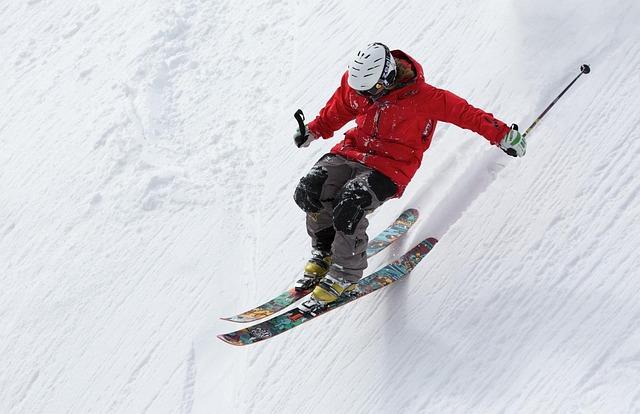
As winter sports season approaches, many enthusiasts recovering from joint surgery face a pressing question: Is it safe to return to activities like skiing, snowboarding, or ice skating? McLaren Health offers expert insights into the considerations and precautions necessary for patients eager to hit the slopes or glide across the ice following joint procedures. This article explores the latest guidance from orthopedic specialists, helping individuals make informed decisions about resuming winter sports while safeguarding their recovery.
Winter Sports and Joint Surgery Recovery What Medical Experts Advise
Medical professionals emphasize a cautious approach to resuming winter sports following joint surgery, highlighting that recovery timelines vary significantly depending on the nature of the procedure and individual healing rates. Experts advocate for a personalized rehabilitation program that prioritizes gradual reintroduction of physical activity under close supervision. Key recommendations include:
- Consultation with orthopedic specialists before attempting any winter sport activities
- Engagement in low-impact exercises such as swimming or cycling to maintain joint mobility
- Monitoring for pain or swelling after activity, which may indicate overuse
- Use of appropriate protective gear to minimize injury risk on icy or uneven terrain
| Winter Sport | Risk Level | Recommended Recovery Time |
|---|---|---|
| Snowboarding | High | 6-9 months |
| Cross-Country Skiing | Moderate | 4-6 months |
| Ice Skating | Moderate | 4-8 months |
| Sledding | Low | 3-5 months |
Experts also stress the importance of listening to the body’s signals and avoiding high-impact, fast-paced winter sports too soon after surgery. Physical therapy plays a crucial role in rebuilding strength and stability, enabling safer progression back into activities that place varying degrees of stress on the joints. Recovery success hinges not only on the surgery itself but also on ongoing commitment to expert medical guidance, patient patience, and tailored exercise regimens.
Understanding the Risks and Benefits of Winter Activities Post-Surgery
Engaging in winter sports after joint surgery offers a unique blend of challenges and rewards. On one hand, activities like skiing, snowboarding, and ice skating can boost cardiovascular health and enhance muscle strength around the operated joint when approached cautiously. The cold weather often encourages patients to remain active indoors or outdoors, promoting rehabilitation and mental well-being. However, the risk of slips, falls, and sudden impact remains significantly higher in winter conditions, putting newly repaired joints in jeopardy. It’s essential to weigh these factors carefully and consult with health professionals before diving into any strenuous winter activities.
Key considerations before participating in winter sports post-surgery include:
- Consultation: Always get clearance from your orthopedic surgeon and physical therapist.
- Protective Gear: Use braces or supports designed for your joint to reduce strain and risk of injury.
- Weather Awareness: Avoid icy or overly slippery conditions to minimize falls.
- Pacing: Gradually increase activity intensity to monitor joint response and avoid overexertion.
| Winter Sport | Benefit for Post-Surgery Patients | Primary Risk | |||
|---|---|---|---|---|---|
| Cross-country Skiing | Low-impact aerobic exercise, improves joint mobility | Muscle fatigue leading to falls | |||
| Snowshoeing | Builds strength and endurance without heavy joint pressure |
| Winter Sport |
Benefit for Post-Surgery Patients |
Primary Risk |
|
| Cross-country Skiing | Low-impact aerobic exercise, improves joint mobility | Muscle fatigue leading to falls | |||
| Snowshoeing | Builds strength and endurance without heavy joint pressure | Slips on uneven terrain causing joint stress | |||
| Ice Skating | Improves balance and coordination | High risk of falls and sudden impacts | |||
| Downhill Skiing | Enhances muscular strength and endurance | High impact falls and joint twisting injuries |
If you’d like, I can also help you add more details or customize it further!
Rehabilitation Tips for Safely Returning to Snowboarding and Skiing
Regaining confidence and strength after joint surgery is crucial before hitting the slopes again. To ensure a smooth transition back to snowboarding and skiing, focus on gradual progression in your rehabilitation plan. Begin with low-impact activities and balance exercises that enhance proprioception, which is vital for preventing re-injury. Incorporating targeted strength training for the muscles surrounding your operated joint will provide better support and stability during high-intensity winter sports. Consistency is key-work closely with your physical therapist to monitor pain levels and joint response, adjusting your regimen accordingly.
When preparing to return to winter sports, equip yourself with the right gear to minimize stress on your joints. Use properly fitted boots and braces designed for added joint protection. Below is a quick reference table summarizing essential considerations for safe rehabilitation and return to activity:
| Rehabilitation Focus | Recommended Duration | Key Benefits |
|---|---|---|
| Balance & Proprioception Exercises | 4-6 weeks | Enhances joint awareness and reduces fall risk |
| Strength Training | 6-12 weeks | Improves joint support and shock absorption |
| Low-Impact Aerobic Activity | Ongoing | Boosts endurance without joint overload |
- Warm-up thoroughly before every session to prepare joints and muscles.
- Listen to your body; any sharp pain warrants immediate rest and medical evaluation.
- Incorporate cross-training to maintain overall fitness without overloading the repaired joint.
Choosing the Right Protective Gear to Prevent Joint Injuries in Winter Sports
When returning to winter sports after joint surgery, selecting the appropriate protective gear is essential to safeguard healing joints and reduce the risk of re-injury. Custom-fitted braces and supports can provide targeted stabilization, allowing flexibility without sacrificing protection. Helmets with advanced shock absorption, padded gloves, and impact-resistant knee and elbow guards are equally crucial, especially for high-intensity activities like skiing or snowboarding. Look for gear that offers a balance between comfort and security, prioritizing equipment tested for medical-grade support to optimize joint safety.
To assist in making informed decisions, consider the following key components when choosing your protective equipment:
- Material durability and flexibility
- Adjustability and custom fit options
- Compatibility with existing surgical aids (e.g., knee braces)
- Certification by sports safety organizations
- Lightweight design to maintain mobility
| Gear Type | Key Benefit | Recommended Use |
|---|---|---|
| Custom Knee Brace | Joint stability & alignment | Post-ACL reconstruction skiing |
| Impact-Absorbing Helmet | Head trauma reduction | All winter sports |
| Padded Wrist Guards | Fall protection | Snowboarding & skating |
| Adjustable Elbow Pads | Flexibility with protection | Cross-country skiing |
In Conclusion
In conclusion, while winter sports can offer enjoyable and rewarding experiences, individuals recovering from joint surgery should approach them with caution. According to McLaren Health experts, careful assessment, appropriate rehabilitation, and tailored guidance are essential to ensure safety and prevent complications. Patients are encouraged to consult their healthcare providers before resuming any high-impact activities to make informed decisions that support long-term joint health. As winter activities resume, informed choices remain key to balancing active lifestyles with post-surgical recovery.
Related Posts