
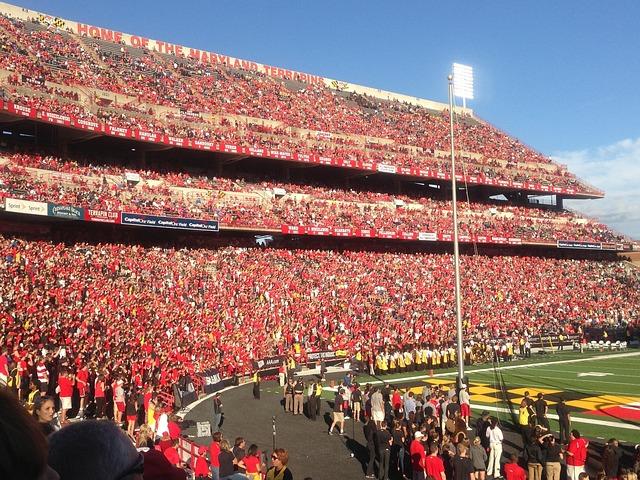
The evolving landscape of college athletics has been dramatically reshaped by the advent of Name, Image, and Likeness (NIL) rights, allowing student-athletes to profit from endorsements and personal branding. However, the absence of comprehensive regulation within the NIL system has sparked intense debate over its impact on college sports culture. In a recent opinion piece published by the Daily Bruin, concerns are raised that the current unregulated environment prioritizes financial gain over the traditional values and spirit that have long defined collegiate athletics. This article explores the implications of NIL’s unchecked growth and its potential to fundamentally alter the culture of college sports.
The Rise of NIL and the Erosion of Collegiate Athletic Tradition
Over the past few years, Name, Image, and Likeness (NIL) deals have infused college sports with unprecedented financial opportunities for student-athletes. What began as a movement toward fair compensation has rapidly transformed into a largely unregulated gold rush, where monetary incentives often overshadow the spirit of competition and camaraderie that once defined collegiate athletics. University logos on billboards and social media promotions now blend seamlessly with endorsements, creating an environment where athletes are as much brand ambassadors as competitors. This shift has sparked heated debates about whether the essence of college sports-the pride, tradition, and community engagement-is being compromised for commercial gain.
Key ways NIL is reshaping college sports culture include:
- Commercialization over community: Increased focus on personal brand building rather than team cohesion.
- Recruitment pressures: NIL potential influencing athlete commitments, sometimes outweighing academic fit.
- Uneven playing field: Schools with affluent markets pull top athletes via lucrative deals, disrupting competitive balance.
| Aspect | Pre-NIL Era | Current NIL Landscape |
|---|---|---|
| Student-Athlete Focus | Team success & tradition | Personal brand & endorsements |
| Recruiting | Talent & academic fit | Market size & deal potential |
| Game Day Atmosphere | School pride & rivalry | Commercial promotions & sponsorships |
How Unchecked Endorsements Shift Priorities from Team to Individual
As individual endorsements become more prominent, athletes often find their focus shifting from collective team goals to personal brand building. The unregulated Name, Image, and Likeness (NIL) ecosystem fosters a competitive environment where players prioritize lucrative deals over team cohesion. This shift can lead to fractured locker rooms, as disparities in endorsements spark divisions and distract from on-field objectives. Coaches report challenges in maintaining unity, as athletes juggle personal marketing commitments alongside demanding practices and games.
- Team dynamics weaken: When players vie for individual fame, collaboration suffers.
- Time management issues: Balancing endorsements with academics and training becomes a logistical strain.
- Unequal opportunities: High-profile athletes attract more deals, creating jealousy among teammates.
| Aspect | Impact |
|---|---|
| Focus | Shifted from team performance to personal branding |
| Locker Room Atmosphere | More tension and less camaraderie |
| Practice Efficiency | Decreased due to off-field distractions |
Ultimately, the long-term consequences extend beyond just the sport. The elevation of individual gain above collective success risks eroding the foundational culture that has long defined college athletics. Universities may find it increasingly difficult to foster environments where sportsmanship and teamwork remain paramount, as financial incentives pull athletes in different directions. If unchecked, this trend could redefine not only athletic priorities but also the very identity of college sports programs nationwide.
The Impact of Financial Incentives on Athlete Wellbeing and Team Dynamics
Financial incentives, while lucrative, have introduced complex challenges into collegiate sports environments. Athletes now often prioritize personal branding and endorsement deals over team cohesion, which can lead to fractured locker rooms and uneven power dynamics. The pressure to secure high-profile Name, Image, and Likeness (NIL) deals creates stress that detracts from athletic focus and mental wellbeing. Moreover, disparities in earning potential among teammates foster resentment and competition off the field, undermining the traditional spirit of unity and collective effort within college teams.
Key effects on athlete wellbeing and team dynamics include:
- Increased anxiety related to managing business relationships alongside athletic commitments
- Distracted focus resulting in diminished performance consistency
- Division between high-profile athletes and role players, challenging team harmony
| Aspect | Positive Impact | Negative Impact |
|---|---|---|
| Financial Security | Provides funding for education and future | Creates income-related jealousy |
| Mental Health | Empowers through financial independence | Increases stress and performance pressure |
| Team Unity | Potential for new leadership roles | Generates divisions and conflicts |
Calls for Stricter Oversight to Preserve Integrity and Foster Balanced Growth
As the NIL (Name, Image, and Likeness) landscape evolves without comprehensive regulation, concerns are mounting over the long-term impact on college sports culture. Experts argue that the absence of a unified framework allows market forces to overshadow traditional values, risking the very essence of amateur athletics. Stakeholders urge decision-makers to implement stringent oversight mechanisms that can safeguard fairness, transparency, and athlete welfare, ensuring that financial incentives do not come at the cost of ethical standards.
Key proposals gaining traction include:
- Standardized Contract Regulations: To prevent exploitation and maintain equitable compensation structures among athletes.
- Independent Compliance Bodies: Creating watchdogs to monitor NIL agreements and enforce ethical practices nationwide.
- Educational Programs: Equipping student-athletes with financial literacy and contract negotiation skills to empower informed decision-making.
| Concern | Potential Consequence | Suggested Oversight |
|---|---|---|
| Lack of Transparency | Unfair deals, hidden conflicts | Mandatory disclosure policies |
| Unequal Opportunities | Wealth concentration among few | Salary caps or equitable distribution |
| Excessive Commercialization | Loss of amateur spirit | Cultural preservation guidelines |
Concluding Remarks
As debates over the future of college athletics continue, the unregulated nature of the NIL system remains a contentious issue. Critics argue that the focus on financial gain threatens to undermine the traditional values and cultural significance of college sports. Without comprehensive oversight, the balance between preserving the integrity of amateur athletics and embracing new economic opportunities may prove difficult to achieve. The unfolding developments in NIL regulations will be crucial in determining whether college sports can sustain their cultural identity amid the growing influence of commercialization.