
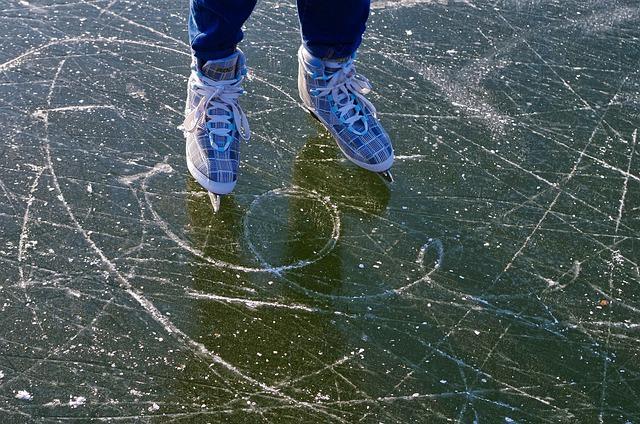
Figure skating is often celebrated for its breathtaking artistry and graceful performances on the ice, yet behind every flawless routine lies an extraordinary display of physical strength, endurance, and technical precision. As athletes push the boundaries of what’s possible-executing complex jumps, spins, and lifts-they place immense demands on their bodies. In this high-stakes arena, physiotherapists have emerged as essential allies, helping skaters maintain peak condition, prevent injuries, and recover swiftly when setbacks occur. This article explores the rigorous physical challenges figure skaters face and highlights the vital role physiotherapy plays in supporting these athletes’ pursuit of excellence.
The Rigorous Physical Challenges Behind Graceful Performances
Behind the elegant spins and soaring jumps lies an extraordinary level of physical exertion. Skaters endure intense training regimens that combine strength, flexibility, endurance, and precision. Their muscles work tirelessly to maintain balance on a thin blade while generating explosive power for jumps such as the triple axel or quad toe loop. The rigorous demands extend beyond performance moments; off-ice conditioning includes plyometrics, core stabilization, and cardiovascular workouts to enhance stamina and reduce injury risk. This fusion of athleticism and artistry requires a body finely tuned to withstand repetitive impacts, sudden directional changes, and the constant challenge of mastering gravity-defying moves.
Physiotherapists are indispensable in this high-stakes environment, proactively managing musculoskeletal health and accelerating recovery processes. They apply targeted interventions ranging from manual therapy to biomechanical assessments that optimize movement patterns and prevent overuse injuries. Common physical challenges include:
- Hip and knee joint stress from repetitive landings
- Lower back strain due to rotational forces
- Ankle instability linked to uneven ice surfaces
- Muscle imbalances caused by asymmetrical training
| Injury Type | Common Causes | Physiotherapy Focus |
|---|---|---|
| Tendinitis | Repetitive jump landings | Anti-inflammatory techniques, strengthening |
| Stress Fractures | Overtraining, poor technique | Load management, corrective exercises |
| Muscle Strains | Sudden twists, inadequate warm-up | Manual therapy, flexibility routines |
The collaboration between skaters and physiotherapists ensures that artistic brilliance is supported by robust physical health, enabling athletes to push boundaries without compromising longevity.
Injury Prevention Strategies Essential for Figure Skaters
Figure skating demands a unique blend of strength, flexibility, and precision, making injury prevention a cornerstone of sustained performance. Skaters must prioritize dynamic warm-ups and cool-down routines tailored to the sport’s repetitive jumps and spins. Emphasizing muscle balance through targeted strength training, especially around the hips, core, and ankles, helps mitigate the risk of overuse injuries common in figure skaters. Integrating proprioceptive exercises also enhances joint stability, reducing the likelihood of ankle sprains and knee strains that frequently sideline athletes.
Beyond physical conditioning, optimizing on-ice practice environments plays a crucial role. Ensuring properly maintained ice surfaces and the correct fit of skates can prevent biomechanical stress and blisters that lead to chronic pain. Nutrition and hydration tailored to the intense training schedules further support tissue recovery and injury resilience. The following table summarizes key preventative measures with their practical applications:
| Strategy | Application | Outcome |
|---|---|---|
| Dynamic Warm-Ups | Active stretches pre-training | Improved muscle readiness |
| Strength Training | Targeted resistance exercises | Enhanced joint support |
| Proprioceptive Drills | Balance and coordination tasks | Reduced risk of sprains |
| Equipment Checks | Regular skate fittings | Minimized biomechanical stress |
| Nutrition & Hydration | Personalized dietary plans | Optimal recovery and endurance |
How Physiotherapists Enhance Recovery and Boost Performance
Physiotherapists serve as indispensable partners in a figure skater’s journey, expertly navigating the delicate balance between recovery and performance enhancement. By delivering tailored rehabilitation programs, they meticulously address the unique musculoskeletal strains inflicted by rigorous training and the sport’s high-impact landings. Through precise manual therapy and targeted strength conditioning, physiotherapists expedite healing from common injuries such as ankle sprains, stress fractures, and tendonitis, ensuring athletes return to the ice resilient and confident.
Beyond injury management, these professionals play a proactive role in optimizing athletic capabilities. They incorporate biomechanical assessments and movement analysis to identify and correct asymmetries or inefficient techniques that could hinder performance or predispose skaters to injury. Their intervention often includes:
- Functional movement retraining to improve flexibility and joint stability
- Neuromuscular re-education for enhanced balance and coordination
- Sport-specific conditioning focused on explosive power and endurance
| Physiotherapy Focus | Benefit to Skaters |
|---|---|
| Targeted Muscle Strengthening | Improved jump height and landing control |
| Postural Correction | Enhanced spin stability and alignment |
| Injury Prevention Education | Reduced downtime through safer training habits |
Tailored Rehabilitation Approaches for Long-Term Athletic Success
Every figure skater’s journey to peak performance is uniquely shaped by their physical strengths, injury history, and competitive goals. Physiotherapists specializing in this sport craft individualized rehabilitation programs that blend targeted strength training, flexibility exercises, and neuromuscular re-education. These tailored protocols do not merely focus on injury recovery but emphasize long-term athletic resilience, recognizing the intricate demands of jumps, spins, and rapid edge changes. The integration of sport-specific drills ensures that rehabilitative gains translate seamlessly onto the ice, enhancing confidence and reducing the risk of re-injury during high-stakes performances.
Key components of these personalized rehabilitation strategies include:
- Dynamic proprioception drills to refine balance and spatial awareness
- Progressive plyometric training to rebuild explosive power for jumps
- Core stabilization routines enhancing trunk control critical for rotation
- Psychological support to manage stress and maintain competitive focus
| Rehabilitation Phase | Focus Area | Sample Exercise |
|---|---|---|
| Acute Recovery | Pain Reduction & Mobility | Gentle range-of-motion stretches |
| Strengthening | Muscle Activation & Endurance | Resistance band lateral walks |
| Functional Integration | Balance & Coordination | Single-leg stance on unstable surface |
| Return to Sport | Power & Performance | Box jumps & on-ice plyometric drills |
Key Takeaways
As figure skating continues to captivate audiences with its blend of grace and athleticism, the physical demands placed on these athletes remain immense and often underappreciated. Physiotherapists play a crucial role behind the scenes, ensuring skaters maintain peak performance while preventing injury in a sport where both artistry and athleticism must flawlessly coexist. Their expertise not only helps athletes push the boundaries of what’s physically possible on ice but also safeguards their long-term health. As the sport evolves, the partnership between skaters and physiotherapists will remain essential-proving that true artistry on ice is as much about resilience and strength as it is about elegance and skill.