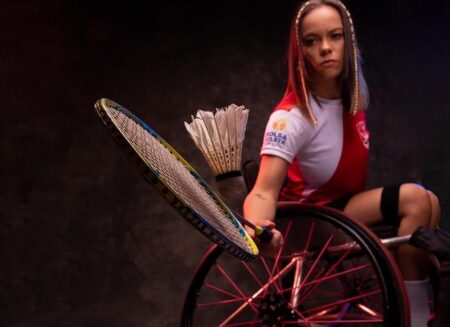
Women’s participation in sports has seen significant progress over recent decades, yet many gender disparities remain entrenched worldwide. In its latest report, UN Women sheds light on the current state of women in sport, presenting a comprehensive overview of key facts and figures. From participation rates and leadership roles to media representation and funding gaps, the data reveals both the strides made and the challenges still faced by female athletes globally. This article delves into these statistics to understand the evolving landscape of women’s involvement in sports and the ongoing efforts to achieve equality on and off the field.
Women Breaking Barriers in Competitive Sports
From local leagues to global arenas, women athletes are shattering long-standing stereotypes and setting new standards of excellence. Despite historical challenges like limited access to funding and media coverage, female participation in competitive sports has surged, marking a transformative era. Key achievements include record-breaking performances across disciplines such as athletics, soccer, and basketball, driving increased visibility and inspiring youth worldwide.
Data highlights the ongoing journey toward equity with promising trends across participation rates, sponsorship, and governance roles:
- 42% of professional athletes worldwide are now women, up from 30% two decades ago.
- 35% increase in women’s sports broadcasting hours in prime-time slots between 2015 and 2023.
- 28% rise in female coaches and team managers at the national team level since 2010.
| Metric | 2010 | 2023 |
|---|---|---|
| Female Athlete Participation (%) | 30 | 42 |
| Media Coverage (Prime Time Hours) | 500 | 675 |
| Women in Coaching Roles (%) | 15 | 22 |
Analyzing Global Participation Trends and Gender Disparities
Across the globe, sports participation among women is still significantly lower than that of men, highlighting persistent gender disparities. Despite advances, many countries report less than 30% female involvement in organized sports, particularly at competitive and leadership levels. Factors such as cultural norms, safety concerns, and lack of access to facilities continue to hinder equal participation. However, regions like Scandinavia and parts of Oceania showcase more balanced engagement, where targeted policies and societal support have fostered more inclusive environments.
Key challenges remain consistent worldwide, including:
- Limited role models and media representation of female athletes
- Inequities in funding, sponsorship, and media coverage
- Unequal opportunities for professional advancement and coaching
- Gender-based discrimination and harassment in sporting contexts
| Region | Female Participation (%) | Gender Gap Index | |||||||||||||||||||||||||
|---|---|---|---|---|---|---|---|---|---|---|---|---|---|---|---|---|---|---|---|---|---|---|---|---|---|---|---|
| Scandinavia | 45% | 0.9 | |||||||||||||||||||||||||
| Oceania | 40% | 0.85 | |||||||||||||||||||||||||
| Sub-Saharan Africa | 25% | 0.6 | |||||||||||||||||||||||||
| South Asia | The Impact of Media Representation on Female Athletes
Media portrayals significantly shape public perceptions of female athletes, often perpetuating stereotypes that undermine their achievements and athleticism. Despite increased visibility, coverage remains disproportionately low compared to male counterparts, with less focus on their skills and more emphasis on appearance and personal lives. This skewed representation reinforces outdated gender norms and limits sponsorship and funding opportunities for women in sport. Research shows that when female athletes receive equitable media coverage, there is a measurable increase in audience interest and participation in women’s sports across all age groups. Key challenges faced by female athletes in media coverage include:
|