
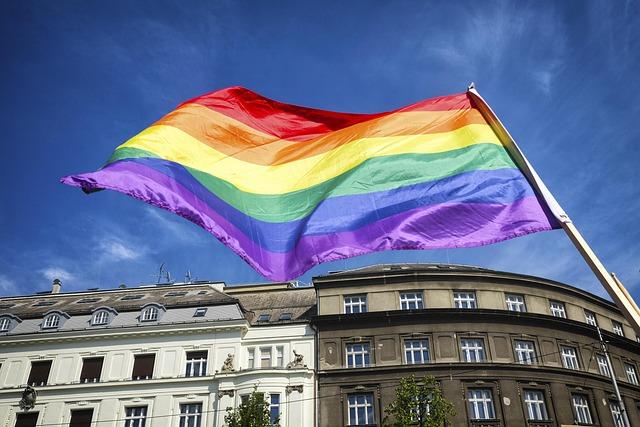
Across the United States, a growing number of states have enacted or proposed legislation banning transgender athletes from participating in sports consistent with their gender identity. Proponents argue these measures are necessary to preserve fairness in competitive sports. However, critics contend that such bans do not enhance fairness but instead perpetuate the erasure of transgender individuals, denying them visibility and inclusion. This article explores how the debate over transgender athletes extends beyond questions of athletic equity to touch on deeper issues of identity, rights, and social recognition.
The Impact of Banning Transgender Athletes on Identity and Inclusion
Efforts to ban transgender athletes frequently result in the unintended consequence of erasing their very identities rather than promoting fairness. When policies exclude individuals based on their gender identity, they send a message that transgender people do not belong in athletic spaces, fostering exclusion and marginalization. Such exclusions go beyond sports, impacting mental health, self-esteem, and the broader sense of belonging. The complex interplay between gender identity and athletic participation demands nuanced policies, but blanket bans ignore this complexity, reducing human experiences to rigid categories that fail to embrace diversity.
Key implications of banning transgender athletes include:
- Reinforcement of harmful stereotypes and stigma around transgender identities
- Alienation of transgender youth from positive, confidence-building activities
- Undermining inclusivity efforts that many sports organizations strive to implement
- Potential legal challenges related to discrimination and equal rights
| Impact Area | Effect of Banning Transgender Athletes |
|---|---|
| Community | Division and reduced sense of unity |
| Policy | Promotion of exclusionary, not inclusive, frameworks |
| Individual | Emotional distress and identity invalidation |
| Sports Culture | Loss of richness and diversity in competition |
Challenging the Narrative of Fairness in Sports
Claims that banning transgender athletes preserves fairness in sports often overlook deeper systemic issues. The idea that fairness hinges strictly on biological sex ignores the complexity of athletic performance and the diversity of body types even among cisgender athletes. More importantly, such bans act less as a safeguard of competitive equity and more as a mechanism that erases transgender identities from athletic spaces, pushing them to the margins of society rather than celebrating inclusivity.
Scientific data and real-world competition emphasize that the realities of performance advantages are far from clear-cut. Factors such as training, resources, and psychological resilience often weigh heavier than gender alone. Below is a simplified comparison of various elements influencing athletic performance, illustrating that the narrative of “fairness” used to exclude transgender athletes is at best reductive:
| Factor | Influence on Performance | Common Misconception |
|---|---|---|
| Muscle Mass | Variable across all athletes | Only determined by sex |
| Training Quality | Critical for success | Often overlooked |
| Psychological Strength | Key for competition | Underappreciated |
| Hormone Therapy | Modifies physicality | Ignored in policy debates |
- Exclusion policies disproportionately affect transgender athletes’ mental health and sense of belonging.
- Sports governing bodies must balance inclusivity with fairness using evidence-based approaches.
- Public discourse benefits from acknowledging the nuances beyond simplistic sex-based restrictions.
How Erasure Undermines the Progress of LGBTQ Rights
When the rights and identities of transgender athletes are dismissed or systematically excluded, it reflects a broader societal erasure that stagnates the progress of LGBTQ rights. This erasure is not a neutral lack of recognition, but a deliberate negation that reduces individuals to stereotypes, ignoring their humanity and lived experiences. It sends a message that transgender people are less valid or worthy of inclusion, creating a climate where discrimination is normalized under the guise of “fairness.” Such exclusionary policies do not protect fairness; instead, they weaponize misinformation to justify oppression.
The consequences of this erasure ripple beyond the playing field, impacting mental health, community acceptance, and legal protections. Key issues include:
- Heightened stigma and marginalization of transgender youth and adults.
- Reinforcement of harmful myths that fuel legislative attacks.
- Undermining efforts to create inclusive and safe environments.
Below is a simple breakdown of the differences between actual fairness and policies driven by erasure:
| Actual Fairness | Erasure-Driven Policies |
|---|---|
| Individual assessments based on ability, not identity | Broad bans based on gender identity alone |
| Upholds rights to participation and inclusion | Explicit exclusion and denial of identity |
| Promotes understanding and respect | Creates division and fuels prejudice |
Policy Recommendations to Foster Equity and Respect in Athletics
To create truly inclusive sports environments, policymakers must prioritize equity over exclusion. This involves crafting guidelines that recognize the diversity of athletes’ identities without resorting to blanket bans. Schools and athletic organizations should implement educational programs promoting awareness and respect for transgender athletes, fostering a culture that values participation and personal growth above rigid notions of competitive “fairness.” Policies must be built on scientific evidence rather than fear or misinformation, ensuring all athletes receive equal opportunities to compete and excel.
Practical measures include the adoption of clear, flexible criteria for eligibility based on individualized assessments rather than categorical restrictions. Supporting transparency and accountability, organizations can use monitoring systems to track the impact of inclusion efforts over time. Below is a simple framework to guide policymakers in designing equitable athletic policies:
| Policy Element | Goal | Outcome |
|---|---|---|
| Inclusive Eligibility | Assess athletes case-by-case | Fair competition + respect |
| Educational Programs | Increase awareness | Reduced stigma, increased support |
| Transparency Mechanisms | Track progress | Data-driven improvements |
| Community Engagement | Incorporate athlete voices | Policies that reflect real needs |
Concluding Remarks
As debates over transgender athlete participation continue to unfold across the nation, the underlying issue extends beyond questions of fairness in competition. These bans represent a broader pattern of erasure-marginalizing transgender individuals and denying their identity in public spaces. Understanding this dimension is crucial for policymakers, advocates, and the public as they navigate the complex intersection of sports, rights, and inclusion. The conversation moving forward must prioritize both equity and the recognition of transgender athletes as integral members of the athletic community.