
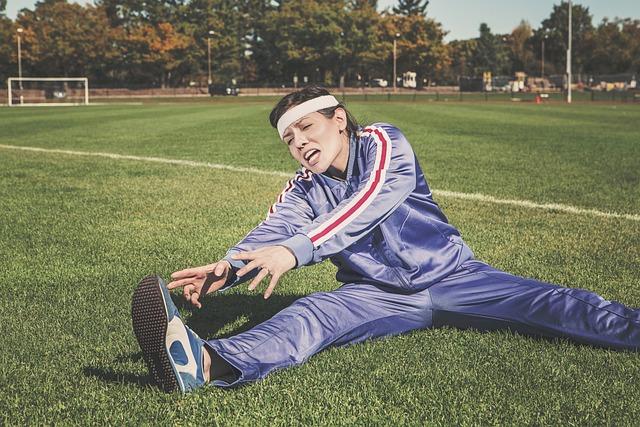
The BBC has issued new guidelines aimed at ensuring more respectful and equitable television camera coverage of female athletes. In response to longstanding concerns about the objectification and unequal portrayal of women in sports broadcasting, the updated directives seek to promote dignity, professionalism, and fairness in how female competitors are filmed during live events. This move marks a significant step towards addressing gender bias in sports media and enhancing the viewing experience for audiences worldwide.
New BBC Guidelines Aim to Eliminate Objectification in Sports Broadcasts
The BBC has introduced a set of comprehensive rules designed to foster greater respect and professionalism in the way female athletes are portrayed during sports broadcasts. These measures address long-standing concerns about the tendency to focus on physical appearance rather than athletic ability, a practice that has often led to the objectification of women in sports media. Key mandates include limiting close-up shots that emphasize body parts unrelated to performance and avoiding commentary that dwells on athletes’ looks or attire.
Highlights of the new guidelines include:
- Use of camera angles that prioritize action and skill demonstration over physical attributes.
- Elimination of slow-motion replays that unnecessarily linger on athletes’ bodies.
- Mandatory sensitivity training for production teams to recognize and avoid biased coverage.
- Regular audits by an oversight panel to ensure compliance across all broadcasts.
| Aspect | Previous Approach | New BBC Directive |
|---|---|---|
| Camera Focus | Emphasis on physical attractiveness | Highlighting athletic performance |
| Commentary Style | Frequent remarks on appearance | Concentration on skills and statistics |
| Replay Usage | Slow-motion body shots | Action-centric slow-motion replays |
| Training | None or minimal | Mandatory sensitivity and inclusion training |
Focus Shifts to Athletic Performance Over Appearance in Female Coverage
Recent broadcasting guidelines emphasize a paradigm shift, prioritizing the athletic achievements of female competitors rather than their physical appearance. Broadcasters are now encouraged to focus on the skill, strategy, and dedication demonstrated by athletes during events, fostering a more empowering and respectful narrative. This change seeks to dismantle long-standing stereotypes by showcasing women’s sports through a lens of professionalism and genuine competition.
Key elements highlighted in the new approach include:
- Eliminating camera angles that emphasize body shape over performance
- Highlighting tactical analyses and in-depth athlete profiles
- Featuring commentary focused on athletic skill and progress
- Reducing off-field speculation related to looks or personal life
These guidelines aim to create a viewing experience that respects the hard work of female athletes and encourages greater audience appreciation of women’s sports on merit.
Detailed Recommendations Encourage Camera Angles That Respect Privacy and Dignity
New guidelines emphasize the critical need for camera operators and production teams to adopt viewing angles that prioritize the comfort and dignity of female athletes. This means avoiding intrusive shots that focus unnecessarily on body parts, especially during vulnerable moments such as warm-ups, preparation, or post-competition activities. Broadcasters are now encouraged to use angles that highlight athletic performance and skill rather than exploit physical appearance, fostering a more respectful and empowering presentation.
To assist production crews in implementing these changes, the guidelines include a set of practical recommendations such as:
- Maintaining eye-level shots that emphasize the face and expressions of athletes rather than downward or upward angles that can be objectifying.
- Limiting slow-motion replays to action-focused moments instead of close-ups of the body in motion that serve no direct athletic commentary.
- Ensuring camera cuts avoid lingering unnecessarily on athletes during non-competitive times, like sitting on the bench or during hydration breaks.
| Camera Practice | Recommended Approach | Avoid |
|---|---|---|
| Shot angles | Eye-level, focused on face and action | Low or high angles focusing on body parts |
| Slow-motion use | Highlight athletic skill | Unfocused body close-ups |
| Cut timing | During active competition scenes | During vulnerable or private moments |
Broadcaster Training Emphasizes Gender Sensitivity and Inclusive Reporting Practices
In an effort to foster greater respect and fairness in sports media, broadcasters are now required to undergo specialized training focused on gender sensitivity. This initiative aims to shift the narrative around female athletes by discouraging objectifying or reductive camera angles and promoting coverage that highlights their skills and achievements. Trainers emphasize the importance of avoiding undue focus on appearance or attire and instead encouraging storytelling that reflects athletic prowess and personal dedication. Such practices are critical in combating long-standing biases and ensuring that women receive equitable media representation during live events.
The new guidelines also advocate for an inclusive reporting approach, encouraging on-air talent and production teams to use language that is free from stereotypes and gendered assumptions. Key components of the training include:
- Respectful framing of female athletes that emphasizes sporting performance over physical appearance
- Balanced commentary that offers equal airtime and depth as compared to male counterparts
- Awareness workshops addressing unconscious bias and the impact of microaggressions in sports journalism
- Implementation of feedback loops so viewers and athletes can report inappropriate coverage effectively
| Training Component | Objective | Expected Outcome |
|---|---|---|
| Camera Angles | Highlight athletic skill and efforts | Consistent respectful visual representation |
| Commentary Language | Use unbiased, non-stereotypical terms | More accurate and empowering narratives |
| Bias Awareness | Identify and reduce unconscious prejudices | Enhanced sensitivity in sports coverage |
Concluding Remarks
As broadcasters adapt to these new guidelines, the move marks a significant step toward ensuring equitable and respectful media representation of female athletes. By prioritizing fair coverage that focuses on athletic skill over appearance, the industry aims to foster a more inclusive environment that celebrates women’s achievements in sports. The BBC’s commitment sets a precedent that could influence broadcasters worldwide, encouraging ongoing progress in how female athletes are portrayed on screen.