
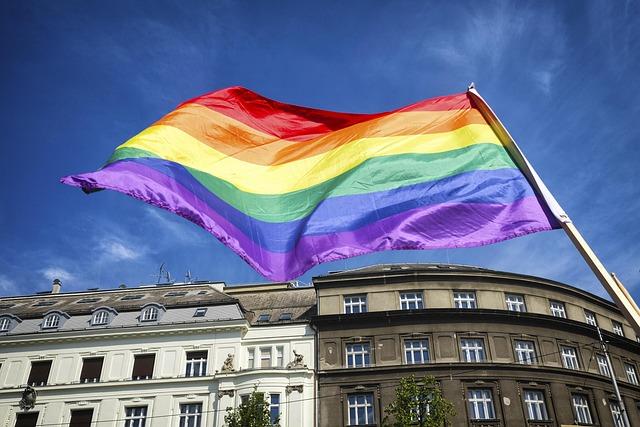
Recent legal battles in Idaho and West Virginia have reignited national debates over the participation of transgender athletes in contact sports. As courts in both states weigh the implications of legislation aimed at restricting transgender individuals, particularly youth, from competing in gender-specific athletic events, the controversies raise challenging questions about fairness, inclusivity, and competitive integrity. News Radio 1310 KLIX reports on how these high-profile cases are shaping policy discussions and stirring passionate responses across communities and athletic organizations.
Idaho and West Virginia Cases Bring Transgender Athlete Policies to the Forefront
Recent legal battles in Idaho and West Virginia have intensified discussions about the place of transgender athletes in competitive contact sports. Both states have enacted laws restricting transgender female athletes from participating in girls’ and women’s sports at school levels, citing concerns about fairness and safety. These cases have quickly become high-profile as they navigate through courts, stirring a nationwide debate balancing inclusivity, athletic integrity, and civil rights.
The policies under scrutiny outline specific restrictions, which opponents argue discriminate against transgender youth, while proponents claim they protect female athletes. Key points from the ongoing legal disputes include:
- Eligibility rules requiring athletes to compete according to their sex assigned at birth
- Testing and verification measures for hormone levels and physiological markers
- Potential impact on scholarships, team dynamics, and participation rates
- Legal challenges focusing on Title IX and constitutional protections
| State | Policy Focus | Current Status |
|---|---|---|
| Idaho | Excludes transgender females from girls’ school sports | Under federal court review |
| West Virginia | Requires athletes to compete based on birth sex | Enforced; facing legal appeals |
Examining the Impact of Contact Sports Regulations on Transgender Competitors
Recent legal battles in Idaho and West Virginia have intensified scrutiny on athletic policies governing transgender participation in contact sports, raising complex questions about fairness, safety, and inclusivity. Proponents of stricter regulations argue that physiological differences can create an uneven playing field, particularly in high-impact sports like football and wrestling. Meanwhile, advocates for transgender athletes emphasize the importance of equal opportunity and the potential psychological benefits of participation, urging policymakers to consider nuanced, case-by-case guidelines rather than sweeping bans. These contrasting viewpoints have fueled heated debates among lawmakers, sports organizations, and communities nationwide.
The evolving landscape of sports regulations shows a patchwork of approaches across states. Some have implemented clear-cut bans on transgender girls competing in female divisions, while others permit participation based on hormone levels or duration of gender-affirming treatment. Key points fueling the discussion include:
- Safety concerns regarding injury risk in contact sports
- Fair competition amidst diversity in physiological traits
- Legal implications tied to anti-discrimination laws
- Impact on mental health and social inclusion for transgender youth
| State | Policy Approach | Sports Most Affected |
|---|---|---|
| Idaho | Ban on transgender girls in female sports divisions | Wrestling, Football, Basketball |
| West Virginia | Eligibility based on hormone treatment duration | Track & Field, Wrestling |
| Other States | Case-by-case assessment and inclusion policies | Varies |
Legal Challenges and Community Responses Shape the Ongoing Debate
Recent legal battles in Idaho and West Virginia have ignited passionate discussions surrounding the participation of transgender athletes in contact sports. Courts in both states are grappling with complex questions about fairness, inclusivity, and the rights of young athletes. These cases have prompted lawmakers and school boards to reconsider existing policies, leading to a patchwork of regulations that vary widely across the country. Advocates on either side argue that the stakes are high-not only for competitive integrity but also for the mental health and well-being of all student-athletes involved.
Community reactions have been equally diverse, reflecting a broader national divide. Supporters of inclusive policies emphasize:
- The importance of protecting transgender youth’s access to sports as a critical aspect of social integration and personal development.
- Concerns about potential disadvantages faced by cisgender athletes competing against transgender participants in physically demanding sports.
- The need for nuanced, science-based guidelines that account for individual circumstances rather than broad mandates.
Meanwhile, parents, activists, and school officials call for transparent dialogue and careful consideration to ensure policies balance rights and safety. As the legal landscape continues to evolve, these debates remain front and center, influencing educational and athletic institutions nationwide.
| State | Current Policy | Legal Status | Community Response |
|---|---|---|---|
| Idaho | Ban on transgender female athletes | Ongoing litigation | Divided, intense debate |
| West Virginia | Case-specific rulings | Pending appeal | Mixed community feedback |
Recommendations for Fair and Inclusive Athletic Participation Policies
To foster an environment where all athletes feel valued and respected, policies must be grounded in fairness, scientific evidence, and respect for individual identity. Stakeholders recommend creating frameworks that allow participation based on multiple factors, such as physiological assessments alongside self-identified gender, rather than solely relying on legal documents or birth certificates. This approach aims to balance competitive equity with the inclusion of transgender athletes, ensuring no one is unfairly advantaged or marginalized due to inherent biological differences or gender identity.
Key elements for consideration include:
- Regular physiological evaluations: Monitoring hormone levels and physical development over time to maintain fairness.
- Clear appeals processes: Allowing athletes to challenge eligibility decisions with transparency and due process.
- Education and training: Providing coaches, officials, and athletes with resources to promote inclusivity and understanding.
- Collaboration with medical and human rights experts: Guiding policy development with multidisciplinary insights.
| Policy Element | Purpose | Impact | |||||||||
|---|---|---|---|---|---|---|---|---|---|---|---|
| Physiological Assessments | Evaluate fairness in competition | Balances performance equity | |||||||||
| Appeals Process | Ensure transparency and justice |
To foster an environment where all athletes feel valued and respected, policies must be grounded in fairness, scientific evidence, and respect for individual identity. Stakeholders recommend creating frameworks that allow participation based on multiple factors, such as physiological assessments alongside self-identified gender, rather than solely relying on legal documents or birth certificates. This approach aims to balance competitive equity with the inclusion of transgender athletes, ensuring no one is unfairly advantaged or marginalized due to inherent biological differences or gender identity. Key elements for consideration include:
|