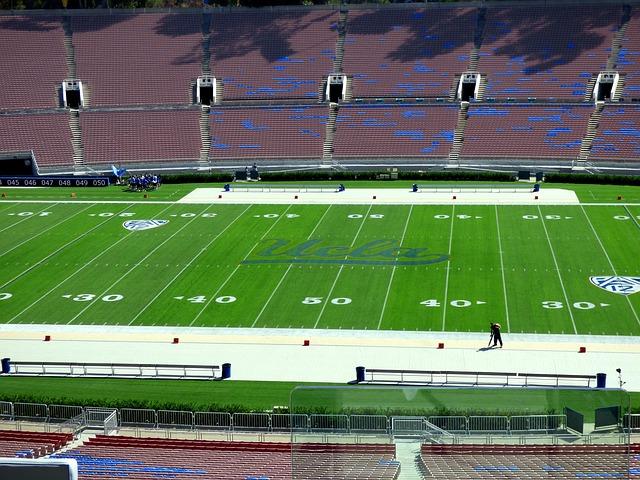
The Pac-12 Conference, once a powerhouse in collegiate athletics, now finds itself teetering on the brink of collapse. In recent years, a combination of bureaucratic infighting and insular decision-making has eroded the conference’s competitiveness and relevance. This article explores how behind-the-scenes political cliques and administrative gridlock contributed to the rapid decline of the Pac-12, signaling the possible end of an era in college sports.
The Rise and Fall of the PAC-12 The Role of Bureaucratic Cliques in Strategic Failures How Internal Politics Undermined Conference Competitiveness Recommendations for Restoring Collegiate Athletic Integrity
Bureaucratic cliques within the PAC-12’s administration played a pivotal role in the conference’s unraveling. Instead of fostering innovation and adaptability, entrenched internal factions prioritized personal agendas and power retention, creating an environment ripe for strategic missteps. Key decisions, from media rights negotiations to expansion strategies, were mired in discord and short-sightedness. These cliques often resisted change, leading to missed opportunities in an increasingly competitive collegiate sports landscape where other conferences aggressively pursued growth and modernization.
Internal politics not only delayed crucial reforms but also diluted the collective vision needed to maintain conference competitiveness. The failure to unify around bold, forward-thinking initiatives contributed directly to the PAC-12’s declining viewership, diminished recruitment appeal, and erosion of national relevance. To turn the tide, the following recommendations must be prioritized:
- Transparent governance: Establish clear decision-making processes free from factional influence.
- Strategic alignment: Develop long-term plans focused on media innovation and member institution collaboration.
- Revamped leadership: Introduce new voices committed to collegiate athletic integrity over internal politicking.
- Member empowerment: Encourage equitable participation and accountability among all conference schools.
| Factor | Impact | Recommended Action |
|---|---|---|
| Factionalism | Stalled decision-making | Enforce transparency |
| Lack of Vision | Missed growth opportunities | Implement strategic planning |
| Power Struggles | Reduced collaboration | Promote leadership renewal |
| Weak Member Unity | Competitive decline | Increase accountability |
Closing Remarks
As the Pac-12 faces an uncertain future, the fractures within its leadership and the influence of entrenched bureaucratic cliques have undeniably hastened its decline. What was once a powerhouse conference now serves as a cautionary tale of missed opportunities and internal discord. Moving forward, the landscape of collegiate sports will continue to evolve, but the legacy of the Pac-12’s downfall will remain a stark reminder of how governance and group dynamics can shape-and ultimately undo-a storied institution.