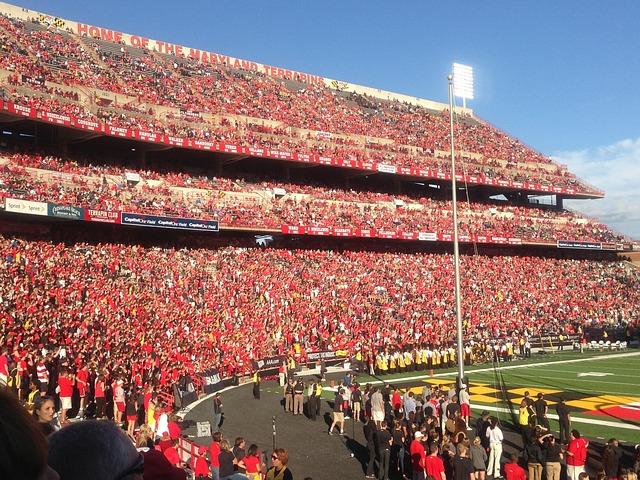
In the wake of ongoing turmoil within college athletics, John Calipari, one of college basketball’s most prominent coaches, offers a candid perspective on the challenges facing the sports landscape. In his recent opinion piece for The Washington Post, Calipari addresses the growing unrest fueled by shifting regulations, athlete compensation debates, and administrative complexities. His insights shed light on potential pathways to restore order and integrity in college sports at a time when the system appears increasingly fractured.
The Root Causes Behind the Chaos in College Sports
At the heart of the turmoil facing college sports lies a complex web of factors that have long been overlooked or underestimated. The relentless pressure to generate revenue has pushed programs into an unsustainable frenzy, often prioritizing profits over athlete welfare. Scholarships and recruiting rules, once designed to maintain fairness and competitive balance, have instead become battlegrounds for power struggles between institutions, conferences, and the NCAA. This environment fosters inconsistency and confusion, leaving coaches and players caught in a precarious middle ground.
- Lack of uniform name, image, and likeness (NIL) regulations leading to exploitation and uneven benefits.
- Escalating financial stakes prompting aggressive recruitment tactics and volatile coaching changes.
- Fragmented governance with conflicting agendas across governing bodies.
- Insufficient athlete representation in key decision-making processes.
| Root Cause | Impact on College Sports |
|---|---|
| Revenue-Driven Culture | Compromised athlete priorities, increased volatility in program decisions |
| Regulatory Ambiguity | Unequal opportunities for athletes, inconsistent enforcement |
| Governance Fragmentation | Disjointed policies, slowed reforms |
| Athlete Voice Deficit | Limited advocacy, overlooked welfare concerns |
Reevaluating Athlete Compensation and Rights
The current framework for athlete compensation in collegiate sports has become increasingly untenable, highlighting the urgent need for widespread reform. Players contribute significantly to the financial success of their programs, yet many find themselves excluded from equitable benefits. Advocates argue that recognizing athletes as stakeholders with rights-such as profit-sharing, health protections, and educational guarantees-would not only foster fairness but also stabilize the turbulent landscape of college athletics. Without such measures, the system risks perpetuating inequities that discourage long-term athlete development and wellbeing.
Key areas demanding immediate attention include:
- Transparent NIL (Name, Image, Likeness) policies that ensure athletes receive fair market value without compromising team dynamics.
- Comprehensive healthcare coverage extending beyond athletic tenure, safeguarding players against lasting injuries.
- Structured academic support programs that prioritize meaningful educational attainment over athletic performance alone.
| Aspect | Current Status | Proposed Reform |
|---|---|---|
| Compensation | Limited to scholarships, NIL inconsistently applied | Guaranteed profit-sharing agreements |
| Health Coverage | Short-term, often ends after eligibility | Extended coverage for lifetime injury support |
| Academic Focus | Variable support, often secondary to athletics | Mandatory academic mentorship and resources |
Implementing Transparent Governance and Compliance Measures
To restore order within college sports, stakeholders must prioritize transparent governance that holds all parties accountable. This requires clear policies accessible to the public, regular disclosures on compliance status, and an independent oversight committee empowered to investigate and act against infractions. Transparency breeds trust among fans, athletes, and institutions alike, ensuring that decisions are made not behind closed doors, but with open scrutiny.
Practical measures could include:
- Mandatory public reporting on recruitment and scholarship allocations.
- Standardized compliance training for coaches, staff, and athletes.
- Anonymous whistleblowing channels to report unethical behavior without fear of retribution.
Below is a simple compliance scorecard format that schools can adopt to benchmark progress annually:
| Category | Metrics | Status |
|---|---|---|
| Recruitment Transparency | Reports published quarterly | ✔ Compliant |
| Compliance Training | 100% staff participation | ✘ Pending |
| Whistleblower Reports | Anonymous reporting system active | ✔ Operational |
` tags). Here’s a corrected and complete version of your content with proper closing tags and a bit of cleanup for consistency:
“`html
To restore order within college sports, stakeholders must prioritize transparent governance that holds all parties accountable. This requires clear policies accessible to the public, regular disclosures on compliance status, and an independent oversight committee empowered to investigate and act against infractions. Transparency breeds trust among fans, athletes, and institutions alike, ensuring that decisions are made not behind closed doors, but with open scrutiny.
Practical measures could include:
- Mandatory public reporting on recruitment and scholarship allocations.
- Standardized compliance training for coaches, staff, and athletes.
- Anonymous whistleblowing channels to report unethical behavior without fear of retribution.
Below is a simple compliance scorecard format that schools can adopt to benchmark progress annually:
| Category | Metrics | Status | ||||||||||
|---|---|---|---|---|---|---|---|---|---|---|---|---|
| Recruitment Transparency | Reports published quarterly | ✔ Compliant | ||||||||||
| Compliance Training | 100% staff participation | ✘ Pending | ||||||||||
| Whistleblower Reports |
| Aspect | Support from Schools | Athlete Engagement |
|---|---|---|
| Academic | Personalized tutoring & flexible scheduling | Commitment to coursework & seeking help when needed |
| Health | Access to mental health and nutrition experts | Proactive communication about physical and mental needs |
| Career | Workshops and internships aligned with interests | Engagement in career development programs |
Insights and Conclusions
As college sports continue to navigate a landscape marked by evolving regulations, athlete activism, and financial complexities, voices like John Calipari’s highlight the urgent need for clear, consistent frameworks to restore order and fairness. Addressing these challenges requires collaboration among universities, governing bodies, and athletes themselves to create a sustainable model that prioritizes both competition and integrity. The coming months will be critical in determining whether these conversations move from debate to decisive action, shaping the future of college athletics for years to come.
Related Posts