
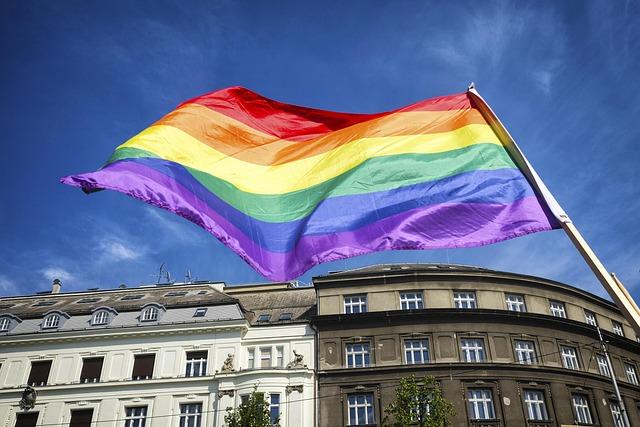
WASHINGTON – The U.S. Supreme Court’s conservative justices appear poised to uphold state laws that restrict transgender athletes’ participation in school sports, according to recent developments. This shift signals a potential narrowing of legal protections for transgender individuals in athletic competition, as several states have enacted bans aimed at limiting transgender girls and women from competing in female sports categories. The high court’s direction could have significant implications for ongoing debates over gender identity, fairness in sports, and civil rights nationwide.
US Supreme Court Conservatives Signal Support for Transgender Athlete Restrictions
During a recent oral argument, conservative justices of the US Supreme Court appeared inclined to uphold state-level restrictions barring transgender athletes from competing in sports categories that align with their gender identity. The discussion centered around whether such policies violate Title IX protections or advance fairness in female athletics. Key points raised by the conservative majority suggested that states have a legitimate interest in preserving competitive balance, emphasizing the biological differences that can impact sports performance.
Several justices questioned the challengers on whether allowing transgender women to compete in women’s sports could undermine opportunities for cisgender female athletes. The court’s leanings indicate a potential ruling that could affirm restrictions already enacted in multiple states. Below is a breakdown of the arguments highlighted during the session:
- States’ Authority: Emphasis on state power to define eligibility in scholastic and collegiate sports.
- Title IX Interpretation: Debate over whether Title IX’s prohibition on sex discrimination covers gender identity-based participation.
- Sports Fairness: Focus on preserving fair competition for cisgender women athletes.
- Potential Impact: Concerns about the long-term consequences of altering established eligibility standards.
| State | Restriction Type | Implementation Year |
|---|---|---|
| Idaho | Ban on transgender female athletes in school sports | 2020 |
| Florida | Restrictions for public university competitions | 2021 |
| Texas | Limits on high school transgender athlete participation | 2022 |
Legal Arguments and Implications Behind Potential Transgender Sports Bans
At the heart of the debate are constitutional questions surrounding equal protection and anti-discrimination laws. Conservative justices appear to weigh heavily on arguments that prioritize the integrity of women’s sports and biological definitions of sex. These legal views question whether transgender athletes, particularly transgender women, could gain an unfair advantage, potentially undermining Title IX protections designed to ensure equal athletic opportunities for cisgender female athletes. Opponents of bans, however, highlight rights afforded under the Equal Protection Clause and recent federal guidelines that protect gender identity, creating a significant legal conflict.
The potential ban also raises complex implications for state versus federal authority. Many states have enacted or proposed legislation restricting transgender participation in youth and collegiate sports, invoking parental rights and state sovereignty. At the federal level, agencies and courts are grappling with whether such laws violate the Civil Rights Act or the Constitution. Key legal considerations include:
- Definition of sex: Biological vs. gender identity for policy application
- Scope of Title IX: Are transgender athletes protected under laws prohibiting sex discrimination?
- State autonomy: Balancing local policymaking with federal civil rights enforcement
| Legal Issue | Arguments For Ban | Arguments Against Ban |
|---|---|---|
| Equal Protection | Preserves fairness in women’s sports | Discriminates based on gender identity |
| Title IX Interpretation | Protects based on biological sex | Includes gender identity under “sex” |
| State Authority | Allows states to regulate youth sports | Potential conflict with federal civil rights |
Impact on Transgender Youth and Athletic Participation Debates Intensifies
The ongoing debates surrounding transgender youth and their participation in athletic programs have escalated following recent indications from the US Supreme Court’s conservative justices. Advocates for bans argue that allowing transgender girls to compete in girls’ sports categories undermines fairness and creates an uneven playing field. Meanwhile, supporters of transgender inclusion emphasize the importance of equal access, mental health benefits, and the right to participate without discrimination. This polarization has sparked vigorous discussions at state and national levels, with several states proposing or enacting legislation restricting transgender athletes.
Key issues driving the debate include:
- Biological differences and competitive equity
- Psychological impact on transgender youth
- Legal interpretations of Title IX protections
- Community and educational institution responses
| Stakeholder | Primary Concern | Example Action |
|---|---|---|
| Conservative Lawmakers | Protect fairness in sports | Enacting sports participation bans |
| LGBTQ+ Advocacy Groups | Ensure inclusive participation | Challenging bans in court |
| Educational Institutions | Balance policies and compliance | Implementing diversity guidelines |
| Parents & Students | Support well-being and fairness | Advocating through local boards |
Recommendations for Policymakers Navigating Transgender Inclusion in Sports
Policymakers must balance *fairness* in competitive sports with the protection of transgender athletes’ rights. Creating inclusive frameworks requires evidence-based approaches that account for physiological differences while safeguarding equal opportunities. Transparent dialogue with medical professionals, sports organizations, and transgender communities is essential to formulate adaptive policies that protect both the integrity of competition and individuals’ dignity.
Key considerations include implementing clear eligibility criteria and routinely reviewing scientific research to ensure policies remain relevant. Policymakers should also prioritize anti-discrimination safeguards and invest in educational initiatives to foster understanding among athletes, coaches, and spectators. Below is a concise overview of actionable recommendations:
- Establish standardized hormone level benchmarks aligned with athletic performance impacts.
- Develop age- and sport-specific guidelines addressing the varying demands and competitive tiers.
- Engage transgender athletes in policy development to ensure lived experiences guide regulations.
- Maintain periodic policy reviews to incorporate emerging science and social considerations.
| Focus Area | Recommended Action | Expected Outcome |
|---|---|---|
| Eligibility Standards | Implement hormone-based benchmarks | Balanced competitive fairness |
| Community Engagement | Include athletes in policymaking | Inclusive, well-rounded policies |
| Education | Launch awareness campaigns | Reduced stigma, increased acceptance |
To Wrap It Up
As the U.S. Supreme Court appears increasingly inclined to uphold restrictions on transgender athletes’ participation in sports, the decision could mark a significant shift in the legal landscape surrounding gender identity and civil rights. Observers and advocates will be closely watching the court’s next moves, recognizing that the repercussions of this ruling may extend far beyond the realm of athletics, influencing broader debates over transgender rights across the country. Reuters will continue to follow this story as it develops.