


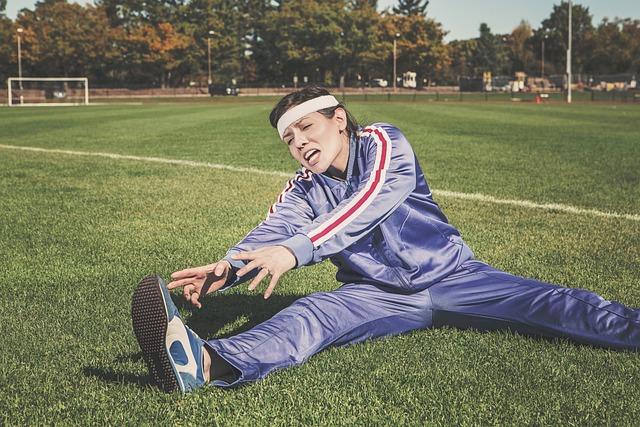
In the high-stakes world of competitive sports, physical training has long been regarded as the cornerstone of an athlete’s success. However, emerging research highlighted in Psychology Today reveals a powerful new dimension to peak performance: mental conditioning. When athletes devote the same attention and rigor to their psychological well-being as they do to their physical fitness, their overall performance improves markedly. This shift toward integrating mind and body training not only reshapes traditional training regimens but also offers promising implications for the future of athletic excellence.
The Mental Edge Athletes Gain from Prioritizing Psychological Training
Athletes who dedicate equal effort to their psychological fitness as they do to physical conditioning unlock a competitive advantage that goes beyond raw talent. Evidence shows that those who embrace mental training-such as visualization, mindfulness, and cognitive restructuring-enhance their focus under pressure, recover more quickly from setbacks, and maintain consistent performance during high-stakes moments. This mental edge can be the determining factor between winning and losing, particularly in sports where milliseconds and minute decisions dictate outcomes.
Key psychological strategies contributing to peak performance include:
- Goal-setting: Clarifying achievable short- and long-term targets sharpens motivation and direction.
- Emotional regulation: Managing anxiety and stress to preserve composure during competition.
- Focus enhancement: Techniques that limit distractions and improve concentration on the task at hand.
- Resilience building: Developing mental toughness to bounce back from failures without loss of confidence.
| Mental Technique | Performance Benefit | Example | |||||||||||||||||||||||||||||||||||||||||||||
|---|---|---|---|---|---|---|---|---|---|---|---|---|---|---|---|---|---|---|---|---|---|---|---|---|---|---|---|---|---|---|---|---|---|---|---|---|---|---|---|---|---|---|---|---|---|---|---|
| Visualization | Increased confidence and preparedness | Rehearsing perfect free throw shots | |||||||||||||||||||||||||||||||||||||||||||||
| Mindfulness Meditation | Reduced anxiety and improved focus | Centering before a sprint start |
| Mental Technique | Performance Benefit | Example | ||||||||||||||||||||||||||||||||||||
|---|---|---|---|---|---|---|---|---|---|---|---|---|---|---|---|---|---|---|---|---|---|---|---|---|---|---|---|---|---|---|---|---|---|---|---|---|---|---|
| Visualization | Increased confidence and preparedness | Rehearsing perfect free throw shots | ||||||||||||||||||||||||||||||||||||
| Mindfulness Meditation | How Mindfulness and Visualization Enhance Athletic Performance
Mindfulness equips athletes with a profound ability to stay rooted in the present moment, effectively minimizing distractions both on and off the field. This heightened awareness enables quicker decision-making, reduces performance anxiety, and fosters a deep connection between mind and body. Athletes who integrate mindfulness into their training routines report not only improved focus but also enhanced emotional resilience, allowing them to maintain composure under pressure and recover swiftly from setbacks. Visualization acts as a powerful mental rehearsal tool, enabling athletes to create vivid, detailed scenarios where they execute skills flawlessly before actual performance. This cognitive practice primes neural pathways, reinforcing muscle memory and boosting confidence. Consider the table below illustrating key benefits seen in athletes who apply visualization and mindfulness regularly:
Breaking the Stigma Around Seeking Mental Health Support in SportsIn the realm of sports, physical prowess has traditionally been celebrated and meticulously honed, while mental health struggles have often been shrouded in silence. Athletes face immense pressure to perform consistently, yet acknowledging psychological challenges remains a taboo that can hinder both their career and well-being. The shift toward embracing mental health support is critical-not just for recovery but for enhancing overall performance. Reducing stigma involves recognizing mental health maintenance as equally vital as physical training, encouraging open conversations, and integrating professional support as a standard aspect of athletic development. Sporting organizations and teams have started to implement comprehensive mental health programs with measurable results. According to recent studies, athletes who actively engage in psychological support report improvements in focus, resilience, and injury recovery times. Here’s a snapshot of the benefits athletes experience when prioritizing mental wellness:
Practical Strategies for Integrating Mental Conditioning into Daily Training RoutinesIncorporating mental conditioning into an athlete’s daily regimen doesn’t require hours of additional work; rather, it demands intentionality and consistency. Begin by embedding short mindfulness exercises such as deep-breathing techniques or visualization during warm-ups and cooldowns. These practices sharpen focus and reduce performance anxiety, turning mental resilience into a daily habit. Coaches and trainers can encourage athletes to maintain mental journals, reflecting on both successes and setbacks to promote self-awareness and adaptive thinking. Embedding such tools within existing routines transforms mental conditioning from an abstract concept into a tangible, repeatable skill. Consistency is key, and applying these techniques across various training phases ensures progressive growth. The following table outlines simple mental conditioning activities aligned with physical training sessions:
In SummaryAs the connection between mental health and athletic performance gains increasing recognition, experts emphasize that treating the mind with the same discipline and care as the body is no longer optional but essential. Athletes who integrate psychological training into their routines not only boost their resilience and focus but also unlock higher levels of achievement. As sports continue to push physical limits, the emerging consensus is clear: success depends as much on mental strength as physical prowess. Related Posts


Add A Comment
|