


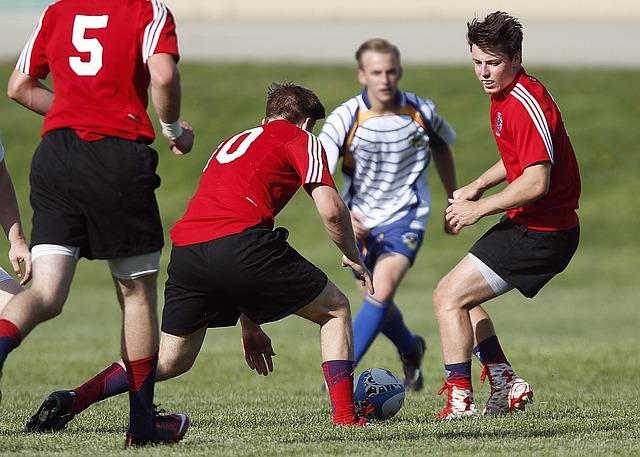
Between 2012 and 2025, participation in high school sports among American girls has seen remarkable growth and evolving trends, reflecting shifting cultural attitudes and increasing support for female athletics. According to data from Statista, certain sports have emerged as dominant favorites, capturing the interest and enthusiasm of young female athletes across the nation. This article explores the most popular high school sports for girls in the U.S. during this period, highlighting participation rates, regional variations, and the factors driving these trends. From the enduring appeal of traditional team sports to the rise of new athletic pursuits, the landscape of girls’ high school sports is dynamic and telling of broader social changes.
Rising Trends in Girls High School Sports Participation Across the United States
The landscape of high school sports for girls in the U.S. has shifted dramatically over the past decade, with participation rates climbing steadily from 2012 and projected to continue through 2025. Sports traditionally dominated by female athletes, such as soccer and volleyball, have seen significant growth, fueled by increasing school support and wider community engagement. Meanwhile, emerging sports like lacrosse and swimming are carving out larger footprints, reflecting broader changes in athletic interests and accessibility across high schools nationwide.
Several factors have catalyzed this surge, including enhanced Title IX enforcement, expanded youth programs, and growing media coverage of female athletes. These elements have contributed to a more inclusive sporting environment where girls feel empowered to explore diverse athletic disciplines. Key trends include:
- Expanding club-to-school transitions, with more athletes moving from private leagues to school teams
- Increased diversity in participation, with sports gaining traction in traditionally underrepresented communities
- Focus on athlete well-being, driving schools to offer enhanced coaching, mental health resources, and safer playing conditions
| Sport | Participation Growth (%) | Projected Participants (2025) |
|---|---|---|
| Soccer | 35% | 315,000 |
| Volleyball | 28% | 280,000 |
| Lacrosse | 42% | 120,000 |
| Swimming & Diving | 25% | 150,000 |
Breakdown of the Most Popular Sports by Region and Demographic Shifts
Over the past decade, the landscape of high school sports participation for girls in the U.S. has been shaped significantly by regional preferences and shifting demographics. While traditional sports like basketball and volleyball dominate in the Midwest and South, the West Coast has seen a surge in soccer participation, reflecting broader cultural influences and increasing immigration patterns. Meanwhile, niche sports such as lacrosse and field hockey are gaining traction in the Northeast, fueled by expanding youth programs and school district investments.
Demographic shifts also play a crucial role in these evolving trends. Urban areas with diverse populations have reported rising numbers in track & field and cross country, sports with lower barriers to entry and strong community engagement. Conversely, rural regions tend to retain strong followings for softball and wrestling, with participation often linked to local traditions. The table below captures a snapshot of top sports by region in 2025, highlighting how participation varies geographically.
| Region | Top Sport | Second Most Popular | Emerging Favorite |
|---|---|---|---|
| West Coast | Soccer | Basketball | Lacrosse |
| Midwest | Basketball | Volleyball | Softball |
| South | Basketball | Volleyball | Flag Football |
| Northeast | Field Hockey | Lacrosse | Cross Country |
Impact of Title IX and School Funding on Girls Athletics Growth
Since the enactment of Title IX in 1972, there has been a significant surge in opportunities and participation in girls’ athletics across the United States. This landmark legislation mandated equal funding and support for women’s sports programs, challenging long-standing disparities in school athletics budgets. As a result, schools increased their investment in facilities, coaching, and equipment for girls’ teams, paving the way for more competitive and diverse offerings in high school sports. The ripple effects of these changes have been profound, with participation numbers steadily climbing each year, reflecting a growing societal acceptance and encouragement of female athletes.
School funding remains a critical driver behind the expansion of girls’ sports programs, often determining the scope and quality of athletic experiences available. Districts prioritizing budget allocation towards girls’ sports have seen not only higher participation but also improved performance on state and national levels. The chart below illustrates the correlation between increased funding and the rise in key girls’ sports participation from 2012 to 2025, highlighting sports like soccer, basketball, and volleyball at the forefront.
| Sport | 2012 Participation (thousands) | 2025 Projection (thousands) | % Growth |
|---|---|---|---|
| Soccer | 350 | 580 | 65.7% |
| Basketball | 300 | 490 | 63.3% |
| Volleyball | 280 | 450 | 60.7% |
- Funding Equality: Increased budget allocations for girls’ athletics have propelled infrastructure improvements and coaching quality.
- Participation Impact: Schools with balanced funding show sharper rises in female athlete enrollment and retention.
- Competitive Growth: Enhanced program support fosters higher performance levels and scholarship opportunities.
Recommendations for Schools to Support Emerging Sports and Encourage Inclusivity
To foster a dynamic and inclusive sports culture, schools must prioritize the introduction and support of emerging sports alongside traditional athletics. Allocating resources strategically-such as funding for new equipment, dedicated practice spaces, and hiring specialized coaches-can help elevate lesser-known sports to mainstream participation levels. Equally important is the promotion of inclusive policies that encourage participation regardless of skill level, background, or identity, effectively breaking down barriers that may discourage students from joining. Emphasizing collaboration with local sports organizations and leveraging community partnerships can further strengthen these emerging programs, providing students with more diverse opportunities to engage in physical activity.
Building a supportive environment also means creating educational initiatives that highlight the value of diversity both on and off the field. Schools are encouraged to implement diversity training for coaches and staff, ensuring respectful and equitable treatment for all athletes. Additionally, forming student-athlete advisory councils can empower girls to voice their needs and suggestions, making the programs more responsive and relevant. The following table outlines key strategies for schools to consider when supporting emerging sports while fostering inclusivity:
| Strategy | Impact |
|---|---|
| Dedicated Funding | Improved facilities and equipment |
| Inclusive Recruitment | Broader participation base |
| Coach Diversity Training | Enhanced team respect and cohesion |
| Community Partnerships | Access to additional resources |
| Student Advisory Councils | Tailored programs that reflect needs |
In Summary
As participation trends continue to evolve, the data from 2012 to 2025 highlights not only the enduring popularity of traditional sports like basketball and volleyball but also the rising prominence of emerging activities among high school girls in the U.S. These shifts reflect broader changes in youth sports culture and the growing opportunities for female athletes nationwide. Monitoring these patterns will be essential for schools, coaches, and policymakers aiming to support and promote inclusive athletic programs moving forward.