
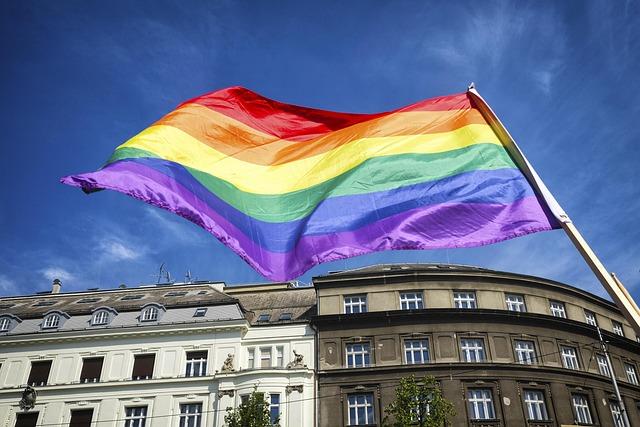
The Supreme Court has agreed to review a controversial West Virginia law that prohibits transgender athletes from participating in girls’ sports teams, marking a significant development in the ongoing national debate over transgender rights and athletic competition. The law, which has sparked heated legal battles and public discourse, raises critical questions about gender identity, fairness in sports, and state authority. This upcoming review by the highest court is expected to provide clarity on the constitutionality of such restrictions and their broader implications across the United States.
Supreme Court Sets Stage for Landmark Decision on Transgender Athletes in Girls Sports
The Supreme Court’s decision to hear the case challenging West Virginia’s law that prohibits transgender athletes from participating in girls’ sports marks a pivotal moment in the ongoing national debate. The legislation, which restricts transgender girls from competing on female school sports teams, has sparked intense legal battles and social discourse. Supporters argue the law protects fairness and competitive equity in women’s sports, while opponents contend it discriminates against transgender youth and violates civil rights protections under Title IX.
Experts suggest the upcoming ruling could set a significant precedent, influencing similar policies across other states and shaping how gender identity intersects with athletic participation. Key issues to be examined include:
- The definition of sex under federal law
- Balancing anti-discrimination protections with competitive fairness
- The role of medical and scientific evidence in policy-making
| Stakeholder | Position | Key Argument |
|---|---|---|
| West Virginia State Government | Supports the law | Protecting fairness for cisgender girls |
| Transgender Advocacy Groups | Oppose the law | Argue discrimination and violation of rights |
| Legal Experts | Divided | Focus on interpretation of Title IX and equal protection |
Legal Arguments and Social Implications Surrounding West Virginia’s Controversial Law
At the heart of the Supreme Court’s impending review lies a complex legal battle that interrogates the balance between gender identity rights and competitive fairness in sports. Proponents of West Virginia’s legislation argue that the law is essential to preserving equal opportunities for cisgender female athletes, contending that physiological differences could undermine fairness and safety in girls’ sports. Conversely, opponents assert that the law discriminates against transgender youth, violating constitutional protections such as the Equal Protection Clause and Title IX, which prohibits sex-based discrimination in education programs and activities. This clash has prompted vigorous debate about how states can regulate sports participation without infringing on civil rights, spotlighting divergent interpretations of federal law and constitutional guarantees.
Beyond the courtroom, the law’s social ramifications ripple across schools, communities, and families. Critics highlight potential psychological harm to transgender students, who face increased stigma and exclusion, while supporters emphasize the importance of maintaining a level playing field for female athletes. The controversy also raises broader questions regarding:
- How educational institutions can best accommodate diverse student identities
- The role of state governments in defining eligibility criteria for school sports
- The impact of legal rulings on national policy trends related to LGBTQ+ rights
| Stakeholder | Primary Concern | Legal Focus |
|---|---|---|
| Transgender Athletes | Inclusion and rights protection | Discrimination claims |
| Cisgender Female Athletes | Fair competition and safety | Equal opportunity under Title IX |
| State Legislators | Regulatory authority over schools | Balancing rights and fairness |
Expert Opinions on Fairness and Inclusivity in School Athletic Programs
Leading educators and legal analysts emphasize that fairness in school athletics must balance competitive integrity with inclusivity for all students. Experts argue that blanket bans on transgender athletes often fail to consider the nuanced biological, psychological, and social factors involved. Many advocate for tailored policies that assess individual eligibility rather than categorical exclusion, ensuring that no student is unfairly marginalized in pursuit of equal athletic opportunities.
In addition to fairness, inclusivity is increasingly viewed as essential for fostering positive developmental experiences in youth sports. Specialists highlight the importance of creating environments that promote respect and belonging, which can be supported by:
- Clear guidelines emphasizing respect and nondiscrimination
- Training for coaches and staff on gender diversity
- Collaborative decision-making with student-athletes and families
| Aspect | Considerations |
|---|---|
| Biological Factors | Hormone levels, puberty stage |
| Psychological Impact | Identity affirmation, mental health |
| Policy Flexibility | Case-by-case evaluation |
Recommendations for Policymakers Navigating Gender Identity and Competitive Equity
Policymakers face a delicate balancing act in crafting regulations that respect both the rights of transgender athletes and the integrity of competitive sports. It is crucial to base decisions on comprehensive scientific research and data that explore how gender identity and physiological factors intersect in athletic performance. Transparent and inclusive consultation with medical experts, sports organizations, and the transgender community can foster policies that uphold fairness without discrimination. Flexibility is essential, allowing policies to evolve as new evidence and social understanding emerge.
When developing frameworks, lawmakers should consider implementing tiered eligibility criteria that accommodate different levels of competition and age groups, reflecting the varying impact of hormone treatments and puberty. Below is a summary table highlighting key policy considerations for equitable sports participation:
| Policy Aspect | Key Considerations |
|---|---|
| Medical Criteria | Hormone levels, duration of treatment |
| Age Categories | Separate guidelines for youth, high school, collegiate |
| Competitive Level | Different standards for recreational vs. elite |
| Privacy & Respect | Confidentiality, anti-bullying measures |
| Ongoing Review | Adaptation based on scientific progress |
Ultimately, crafting policies that are fair and compassionate requires sustained dialogue and a commitment to protect the dignity of all athletes while maintaining a level playing field. The Supreme Court’s forthcoming review adds urgency to the need for well-reasoned guidelines that can serve as a national benchmark.
Closing Remarks
As the Supreme Court prepares to review the West Virginia law barring transgender athletes from girls’ sports, the decision is poised to have significant implications for athletes, schools, and state policies nationwide. Observers await a ruling that may clarify the balance between protecting competitive fairness and ensuring the rights of transgender individuals in the realm of youth sports. The case underscores the ongoing legal and social debates surrounding gender identity and athletic participation in the United States.