
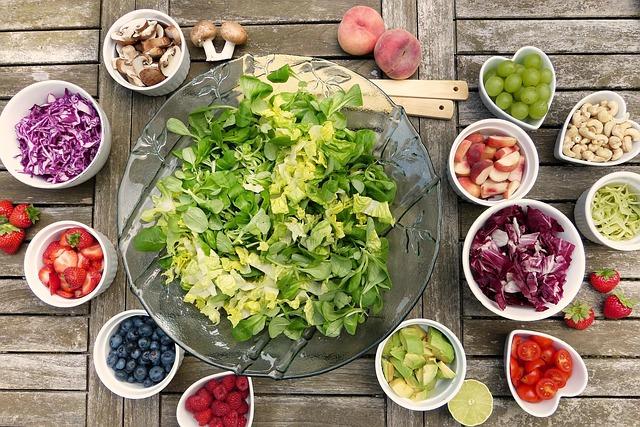
A growing number of athletes are trading traditional meat-heavy diets for plant-based alternatives, citing benefits that extend beyond ethical considerations. The Physicians Committee for Responsible Medicine highlights six compelling reasons why elite competitors are increasingly adopting vegan diets to enhance performance, recovery, and overall health. As the sports world takes note, this dietary shift signals a transformative trend in athletic nutrition with far-reaching implications.
Why Plant-Based Nutrition Is Gaining Ground Among Elite Athletes
Elite athletes are discovering that plant-based nutrition offers distinct advantages in performance and recovery, leading many to make the switch to vegan diets. Rich in antioxidants, vitamins, and minerals, plant-based foods help reduce inflammation and oxidative stress caused by intense training. This results in faster muscle repair and fewer injuries, enabling athletes to push their limits consistently. Moreover, a diet centered around whole plants provides ample complex carbohydrates, which serve as the primary energy source during endurance events, improving stamina without the detrimental effects commonly linked to processed foods.
Beyond individual benefits, adopting plant-based nutrition reflects a growing trend toward sustainability and ethical responsibility within the sports community. Many athletes highlight the alignment between their personal values and dietary choices, which now tie into broader concerns about environmental impact. Studies have also shown that plant-based diets can enhance cardiovascular health, helping maintain optimal blood flow and oxygen delivery during peak performance. Key components contributing to these benefits include:
- High fiber content promoting digestive health and steady energy release
- Plant-based proteins that support muscle maintenance and growth without excess saturated fat
- Phytonutrients offering potent anti-inflammatory properties
- Lower cholesterol levels enhancing heart efficiency
| Benefit | Impact on Athletes |
|---|---|
| Reduced inflammation | Less soreness, quicker recovery |
| Improved endurance | Longer training sessions with sustained energy |
| Enhanced cardiovascular health | Better oxygen transport and stamina |
| Ethical alignment | Stronger mental focus and motivation |
The Impact of Vegan Diets on Athletic Performance and Recovery
Recent studies increasingly highlight how a plant-based lifestyle supports both endurance and power athletes. A vegan diet, rich in antioxidants and anti-inflammatory compounds, helps reduce oxidative stress and muscle soreness after intense workouts. This translates into not just faster recovery times but also improved long-term joint health and resilience against overuse injuries. Furthermore, plant-based proteins from sources like lentils, quinoa, and chickpeas provide all essential amino acids necessary for muscle repair, dispelling the myth that animal proteins are superior for athletic gains.
Beyond recovery, athletes adopting vegan nutrition report enhanced energy levels and cardiovascular efficiency. Foods high in nitrates-such as beets and spinach-boost blood flow and oxygen delivery to muscles, improving stamina and endurance during competition. Below is a comparison of key performance and recovery benefits observed in vegan versus conventional diets, illustrating why more athletes are making the switch.
| Performance Aspect | Vegan Diet | Conventional Diet |
|---|---|---|
| Recovery Time | Shorter due to anti-inflammatory effects | Longer, higher inflammation |
| Protein Quality | Complete with plant combinations | Complete animal proteins |
| Cardiovascular Health | Improved via nitric oxide-rich foods | Varies; often higher cholesterol |
| Energy Levels | Consistent and sustained | Fluctuates with fat intake |
Addressing Common Concerns About Protein and Nutrient Intake
One of the most frequent concerns among athletes considering a vegan diet revolves around adequate protein and nutrient intake. Misconceptions persist that plant-based diets cannot supply sufficient protein or essential nutrients needed for performance and recovery. However, modern research and nutritional planning reveal that a diverse range of plant foods such as legumes, whole grains, seeds, and nuts can collectively meet and even exceed the recommended protein thresholds. Athletes are tapping into this diverse plant pantry to build muscle, enhance endurance, and optimize recovery without relying on animal-based sources.
In addition to protein, critical nutrients often questioned include iron, calcium, omega-3 fatty acids, and vitamin B12. Thoughtful supplementation and food choices can effectively bridge these gaps. For example:
- Iron: Found in lentils, spinach, and fortified cereals; absorption is enhanced when paired with vitamin C-rich foods.
- Calcium: Available in fortified plant milks, broccoli, and kale.
- Omega-3 fatty acids: Provided by chia seeds, flaxseeds, and walnuts.
- Vitamin B12: Obtainable through reliable supplementation or fortified products.
| Nutrient | Key Plant Sources | Notes |
|---|---|---|
| Protein | Beans, quinoa, tofu | Combine foods for complete amino acids |
| Iron | Lentils, spinach | Pair with vitamin C for absorption |
| Calcium | Fortified plant milk, kale | Essential for bone health |
| Omega-3 | Chia seeds, walnuts | Supports heart and brain function |
| Vitamin B12 | Fortified products, supplements | Essential to prevent deficiency |
Practical Tips for Transitioning to a Vegan Diet as an Athlete
Adopting a vegan lifestyle as an athlete can initially seem daunting, but with thoughtful planning, it becomes a powerful way to enhance both performance and recovery. Start by gradually incorporating plant-based protein sources such as lentils, chickpeas, tofu, and quinoa into your meals. Diversifying your nutrient sources ensures your body receives the amino acids essential for muscle repair and growth. Additionally, focusing on whole foods rather than processed vegan options helps maintain energy levels during intense training sessions. Don’t forget to stay vigilant about critical nutrients like vitamin B12, iron, and omega-3 fatty acids-these can be easily managed with fortified foods or supplements.
Time management and meal prep become crucial when transitioning to a vegan diet, especially with a demanding training schedule. Athletes often find success by:
- Batch cooking high-protein meals and snacks for the week
- Using smart substitutions like almond or oat milk instead of dairy
- Keeping easy-to-grab snacks like nuts, seeds, and dried fruit on hand for quick energy boosts
| Challenge | Vegan-Friendly Solution |
|---|---|
| Meeting Protein Needs | Combining legumes & whole grains |
| Vitamin B12 Deficiency | Fortified cereals & supplements |
| Maintaining Energy Levels | Complex carbs like sweet potatoes |
To Wrap It Up
As the evidence continues to mount in favor of plant-based nutrition, more athletes are making the switch to vegan diets to enhance performance, recovery, and overall health. From improved endurance to faster healing times, the reasons driving this shift reflect a broader commitment to both ethical and physical well-being. With organizations like the Physicians Committee for Responsible Medicine highlighting these benefits, the trend signals a significant change in how athletes fuel their bodies-one that could reshape the future of sports nutrition.