

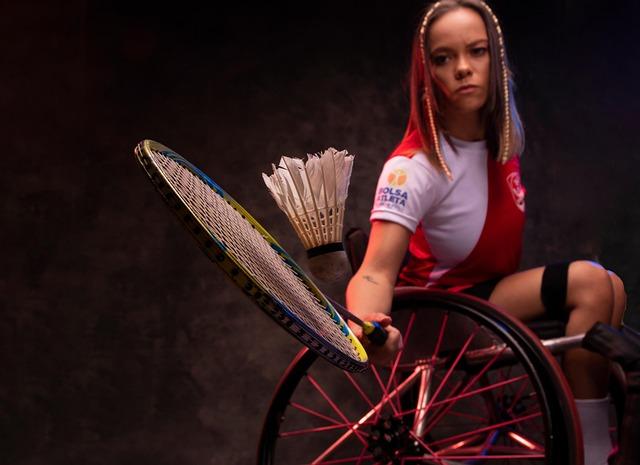
Italian Paralympic athletes have long grappled with the way their stories are told in the media, often emphasizing their disabilities over their sporting achievements. A recent study published in Frontiers sheds new light on these athletes’ perspectives, revealing a shared desire for coverage that focuses strictly on their athletic performance rather than personal challenges. The research highlights an important shift in the narrative, as Italy’s Paralympians call for media representation that respects their professionalism and competitive spirit. This article explores the findings and what they mean for the future of Paralympic media coverage in Italy.
Paralympic Athletes Call for Balanced Media Focus Beyond Disability
Italian Paralympic athletes have voiced a strong desire for media coverage that prioritizes their sporting achievements over their disabilities. Many feel that stories tend to highlight their physical conditions rather than their performance, which can unintentionally perpetuate stereotypes. “It should just be about sport!” resonates as a common plea, emphasizing the need for narratives that celebrate skill, strategy, and competitive excellence. Athletes urge journalists and broadcasters to focus on the intensity of the competition, training rigor, and the tactical nuances that define their disciplines.
In discussions with several medalists, three key media focus areas emerged:
- Athletic Performance: Detailed analysis of techniques, records, and milestones.
- Team Dynamics: The importance of collaboration, coaching, and support systems.
- Equal Representation: Positioning Paralympic sports alongside Olympic counterparts without undue emphasis on disability.
| Aspect | Current Media Focus | Athletes’ Preferred Focus |
|---|---|---|
| Personal Background | High | Moderate |
| Sporting Results | Moderate | High |
| Disability Details | High | Low |
| Training & Preparation | Low | High |
Challenging Stereotypes Through Authentic Sport Narratives
The voices of Italian Paralympic athletes are reshaping the narrative landscape, pushing back against long-standing stereotypes that often frame their achievements through oversimplified or pity-driven lenses. These athletes emphasize a desire for coverage that centers on their sporting abilities, competitive spirit, and tactical expertise rather than their disabilities. This shift aims to highlight their dedication, training regimens, and the nuances of their discipline, fostering a more nuanced appreciation of their performances. By focusing on their authentic experiences as athletes, the media can contribute to dismantling preconceived notions and promote a culture of equality in sports journalism.
Media outlets that adopt this approach often report meaningful changes in audience perception and engagement. The athletes’ insistence on narratives that respect their sporting professionalism sparks conversations around inclusion, representation, and respect. Core elements requested by athletes include:
- Technical analysis comparable to able-bodied sports coverage
- Recognition of competitive results without overemphasis on personal challenges
- Insight into team dynamics and strategic decision-making
- Balanced portrayal that avoids tokenism or inspirational clichés
| Aspect | Typical Stereotype | Authentic Narrative |
|---|---|---|
| Media Focus | Disability-centered stories | Performance and competition |
| Audience Impact | Sympathy and pity | Respect and admiration |
| Storytelling Tone | Inspirational clichés | Professionalism and expertise |
The Role of Journalists in Shaping Inclusive Paralympic Coverage
Journalists play a crucial role beyond merely reporting results at the Paralympic Games; they act as gatekeepers who can challenge stereotypes or inadvertently reinforce them. The Italian athletes interviewed emphasized a pressing need for media professionals to focus on athletic performance, skill, and competition intensity rather than the athletes’ disabilities or inspiring personal stories alone. This shift demands a conscientious effort from reporters to embrace terminology and narratives that respect the complexity and diversity of Paralympic sport. By highlighting athletic excellence and strategic prowess, journalists not only elevate the status of Paralympic athletes but also contribute to reshaping public perceptions.
Effective inclusive coverage thrives when journalists adopt a multifaceted approach that includes:
- Using language that centers on sportsmanship, not disability.
- Providing equal airtime and analysis comparable to able-bodied events.
- Engaging with athletes directly to represent their viewpoints authentically.
- Highlighting tactical nuances and competitive dynamics within events.
| Journalistic Practice | Impact on Coverage |
|---|---|
| Neutral, Sport-Focused Verbiage | Enhances respect and legitimacy |
| Balanced Storytelling | Promotes athletes’ individuality beyond disability |
| Direct Athlete Engagement | Ensures authentic representation |
Recommendations for Elevating Athlete Voices in Sports Media
To genuinely amplify the voices of Italian Paralympic athletes within sports media, fostering direct communication channels is essential. Media outlets must prioritize interviews and storytelling formats that allow athletes to share their experiences beyond mere results or disability narratives. This includes creating platforms such as athlete-led podcasts, social media takeovers, and interactive Q&A sessions, which provide unfiltered insight into their training, challenges, and aspirations. Additionally, journalists should undergo sensitivity and representation training to ensure their coverage respects athlete identity without reducing their stories to stereotypes.
Key strategies to advance athlete-centered media include:
- Incorporating athlete editorial roles to oversee content accuracy and authenticity
- Emphasizing diverse storytelling that highlights sport performance over physical differences
- Engaging athletes in media production workshops to build storytelling skills
- Partnering with Paralympic committees to spotlight athlete initiatives and achievements
| Recommendation | Impact |
|---|---|
| Athlete Editorial Roles | Enhances authenticity and trustworthiness |
| Training for Journalists | Promotes respectful and nuanced reporting |
| Interactive Media Platforms | Increases direct athlete engagement with fans |
| Collaborations with Paralympic Bodies | Boosts athlete visibility and outreach |
Insights and Conclusions
In shedding light on Italian Paralympic athletes’ perspectives, this article underscores the ongoing dialogue about how media frames disability in sport. While many athletes emphasize the desire for coverage that prioritizes athletic performance over impairment, the complexities of representation remain a key challenge. As Paralympic sport continues to grow in visibility, striking a balance between acknowledging athletes’ identities and celebrating their sporting achievements will be crucial. The conversation sparked by these voices invites media outlets, policymakers, and audiences alike to rethink narratives and ensure that coverage truly reflects the spirit of competition and excellence at the heart of the Games.