
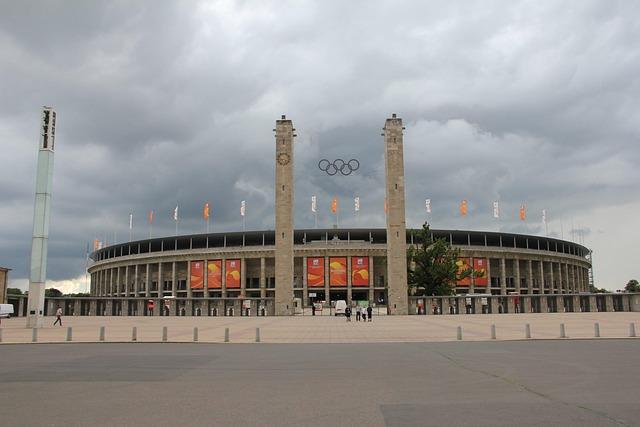
The International Olympic Committee (IOC) has announced a new policy stipulating that participation in women’s Olympic events will be restricted to athletes classified as “biological females.” This move marks a significant shift in the organization’s approach to gender eligibility, amid ongoing debates over fairness and inclusion in competitive sports. The policy, detailed in a recent statement covered by The Athletic and The New York Times, underscores the IOC’s effort to balance inclusivity with what it describes as the preservation of equitable competition in women’s categories.
IOC sets eligibility criteria restricting women’s Olympic events to biological females
The International Olympic Committee has formalized new guidelines that confine participation in women’s Olympic events to athletes classified as biological females. This move intensifies ongoing debates around gender identity and inclusivity in sports. According to the updated criteria, eligibility will be determined by birth certificates and legal documentation, effectively excluding transgender women who have transitioned after puberty from competing in female categories. The committee emphasized that these measures aim to preserve fairness and integrity within women’s competitions.
The decision has elicited a wide range of responses from athletes, advocacy groups, and national federations. Supporters argue that it protects competitive equity, while opponents warn it may marginalize transgender athletes and foster division. To clarify the framework, the IOC provided a summary of eligibility requirements:
- Verification of female birth sex through official records
- Restriction of participation to individuals assigned female at birth
- Ongoing monitoring to ensure compliance with the criteria
| Category | Eligibility | Exceptions |
|---|---|---|
| Women’s Individual Events | Only biological females | None |
| Mixed-Gender Events | Open to all athletes | Not applicable |
| Women’s Team Sports | Biological females only | Pending review by governing bodies |
Implications for transgender athletes and international sports policies
The International Olympic Committee’s recent move to restrict women’s events exclusively to “biological females” marks a significant shift in international sports governance, with far-reaching consequences for transgender athletes worldwide. This policy change reignites the debate over fairness, inclusion, and competitive equity, placing transgender women at the heart of a complex ethical and scientific discussion. Sports organizations across the globe now face pressure to swiftly adapt their regulations, balancing respect for human rights with the integrity of competition. Critics argue that this decision could lead to increased marginalization, while supporters believe it safeguards a level playing field for cisgender women.
National and international federations must navigate a patchwork of regulations moving forward, often influenced by cultural attitudes and legal frameworks regarding gender identity. The policy introduces challenging questions for the future of transgender participation, including:
- Eligibility criteria: How to define and verify “biological female” status?
- Consistency: Ensuring uniform application across diverse sports and countries.
- Support systems: Providing mental health and career resources for affected athletes.
The impact will inevitably ripple beyond the Olympics, shaping national sports policies and athletic funding priorities. This evolving landscape demands ongoing dialogue among stakeholders to foster an environment that respects both inclusion and fairness.
| Aspect | Potential Impact |
|---|---|
| Eligibility Verification | Heightened scrutiny, potential privacy concerns |
| Legal Challenges | Increase in human rights litigation cases |
| International Consistency | Varied policies creating competitive imbalances |
| Athlete Support | Greater need for counseling and transition assistance |
Reactions from advocacy groups and calls for inclusive reforms
Advocacy groups swiftly condemned the International Olympic Committee’s announcement, expressing concern over the exclusionary impact of limiting women’s events strictly to “biological females.” Many argued that the decision undermines the progress made toward inclusivity and poses significant challenges for transgender athletes who have long fought for recognition and acceptance in competitive sports. Organizations such as Athlete Equality Now and Trans Sports Alliance released statements urging the IOC to reconsider its stance and embrace policies that allow for greater diversity without compromising fairness.
- Demand for inclusive eligibility criteria: Advocates want guidelines that factor in hormone levels and individual circumstances rather than relying solely on biological classification.
- Calls for transparency: Transparency in policy development and athlete consultation are emphasized as essential steps for equitable decision-making.
- Emphasis on mental health: The psychological impact on transgender athletes excluded from competition is highlighted as a critical issue.
In response, groups have outlined a framework of inclusive reforms aimed not only at fair competition but also at fostering a supportive environment for all athletes. The following table summarizes their key recommendations:
| Reform Area | Proposed Action | Expected Outcome |
|---|---|---|
| Eligibility Criteria | Use hormone levels and physiological metrics | Fair inclusion of transgender athletes |
| Policy Transparency | Engage athlete representatives in policy formation | Increased trust and acceptance |
| Mental Health Support | Provide counseling and resources | Improved well-being of athletes |
Recommendations for balancing fairness and inclusion in future competitions
Striking a balance between fairness and inclusion requires proactive policy-making that reflects both scientific insights and the lived experiences of athletes. Sports governing bodies should prioritize clear, transparent criteria based on biological markers while simultaneously fostering an environment where all athletes feel respected and valued. This includes regularly reviewing eligibility rules with input from medical experts, athletes, and advocacy groups to ensure they evolve alongside emerging research and societal shifts.
To facilitate this delicate equilibrium, organizing committees might consider implementing:
- Educational programs about gender diversity and fairness in competition.
- Dedicated support systems for transgender and intersex athletes, ensuring mental health and well-being are prioritized.
- Alternative competition categories or mixed events that recognize diversity without compromising competitive integrity.
| Key Focus | Recommendations |
|---|---|
| Eligibility | Scientific guidelines, periodic review |
| Inclusion | Support programs, open dialogue |
| Competition Format | Alternative categories, mixed events |
Key Takeaways
As the International Olympic Committee solidifies its stance on eligibility, limiting women’s Olympic events to athletes classified as “biological females,” the decision marks a pivotal moment in the ongoing debate over gender, fairness, and inclusion in sports. Advocates and critics alike continue to weigh the implications for athletes, governing bodies, and the future of competition. The evolving dialogue underscores the complex challenges the Olympic movement faces in balancing integrity with diversity on the world’s most prestigious athletic stage.