
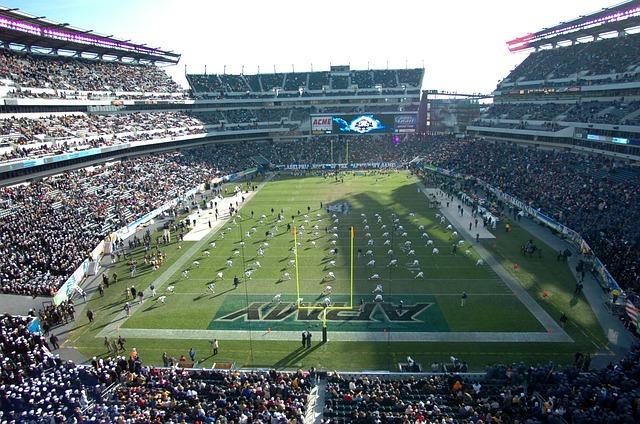
As Philadelphia continues to cement its reputation as a passionate sports city, a growing debate has emerged around the future of its collegiate athletics. Advocates argue that if the city truly wants to claim the title of the nation’s best sports hub, it must take bold steps to support its student-athletes – including providing them with adequate funding and resources. This conversation has intensified in light of ongoing discussions about amateurism, equity, and the role of college sports in Philadelphia’s vibrant athletic landscape.
Philadelphia’s Sports Future Hinges on Investing in Local Student-Athletes
Philadelphia’s prominence in the national sports landscape depends heavily on its ability to nurture talent from the ground up. Yet, local student-athletes often face a lack of proper funding, hindering their development and potential pathways to professional careers. Investment in training facilities, access to quality coaching, and educational support can provide a lifeline to underserved communities, fostering not only athletic excellence but lifelong opportunities beyond the game. City officials and private stakeholders must recognize that a robust youth sports infrastructure is the cornerstone of sustained regional success.
Several key areas demand immediate attention:
- Scholarship programs to ease financial burdens on promising athletes.
- Enhanced athletic facilities available across public schools and community centers.
- Mentorship initiatives connecting youth with alumni professionals.
- Health and wellness services tailored to young competitors’ needs.
| Investment Area | Current State | Potential Impact | |||||||||||||||||||||||||||||||||||||||
|---|---|---|---|---|---|---|---|---|---|---|---|---|---|---|---|---|---|---|---|---|---|---|---|---|---|---|---|---|---|---|---|---|---|---|---|---|---|---|---|---|---|
| Training Facilities | Outdated, underfunded | Improved skills, injury prevention | |||||||||||||||||||||||||||||||||||||||
| Scholarship Availability | Limited, highly competitive | Inclusivity, reduced dropout rates | |||||||||||||||||||||||||||||||||||||||
| Mentorship Programs | Scattered, inconsistent | Career guidance, stronger networks |
| Financial Barrier | Impact on Athletes | Proposed Solution |
|---|---|---|
| Equipment Costs | Limits training quality | Community gear donation drives |
| Travel Expenses | Restricts competition exposure | Transportation grants |
| Training Fees | Reduced skill development | Subsidized coaching programs |
Fostering partnerships between local government, businesses, and educational institutions can create dedicated funds and support systems. This collaborative approach will ensure Philadelphia’s youth athletes are equipped not just to compete but to dominate-turning the city into a true hub of sports excellence. Bold financial commitment today is critical to unlocking a future where Philadelphia doesn’t just participate in the sports conversation but leads it.
Community and Institutional Roles in Supporting Student-Athlete Development
At the heart of Philadelphia’s ambition to become the premier sports city lies a collective responsibility shared by community organizations, educational institutions, and local governments. These stakeholders must unite in crafting comprehensive support systems that go beyond athletic training, encompassing academic tutoring, mental health resources, and career development programs tailored for student-athletes. Community centers and youth leagues can act as pivotal platforms for early talent identification and mentorship, ensuring that young athletes from diverse backgrounds have equitable access to opportunities. Without cohesive collaboration, the city risks stalling the growth of its future sports champions.
Key support pillars include:
- Scholarship programs funded by both public and private sectors to alleviate financial burdens.
- Access to top-tier coaching and facilities maintained through institutional investment.
- Integrated health and wellness initiatives, emphasizing mental resilience alongside physical conditioning.
| Support Element | Primary Role | Impact on Student-Athletes |
|---|---|---|
| Community Mentorship | Guidance and motivation | Boosts confidence and goal-setting skills |
| Institutional Scholarship | Financial aid for education | Reduces dropout rates, encourages academic success |
| Health & Wellness | Holistic physical and mental care | Increases performance longevity and wellbeing |
Policy Changes Needed to Ensure Equitable Funding and Long-Term Success
To elevate Philadelphia’s status as a top-tier sports city, decision-makers must implement policy reforms that guarantee fair and sustained investment in student-athlete programs across all schools and communities. This entails reworking budget allocations to close funding gaps between affluent and underserved districts. Doing so ensures that talent from every background has access to quality facilities, coaching, and academic support. Without consistent and equitable financial commitment, promising athletes risk being overlooked, ultimately stunting the city’s potential to produce elite sports professionals.
Key strategies should include:
- Establishing a transparent funding formula that prioritizes need and opportunity.
- Implementing accountability measures to monitor the use of funds and program outcomes.
- Promoting partnerships between public schools, local businesses, and sports organizations to diversify resources.
- Creating scholarship and grant initiatives targeted at student-athletes from marginalized communities.
| Policy Area | Current Challenge | Proposed Change |
|---|---|---|
| Funding Allocation | Inconsistent across districts | Needs-based funding model |
| Facilities | Unequal access to quality venues | Citywide facility improvement program |
| Support Services | Lack of academic and health resources | Integrated athlete wellness initiatives |
| Community Engagement | Limited collaboration with stakeholders | Expanded public-private partnerships |
In Conclusion
As Philadelphia continues to build its reputation as a top-tier sports city, addressing the funding and support of its student-athletes emerges as a critical step. Ensuring these young talents receive the resources and recognition they deserve is not just an investment in individual futures but a commitment to the city’s athletic legacy. Without such support, Philadelphia risks falling short of its ambition to lead in the competitive world of sports. The path forward will require collaboration between policymakers, educational institutions, and the community to empower its next generation of champions.
Related Posts