


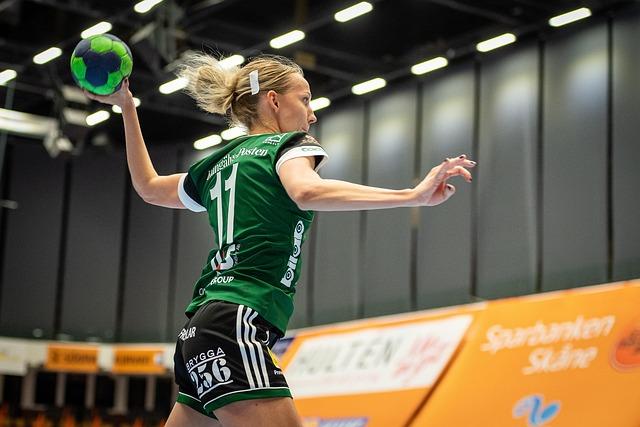
Sport England has launched a new initiative aimed at tackling the persistent underrepresentation of Black women and girls in sports across the country. Despite the well-documented benefits of physical activity, participation rates among this group remain significantly lower compared to their peers. The program seeks to address the barriers that prevent Black women and girls from accessing and engaging in sports, promoting greater inclusivity and equal opportunities within the sporting landscape. This move highlights a growing commitment to diversity and equality in British sport.
Barriers Facing Black Women and Girls in Accessing Sport
Despite growing awareness, Black women and girls continue to face a complex web of obstacles that limit their participation in sport. Systemic issues such as racial bias and cultural stereotyping often result in exclusion from sports environments, which are predominantly shaped by perspectives that do not reflect their experiences. Additionally, socio-economic factors, including limited access to quality facilities and financial constraints, disproportionately affect their opportunities to engage in regular physical activity. The lack of visible role models and culturally inclusive programs further amplifies feelings of alienation, making it harder for many to envision themselves in these spaces.
Key barriers include:
- Limited representation in coaching and leadership roles
- Insufficient outreach in diverse communities
- Societal pressures around gender and athleticism
- Inadequate support networks and mentorship
- Safety concerns in public sporting spaces
| Barrier | Impact | Suggested Action |
|---|---|---|
| Representation | Lower motivation & visibility | Hire diverse coaches & promote role models |
| Socio-economic | Limited access to facilities | Subsidize programs and provide equipment |
| Cultural Bias | Exclusion from sports culture | Develop inclusive and tailored initiatives |
The Impact of Representation and Role Models in Sport Participation
Visibility matters. When young black girls see women who look like them excelling in various sports, it nurtures a sense of belonging and possibility. Unfortunately, the scarcity of black female role models in mainstream sports coverage contributes to a cycle of underrepresentation and disengagement. This lack of representation sends an unintended message that sport is “not for them,” which diminishes participation rates and stifles potential. To break this pattern, it’s crucial to spotlight black women athletes’ achievements and promote their stories beyond the traditional sports headlines.
Organizations and communities must champion initiatives that amplify impactful role models and create supportive environments. Evidence suggests that supportive mentorship and visible success stories inspire higher commitment to sports among black girls. Here’s why representation makes a difference:
- Increased confidence: Seeing relatable role models breeds belief in one’s own abilities.
- Breaking stereotypes: Challenges existing biases about black women’s participation in sport.
- Retention boost: Sustains engagement by fostering a welcoming culture.
| Impact Area | Effect on Participation |
|---|---|
| Visibility | +30% increase in new participants |
| Mentorship programs | Retention improved by 45% |
| Media coverage | Enhanced public perception & inclusion |
Community-Led Initiatives Driving Inclusion and Opportunity
Grassroots organizations across the country are breaking down barriers that have long prevented Black women and girls from fully participating in sporting activities. These groups are championing tailored programs that not only foster physical health but also nurture confidence, leadership, and community connection. By prioritizing safe spaces and culturally relevant coaching, these initiatives are reshaping perceptions around who belongs in sport.
Key strategies driving success include:
- Collaborative outreach with local schools and community centers
- Mentorship programs led by Black female athletes and coaches
- Flexible scheduling to accommodate diverse lifestyles and commitments
- Access to tailored equipment and facilities sensitive to cultural needs
| Initiative | Focus Area | Impact |
|---|---|---|
| Sisters on Stride | Running clubs for youth | +45% participation increase in 12 months |
| Bounce Back Basketball | Mentorship and coaching | 80% retention rate of participants |
| GoalHer Academy | Football skills and scholarships | 10 scholarships awarded in 2023 |
Policy Recommendations to Create Equitable Sporting Environments
To foster sporting environments where Black women and girls can thrive, institutions must prioritize inclusive policies that dismantle systemic barriers. This includes targeted funding for grassroots programs in underserved communities, investment in mentorship initiatives led by Black female athletes, and mandatory cultural competency training for coaches and administrators. Moreover, creating safe spaces that acknowledge and address the unique experiences of Black women-free from discrimination and stereotyping-is essential to nurturing participation and retention in sport.
Policymakers and sporting bodies should also adopt transparent monitoring frameworks to measure progress on equity goals. The table below outlines key focus areas with actionable steps that can help reshape the landscape of sport:
| Focus Area | Policy Action | Expected Outcome |
|---|---|---|
| Access & Facilities | Allocate funds for equipment and local venues | Increased participation rates |
| Representation | Recruit Black women in leadership roles | Enhanced role models and mentorship |
| Education & Awareness | Implement anti-bias and inclusivity training | Reduced discrimination in sport |
| Data & Accountability | Publish diversity metrics annually | Improved transparency and progress tracking |
In Retrospect
As Sport England continues to emphasize the importance of inclusive participation, addressing the barriers faced by Black women and girls in sport remains a critical priority. Closing the gap not only fosters equality but also enriches the sporting community as a whole. With targeted investment and sustained commitment, the aim is clear: ensuring that every Black woman and girl has the opportunity to benefit from the physical, social, and mental rewards that sport can offer. The coming years will be pivotal in transforming these ambitions into tangible change.