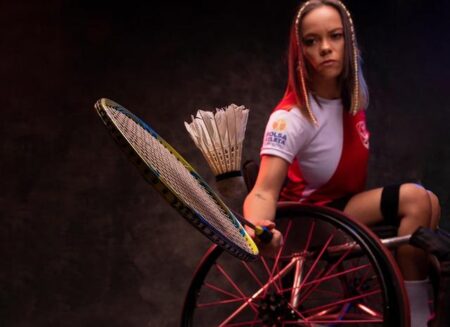

In New Jersey, women hold just 15% of athletic director positions, a striking disparity in a field long dominated by men. Despite the barriers, a growing number of women are breaking through the glass ceiling to lead high school sports programs across the state. This article explores the challenges they face, the strategies they’ve employed to succeed, and the impact their leadership is having on student-athletes and school communities.
Female Athletic Directors in New Jersey Face Persistent Gender Gap
In New Jersey, the pipeline of female athletic directors remains critically narrow, with women holding just 15% of these leadership roles in high schools and colleges. Despite the low representation, many women have persevered through systemic challenges, including entrenched gender biases, lack of mentorship, and limited networking opportunities. Their journeys reveal a blend of resilience, strategic career moves, and a commitment to shifting the culture within athletic departments traditionally dominated by men.
Breaking through has often involved a combination of:
- Building strong mentorship networks that provide guidance and open doors to higher-level positions.
- Advocating for policy changes that promote diversity and equitable hiring practices.
- Demonstrating results-driven leadership through program success and athlete development.
| Year | Female ADs (%) | Notable Barrier |
|---|---|---|
| 2015 | 12% | Lack of mentorship |
| 2018 | 13.5% | Bias in hiring |
| 2023 | 15% | Networking gaps |
Strategies Behind Breaking Barriers in School Sports Leadership
Women who have shattered ceilings in school sports leadership often cite the power of mentorship programs and professional networks tailored specifically for female athletic directors. These platforms not only create avenues for knowledge exchange but also foster resilience and confidence. By connecting with seasoned leaders, many emerging directors gain critical insights into navigating institutional politics and advocating for equitable resources. Facilitating workshops on leadership skills and negotiation tactics is another cornerstone strategy that has equipped women to assert their vision effectively within traditionally male-dominated athletic departments.
Additionally, the champions of change emphasize the role of institutional support in breaking down barriers. Schools that implemented inclusive hiring practices and prioritized diversity in leadership cultivated environments where women could thrive. The integration of flexible work policies and family-friendly schedules further dismantled long-standing obstacles related to work-life balance. Below is a brief overview of the strategies most cited by successful female athletic directors:
| Strategy | Key Benefit |
|---|---|
| Mentorship & Networking | Access to guidance and support |
| Leadership Training | Enhanced negotiation & management skills |
| Inclusive Hiring | More equitable opportunities |
| Flexible Work Policies | Improved work-life integration |
Building Inclusive Hiring Practices to Encourage Diversity
Efforts to increase diversity among athletic directors in New Jersey highlight the critical need for inclusive hiring practices. Organizations are increasingly adopting strategies that go beyond traditional candidate pools, focusing on embracing diverse experiences and perspectives. This approach includes blind resume reviews, structured interviews, and ensuring diverse hiring panels, all tailored to mitigate unconscious bias. Advocates point out that fostering environments where non-traditional candidates feel valued leads to richer decision-making and improved community engagement in athletics.
Companies and school districts breaking barriers have implemented targeted initiatives such as mentorship programs, leadership development tailored for underrepresented groups, and flexible job criteria that recognize transferable skills over conventional qualifications. Key steps in their approach include:
- Proactive outreach to women’s sports networks and diversity-focused career fairs
- Training hiring managers on cultural competency and equity
- Regularly reviewing and updating job descriptions to eliminate gendered language
- Tracking and publicly reporting diversity metrics to encourage accountability
| Strategy | Impact |
|---|---|
| Blind Resume Reviews | Reduced bias, increased diverse shortlists |
| Mentorship Programs | Boosted confidence and retention of female candidates |
| Diverse Hiring Panels | Broader perspectives, fairer evaluations |
| Equity Training | |
| Equity Training | Enhanced cultural competency and reduced unconscious bias |
| Blind Resume Reviews | Reduced bias, increased diverse shortlists |
| Mentorship Programs | Boosted confidence and retention of female candidates |
| Diverse Hiring Panels | Broader perspectives, fairer evaluations |
| Equity Training | Enhanced cultural competency and reduced unconscious bias |
| Support Element | Impact |
|---|---|
| Mentorship Programs | Building leadership skills and career confidence |
| Peer Networks | Providing emotional support and shared resources |
| Professional Workshops | Enhancing knowledge on industry trends and best practices |
| Advocacy Groups | Creating opportunities for visibility and policy influence |
In Conclusion
As New Jersey’s athletic departments continue to evolve, the stories of the women who have broken through longstanding barriers offer both inspiration and a roadmap for greater inclusion. While just 15% of athletic directors in the state are women, their growing presence signals a slow but steady shift toward gender equity in sports leadership. Continued efforts to support and promote diverse candidates remain essential to ensuring that the leadership of tomorrow truly reflects the athletes and communities it serves.
Related Posts