
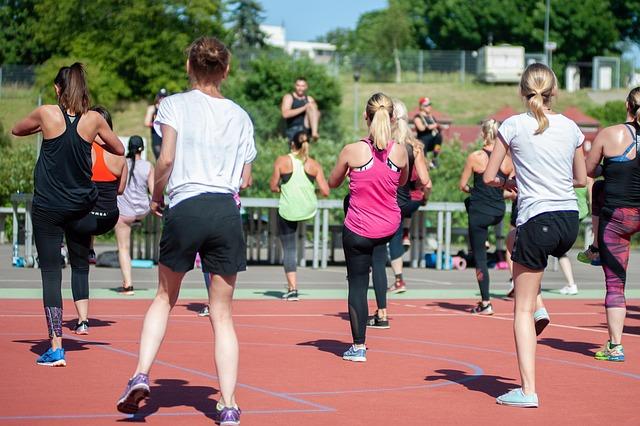
As millions around the world observe Ramadan, athletes face the unique challenge of maintaining peak performance while fasting from dawn to sunset. In this installment of the LA Galaxy Performance Blog, presented by Herbalife, we delve into the critical intersection of sports performance and nutrition during Ramadan. Experts and players alike share insights and strategies on how to balance rigorous training schedules with the nutritional demands imposed by fasting, ensuring both health and competitive edge remain uncompromised throughout the holy month.
Optimizing Energy Levels for Athletes Observing Ramadan
Maintaining consistent energy levels during Ramadan can be a challenge for athletes, but strategic nutrition and hydration practices are key to sustaining peak performance. Prioritizing complex carbohydrates during Suhoor helps provide a slow, steady release of energy throughout the day, while incorporating lean proteins supports muscle repair and endurance. Additionally, including healthy fats like nuts and seeds can aid in prolonged satiety and stabilize blood sugar levels. Timing meals to maximize nutrient absorption is crucial-athletes should focus on nutrient-dense, easily digestible foods to avoid gastrointestinal discomfort and maintain optimal energy.
Hydration strategy plays an equally vital role as nutrient intake. Consuming ample fluids during non-fasting hours ensures proper muscle function and cognitive alertness. Consider integrating electrolyte-rich beverages or natural sources such as coconut water to replenish essential minerals lost through sweat. Below is a quick guide to fueling and hydrating effectively:
| Meal Time | Recommended Nutrients | Hydration Tips |
|---|---|---|
| Suhoor (Pre-Dawn) | Oats, eggs, avocado, nuts | Water, herbal teas, dates for quick energy |
| Iftar (Breaking Fast) | Hydrating fruits, lean protein, whole grains | Oral rehydration solution or electrolyte drinks |
| Post-Iftar | Light snacks, yogurt, smoothies | Continue sipping water to maintain balance |
Hydration Strategies to Maintain Peak Performance During Fasting
Maintaining optimal hydration during fasting periods requires strategic planning, especially for athletes aiming to sustain peak performance. Prioritize fluid intake during non-fasting hours by drinking water steadily rather than consuming large amounts at once, to enhance absorption and retention. Incorporate electrolyte-rich beverages like coconut water or Herbalife’s tailored hydration solutions to replenish sodium, potassium, and magnesium lost through sweat. Avoid caffeinated drinks before fasting periods as they increase fluid loss and can lead to premature dehydration. Proper hydration not only supports muscle function but also helps regulate body temperature and cognitive focus during training and matches.
Implementing smart hydration practices can be simplified with the following routine:
- Pre-fast: Consume 500-600 ml of water with electrolytes 30 minutes before dawn.
- Post-fast: Rehydrate immediately after sunset with 400 ml of water, focusing on electrolyte balance.
- Throughout the night: Sip fluids regularly, balancing pure water and electrolyte drinks.
| Timeframe | Recommended Fluids | Hydration Goal |
|---|---|---|
| Suhoor (Pre-dawn) | Electrolyte water, Herbalife hydration mix | Prepare body with sustained fluid balance |
| Iftar (Post-sunset) | Water, coconut water, Herbalife protein shake | Rapid rehydration and energy restoration |
| Between Iftar and Suhoor | Steady sips of water and herbal teas | Maintain hydration without overloading kidneys |
Tailored Nutrition Plans to Support Recovery and Muscle Maintenance
For athletes observing Ramadan, nutrition strategies must be meticulously designed to optimize both recovery and muscle maintenance during fasting hours. Customized meal plans focus on incorporating nutrient-dense foods rich in protein, healthy fats, and complex carbohydrates to sustain energy levels and promote muscle repair when breaking the fast. Emphasis is placed on timing nutrient intake around suhoor (pre-dawn meal) and iftar (post-sunset meal) to maximize nutrient absorption and support glycogen replenishment.
Key components of these tailored plans include:
- High-quality proteins: Lean meats, legumes, and dairy to aid muscle synthesis.
- Hydrating foods: Fruits and vegetables with high water content to maintain hydration.
- Complex carbohydrates: Whole grains and fiber-rich foods to provide sustained energy release.
- Electrolyte balance: Inclusion of natural sources like dates and nuts to replenish lost minerals.
| Meal | Focus | Examples |
|---|---|---|
| Suhoor | Energy Sustenance | Oatmeal with nuts, boiled eggs, and a glass of milk |
| Iftar | Rehydration & Recovery | Grilled chicken, quinoa salad, dates, and water |
| Post-Tarawih Snack | Muscle Repair | Greek yogurt with honey and mixed berries |
Balancing Training Schedules with Suhoor and Iftar Meals
Optimizing training during Ramadan requires careful timing around the pre-dawn and sunset meals to sustain energy and maximize recovery. Coaches and athletes are encouraged to prioritize lighter, nutrient-dense foods at Suhoor to fuel morning sessions without discomfort. Complex carbohydrates, lean proteins, and hydrating fruits such as dates and watermelon provide a balanced mix of slow-release energy and essential hydration. Evening workouts are best scheduled after Iftar, allowing for replenishment of glycogen stores and muscle repair through a well-rounded meal enriched with proteins, healthy fats, and antioxidants.
Adapting training loads to the natural ebb and flow of fasting can enhance performance while minimizing fatigue. Athletes might consider integrating:
- Lower intensity drills during fasting hours
- Shorter, focused sessions to maintain conditioning
- Stretching and recovery routines for injury prevention
Below is a simple guideline to help balance meal timing and training intensity throughout Ramadan:
| Time | Suggested Activity | Nutrition Focus |
|---|---|---|
| Pre-Suhoor | Light Stretching & Mobility | Hydration, Complex Carbs |
| After Suhoor | Morning Skill Training (Low-Moderate Intensity) | Slow-releasing energy foods |
| Daytime Fasting | Rest or Recovery Sessions | Hydration Focus (Pre-fasting) |
| Post-Iftar | High-Intensity Training & Strength | Protein & Antioxidant-rich Foods |
| Before Sleep | Recovery & Stretching | Light Protein & Hydration |
Final Thoughts
As Ramadan continues to intersect with athletes’ rigorous training schedules, the importance of tailored nutrition and performance strategies becomes ever more critical. The insights shared by the LA Galaxy Performance team, in partnership with Herbalife, highlight how careful planning and scientifically-backed approaches can help players maintain peak condition during this period of fasting. By balancing hydration, nutrient timing, and recovery, athletes can honor their cultural and religious commitments without compromising on performance. As the season progresses, these practices offer a valuable blueprint not only for Muslim athletes but for sports professionals worldwide navigating similar challenges. Stay tuned to the LA Galaxy Performance Blog for ongoing expert advice and updates on optimizing athletic success in every circumstance.