
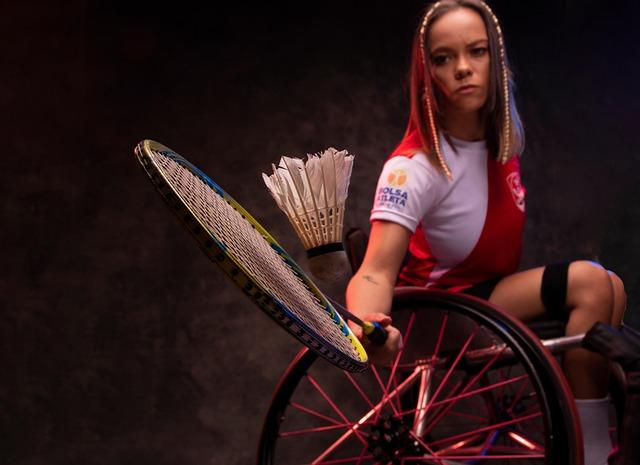
As the NCAA’s Name, Image, and Likeness (NIL) policies continue to reshape the landscape of collegiate athletics, Division III programs and athletes face unique challenges and opportunities. Unlike their Division I counterparts, D-III schools often operate with fewer resources and different recruiting dynamics, making the navigation of NIL deals more complex. This article explores how Division III athletes and programs can adapt to the evolving NIL era, balancing compliance, competitiveness, and the traditional values that define Division III sports.
Navigating NIL Opportunities Within Division III’s Unique Framework
Division III athletes face a distinctive landscape compared to their Division I and II counterparts when it comes to Name, Image, and Likeness (NIL) opportunities. Without athletic scholarships and with a focus on balancing academics and athletics, D-III student-athletes must be strategic, leveraging smaller local partnerships and their personal networks to build authentic NIL brands. Programs can support this by educating athletes about compliance and local market engagement while encouraging creativity in areas like coaching clinics, community appearances, and digital content creation.
Key strategies for navigating this era include:
- Partnering with small businesses and local nonprofits for endorsements or ambassador roles
- Creating athlete-driven content to build personal followings on social platforms
- Utilizing on-campus resources such as career services and entrepreneurship centers
- Hosting NIL workshops to promote awareness and compliance with NCAA guidelines
| Opportunity Type | Example | Benefit |
|---|---|---|
| Local Endorsements | Sports equipment shop sponsorship | Builds community ties |
| Digital Content | Instagram training tips | Expands personal brand |
| Community Engagement | Youth coaching clinics | Develops leadership skills |
Balancing Amateurism and Athlete Empowerment in Smaller Programs
Smaller Division III programs face a unique challenge: preserving the core values of amateurism while ensuring their athletes have access to the opportunities brought by the evolving Name, Image, and Likeness (NIL) landscape. Unlike their Division I counterparts, these programs often lack the vast marketing resources and fanbases, making it imperative to foster localized and community-driven endorsements. By partnering with local businesses and alumni networks, D-III athletes can build genuine, smaller-scale NIL ventures that complement rather than conflict with the institution’s amateur ethos.
To successfully navigate this balance, programs should focus on educating athletes about responsible NIL engagement without compromising their academic and athletic commitments. The following strategies can help guide this delicate process:
- Transparent NIL policies: Clear guidelines outlining permissible activities to safeguard program integrity.
- Collaborative workshops: Training sessions involving compliance staff, athletes, and local stakeholders.
- Community-first marketing: Emphasizing partnerships that reflect shared values and mission alignment.
- Data tracking: Monitoring endorsements to prevent conflicts and ensure compliance with NCAA and institutional rules.
| Focus Area | Benefit | Example |
|---|---|---|
| Local Partnerships | Community Engagement | Sponsored youth clinics by local sports shops |
| Educational Programs | Compliance & Awareness | Monthly NIL legal workshops |
| Policy Transparency | Prevent Violations | Clear NIL handbooks for athletes |
| Monitoring Tools | Risk Management | NIL activity tracking software |
Leveraging Local Partnerships to Maximize NIL Benefits for D-III Athletes
For Division III athletes, the key to unlocking the full potential of Name, Image, and Likeness (NIL) opportunities lies within their own communities. Local businesses, nonprofits, and service providers present untapped avenues for partnerships that align with an athlete’s personal brand and values. Smaller-scale endorsements, appearances, and collaborations may not rival the high-profile deals seen at the Division I level but can provide meaningful income streams while enhancing community engagement. By forging authentic connections, athletes not only boost their visibility but also foster a sustainable support network that can grow alongside their careers.
Programs and athletes alike can adopt strategic approaches to maximize these local partnerships:
- Identify community-centric brands that share athletes’ interests and values
- Leverage social media to amplify joint campaigns and events
- Develop educational workshops with local partners to enhance athlete marketability
- Encourage storytelling that highlights both athletic and personal growth within the community
| Partnership Type | Potential Benefit | Example |
|---|---|---|
| Local Retail Sponsorship | In-store promotions and endorsements | Sports equipment shop featuring athlete gear |
| Community Event Appearances | Paid speaking or coaching sessions | Youth sports clinics hosted by local club |
| Collaborative Social Media Campaigns | Broader reach, stronger brand presence | Partnership with a nearby fitness center |
Building Institutional Support Systems to Sustain Long-Term NIL Success
Colleges and athletic departments must prioritize creating robust institutional support systems that empower Division III athletes to navigate the complexities of NIL opportunities responsibly and effectively. Establishing dedicated NIL advising offices staffed with compliance experts, marketing professionals, and legal advisors will ensure athletes understand NCAA guidelines while maximizing their potential. These support teams can offer tailored workshops on personal branding, contract negotiations, and financial literacy, building a sustainable foundation beyond immediate deals. Such comprehensive support encourages long-term success rather than short-term gains, fostering athlete growth both on and off the field.
Additionally, collaboration between athletic programs and academic units can develop transparent frameworks that integrate NIL activities with student-athlete responsibilities. By implementing clear protocols, schools can address concerns around equity and compliance while promoting fair access to opportunities. Institutional approaches might include:
- Centralized NIL clearance processes to protect athlete eligibility
- Partnerships with local businesses for community-based endorsements
- Ongoing education on ethical use of social media and personal information
- Resources for mental health support amid rising athlete visibility
Such strategies not only protect athletes but also enhance the credibility and sustainability of NIL within D-III programs.
Final Thoughts
As the NCAA’s NIL landscape continues to evolve, Division III athletes and programs face unique challenges and opportunities distinct from their Division I counterparts. By fostering education, promoting compliance, and encouraging creative partnerships, D-III institutions can empower their athletes to navigate the NIL era effectively while preserving the core values of their programs. Staying informed and adaptable will be essential as these changes reshape the collegiate sports environment for years to come.