
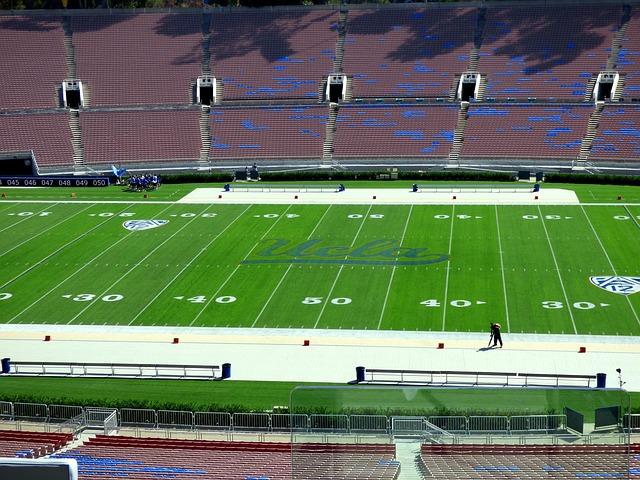
The recent unraveling of the Pac-12 conference has once again cast a spotlight on the deep-rooted dysfunctions within college sports. Once hailed as a bastion of collegiate athletic competition on the West Coast, the Pac-12’s rapid decline-from high-profile program departures to leadership turmoil-exposes systemic flaws that extend far beyond a single league. This latest implosion underscores a growing consensus that the current model of college athletics operates less as a fair competition and more as a chaotic battlefield driven by financial interests, fractured governance, and an ever-widening gap between institutional priorities and athlete welfare. As the Pac-12 crisis unfolds, it offers a stark reminder of the farcical nature underlying the spectacle of college sports today.
Pac-12 Collapse Exposes Deep Structural Flaws in College Athletics
The unraveling of the Pac-12 conference isn’t just a seismic shift in college athletics – it’s a glaring symptom of a system riddled with profound inconsistencies and misalignments. Decades of decisions driven by market forces rather than institutional integrity have eroded the foundation upon which college sports were built. At the core lies a mismatch between athletic ambitions and academic missions, where revenue generation often trumps student-athlete welfare and traditional rivalries. The resulting fragmentation exposes an overreliance on media rights deals and lucrative television contracts, which have become the lifeblood sustaining conferences, sometimes at the expense of competitive balance and long-term stability.
Beyond finances, the lack of a cohesive governance model allows for a patchwork of policies that create instability. This patchwork fuels a domino effect of realignments, leaving smaller programs scrambling and fan bases disillusioned. Key issues contributing to this crisis include:
- Unequal revenue distribution that widens the competitive gap.
- Inconsistent eligibility and compensation rules across conferences.
- Overemphasis on media market size over institutional fit.
- Minimal centralized oversight to smooth transitional shocks.
| Factor | Impact on College Sports |
|---|---|
| Media Rights Prioritization | Short-term revenue spike, long-term competitive imbalance |
| Conference Realignment | Fan alienation and diluted regional traditions |
| Revenue Distribution | Widened resource gap between Power Five and Group of Five |
| Governance Fragmentation | Lack of uniform policies, inconsistent athlete protections |
The Role of Financial Incentives in Undermining Collegiate Sports Integrity
Financial incentives have increasingly distorted the foundational principles of collegiate sports, transforming what once was an arena of amateur competition into a convoluted marketplace driven by lucrative deals and unchecked spending. The influx of massive television contracts, endorsement opportunities, and NIL (Name, Image, Likeness) earnings has created a deeply uneven playing field where the primary focus shifts from student-athlete development to revenue generation. This shift not only jeopardizes the academic mission of institutions but also breeds an environment ripe for ethical breaches – from recruitment violations to prioritization of profits over players’ well-being.
Key consequences include:
- Escalating recruitment arms races that privilege wealthier programs
- Compromised transparency and accountability among athletic departments
- Tensions between institutional values and professional sports-style commercialization
| Financial Factor | Impact on Integrity |
|---|---|
| Television Contracts | Monetization priorities eclipse academic goals |
| NIL Deals | Unequal benefits compromise team cohesion |
| Booster Contributions | Potential for undue influence and recruiting violations |
How Media Rights Deals Have Distorted Traditional Rivalries and Competition
Longstanding college sports rivalries, once fueled by geographic proximity and decades of competitive history, have increasingly been undermined by the priorities of lucrative media rights deals. Conferences and individual schools now chase broadcasting contracts based on market size and brand visibility, often at the expense of traditional competition. This shift has not only diluted classic matchups but also transformed the spirit of college athletics into a commercialized product where television ratings trump genuine athletic rivalry.
Networks and streaming platforms exert unprecedented influence, dictating schedules and conference realignment decisions that prioritize viewer engagement over fair play. The result is a fragmented landscape where teams jump conferences mid-season and historic contests become infrequent or hollow. Below is a snapshot of how media-driven decisions have reshaped the college sports hierarchy:
| Conference | Revenue from Media Rights (2023) | Key Realignment Move | Impact on Rivalries |
|---|---|---|---|
| Pac-12 | $300M | 10 schools lost to Big Ten & SEC | Historic matchups diminished |
| Big Ten | $600M | Expanded to 18 schools | Traditional rivals diluted |
| SEC | $700M | Added Oklahoma & Texas | Commercialized scheduling |
- Market appeal now outweighs regional allegiance.
- Media conglomerates prioritize prime-time audiences.
- Fan engagement suffers as games lose historical context.
Recommendations for Restoring Stability and Prioritizing Student-Athlete Welfare
To mend the fractured landscape of college athletics, a renewed focus on transparency and accountability is paramount. Universities and athletic conferences must commit to clear governance structures that prioritize long-term stability over short-sighted financial gains. Equally important is investing in robust support systems that address the mental health, academic progress, and career development of student-athletes beyond their playing days. Instituting independent oversight boards can help mitigate conflicts of interest and ensure decisions are made with the welfare of athletes-not TV ratings or sponsorship deals-at the forefront.
Practical reforms are equally necessary. These include:
- Establishing uniform standards for athlete compensation and benefits across all conferences.
- Implementing rigorous health and safety protocols to protect student-athletes physically and mentally.
- Enhancing academic support programs tailored to athletes’ unique schedules and challenges.
- Promoting long-term career planning through internships and mentorship initiatives.
| Key Reform | Expected Benefit |
|---|---|
| Transparency in Contract Negotiations | Reduced conflicts and increased trust |
| Standardized Mental Health Services | Improved well-being and performance |
| Uniform Athlete Compensation Rules | Fairness and financial security |
| Academic Flexibility Programs | Higher graduation rates |
Key Takeaways
The Pac-12’s meteoric decline serves as a stark reminder of the deep-seated issues plaguing college sports today. As conference realignments and financial pressures continue to reshape the landscape, the priorities driving these decisions raise critical questions about the future of collegiate athletics. Without meaningful reforms, the chaos surrounding the Pac-12 may well be just one chapter in a broader, ongoing saga of instability and spectacle in college sports.