
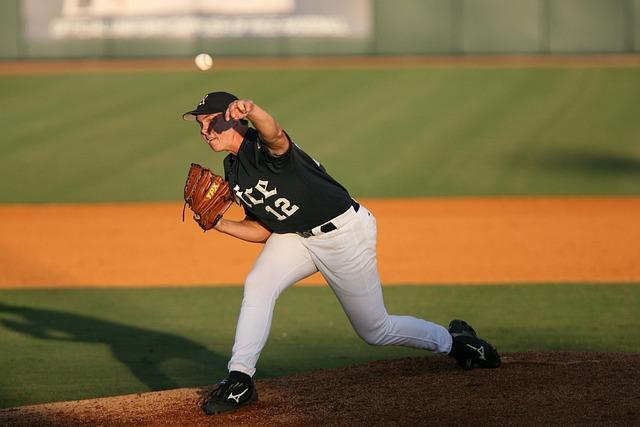
The NCAA is considering significant revisions to its longstanding eligibility rules, including the introduction of age limits for collegiate athletes, according to recent reports. These proposed changes mark a major shift in the governing body’s approach to athlete participation, potentially impacting recruitment, player development, and competitive balance across college sports. As the NCAA seeks to adapt to evolving demands and ensure fairness in competition, stakeholders from universities, athletes, and advocates are closely monitoring the implications of these new regulations.
NCAA Considers Implementing Age Limits to Standardize Athlete Eligibility
In an effort to create a more uniform playing field across collegiate sports, the NCAA is exploring new age restrictions that could impact athlete eligibility nationwide. Sources close to the discussions reveal that the governing body is considering setting both minimum and maximum age limits for student-athletes entering NCAA competition. This move aims to address concerns over disparities in physical and mental development caused by age differences among competitors, ensuring that all athletes compete under similar conditions. The proposal is also seen as a way to curb the trend of older athletes leveraging extended amateur careers, potentially reshaping recruiting and training strategies across college programs.
According to insiders, the proposed framework may include:
- Minimum age requirement: 18 years old at the start of competition
- Maximum age limit: 24 to 26 years old, depending on the sport
- Exceptions for military service or religious missions that pause or delay athletic participation
The NCAA emphasizes that any new eligibility rules would be crafted with input from coaches, athletic directors, and athletes themselves, aiming for a transparent and equitable system. While details remain tentative, the initiative has already sparked debate about fairness, athlete welfare, and the future of collegiate sports recruitment.
| Sport | Proposed Max Age | Current Max Age |
|---|---|---|
| Basketball | 24 | None |
| Football | 25 | None |
| Soccer | 26 | None |
| Track & Field | 24 | None |
Impact of Eligibility Rule Changes on College Athletes and Recruiting Strategies
The proposed eligibility rule changes by the NCAA, especially the introduction of age limits, are set to reshape the landscape of college athletics fundamentally. For student-athletes, these adjustments could impose new constraints on when and how long they can compete, potentially shortening athletic careers and influencing decisions about when to pursue college sports. The emphasis on age restrictions may push younger athletes to accelerate their recruitment process, while older players might face eligibility challenges, disrupting traditional pathways to collegiate competition.
Recruiting strategies will inevitably evolve as coaching staffs and programs recalibrate to navigate the updated regulations. Recruiting calendars may contract, with greater urgency placed on identifying and securing talent earlier. Moreover, programs may shift focus to younger prospects or invest more heavily in long-term scouting to mitigate risks associated with age-related disqualifications. Below is an overview of anticipated shifts in recruiting priorities due to the proposed rule changes:
| Recruiting Focus | Current Approach | Post-Rule Change Adaptation |
|---|---|---|
| Age Group Targeting | Broad age range | Emphasis on younger athletes |
| Recruitment Timeline | Extended recruitment window | Compressed timeline, faster commitments |
| Scouting Investment | Seasonal scouting | Year-round analytics and scouting |
| Player Development | Post-enrollment focus | Pre-enrollment training emphasis |
- Increased pressure on high school athletes to make earlier commitments.
- Potential rise in transfers or appeals as athletes navigate new eligibility constraints.
- Coaches leveraging technology for early talent identification and performance tracking.
Reactions from Coaches and Players on Proposed NCAA Eligibility Overhaul
Reactions from the NCAA community have been swift and varied. Several prominent coaches voiced cautious optimism, highlighting the potential for increased competitive balance across collegiate sports. “Introducing age limits could level the playing field, ensuring that younger athletes aren’t overshadowed by older, more experienced competitors,” said Coach Mark Reynolds of the University of Midwest. However, other coaches expressed concerns regarding recruitment challenges and the impact on experienced athletes nearing the end of their eligibility windows. The worry is that abrupt implementation might force programs into difficult adjustments mid-cycle.
Players’ responses were equally mixed, with many appreciating the intention behind the overhaul but questioning the execution details. A few athletes shared fears about lost opportunities for late bloomers who develop athletically and academically later in their college careers. Below is a quick glance at some of the common sentiments voiced during recent interviews:
- Supportive: Fairness and competitive equity emphasized
- Concerned: Potential career and scholarship implications
- Uncertain: Need for clear guidelines and transition periods
| Group | Predominant View | Key Concerns |
|---|---|---|
| Coaches | Competitive balance | Recruitment adjustments, experience loss |
| Players | Fair opportunity | Scholarship risks, late bloomers affected |
| Analysts | Long-term impact | Policy clarity, transition management |
Recommendations for Navigating New NCAA Eligibility Guidelines in College Sports
Adjusting to the NCAA’s proposed eligibility changes will require student-athletes, coaches, and athletic departments to stay proactive and informed. First and foremost, it’s essential for all stakeholders to review the new age limits and eligibility windows carefully to understand how these changes might affect player recruitment and roster management. Regular communication between academic advisors and compliance officers can help ensure athletes remain within the permissible guidelines without jeopardizing their eligibility status. Additionally, developing a comprehensive tracking system for athlete eligibility timelines will minimize the risk of inadvertent violations.
To further streamline the transition, consider implementing the following strategic practices:
- Educational workshops: Host sessions explaining the nuances of the new rules to athletes and coaches alike.
- Enhanced monitoring tools: Utilize digital platforms to track age, enrollment dates, and eligibility status in real time.
- Policy updates: Regularly update team handbooks and compliance manuals to reflect the latest NCAA guidelines.
| Recommendation | Responsibility | Benefit |
|---|---|---|
| Eligibility Tracking System | Compliance Officers | Reduces risk of rule violations |
| Age Limit Workshops | Coaching Staff | Improves awareness among athletes |
| Policy Handbook Updates | Athletic Directors | Ensures rule consistency |
Closing Remarks
As the NCAA moves forward with proposals to overhaul eligibility rules, including the introduction of age limits, the collegiate sports landscape faces significant potential shifts. Stakeholders across the industry-from athletes and coaches to institutions and fans-will be closely monitoring how these changes, if implemented, reshape the future of college athletics. Further updates are expected as discussions progress, with the aim of balancing fairness, competitiveness, and athlete welfare at the forefront of the NCAA’s agenda.