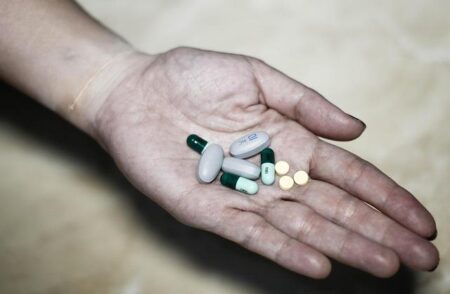
As the market for weight loss and sports supplements continues to surge, health experts are urging consumers to approach these products with caution. A recent advisory from Harvard Health highlights potential risks associated with many popular supplements, emphasizing the need for greater regulation and informed decision-making. While these products promise quick results and enhanced athletic performance, medical professionals warn that unregulated ingredients and exaggerated claims could pose significant health threats. This article explores the latest findings and expert recommendations for anyone considering supplements as part of their fitness or weight management routine.
The Hidden Risks Behind Popular Weight Loss and Sports Supplements
While many turn to weight loss and sports supplements to accelerate their fitness goals, emerging evidence suggests these products are far from risk-free. Many supplements lack rigorous regulatory oversight, creating uncertainty about their ingredients and potential side effects. Adverse reactions can range from mild gastrointestinal issues to serious cardiovascular complications. Notably, stimulants found in some fat burners have been linked to increased heart rate and elevated blood pressure, posing hidden dangers especially for individuals with underlying health conditions.
Additionally, contamination and mislabeling remain significant concerns. Studies reveal that some popular supplements may contain unlisted substances, including banned performance-enhancing drugs or toxic compounds. Consumers may unknowingly expose themselves to harmful agents, undermining both safety and athletic integrity. To better understand these risks, consider the table below outlining common supplement categories and associated hazards:
| Supplement Type | Common Risks | Notes |
|---|---|---|
| Fat Burners | Increased heart rate, insomnia | Often contain unregulated stimulants |
| Protein Powders | Kidney strain, allergens | Watch for additives and heavy metals |
| Pre-Workout | Jitters, elevated blood pressure | May include high caffeine doses |
| Fatty Acid Supplements | Bleeding risk, digestion issues | Quality varies by brand |
- Consult healthcare professionals before starting any new supplement regimen.
- Choose brands with third-party testing to minimize contamination.
- Monitor your body’s response and report any adverse effects immediately.
Evaluating Scientific Evidence Versus Marketing Claims
When confronting the flood of weight loss and sports supplement advertisements, it is essential to distinguish between compelling marketing and solid scientific backing. Many products tout swift results, relying on anecdotes and impressive visuals rather than peer-reviewed research. A critical look at the available studies reveals that a large number of these supplements lack consistent evidence showing significant health benefits or enhanced athletic performance. Consumers should prioritize products that have undergone rigorous clinical testing and be wary of those promising instant transformations or “miracle” effects.
Key factors to consider include:
- Source of Evidence: Is the claim supported by independent, reputable scientific studies?
- Sample Size & Duration: Were the trials large enough and conducted over an adequate period?
- Consistency: Do multiple studies corroborate the findings?
- Regulatory Approval: Has the product been evaluated by health authorities?
| Evaluation Criteria | Marketing Claims | Scientific Evidence | |||||||||||||||||||||||||||||
|---|---|---|---|---|---|---|---|---|---|---|---|---|---|---|---|---|---|---|---|---|---|---|---|---|---|---|---|---|---|---|---|
| Source | Company websites, testimonials | Peer-reviewed journals, clinical trials | |||||||||||||||||||||||||||||
| Claims | Rapid weight loss, boosted energy | Modest improvements, mixed results | |||||||||||||||||||||||||||||
| Validation | Minimal third-party verification |
When confronting the flood of weight loss and sports supplement advertisements, it is essential to distinguish between compelling marketing and solid scientific backing. Many products tout swift results, relying on anecdotes and impressive visuals rather than peer-reviewed research. A critical look at the available studies reveals that a large number of these supplements lack consistent evidence showing significant health benefits or enhanced athletic performance. Consumers should prioritize products that have undergone rigorous clinical testing and be wary of those promising instant transformations or “miracle” effects. Key factors to consider include:
|