
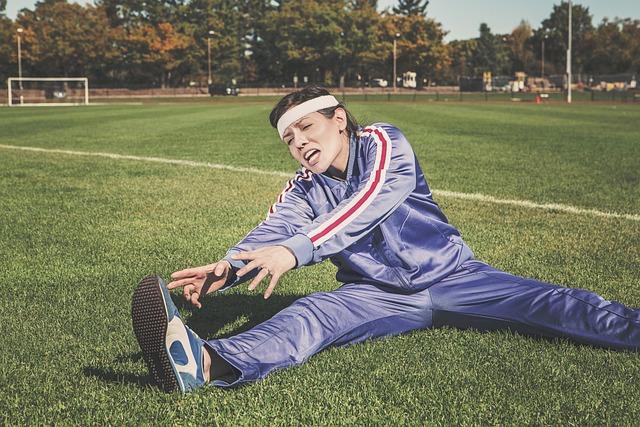
As youth sports continue to gain popularity across the globe, experts are urging parents, coaches, and organizations to pay closer attention to the psychological well-being of young athletes. According to a recent feature in Psychology Today, the mental health of these children and teens is often overlooked amid the pressures of competition and training. With increasing evidence linking intense athletic environments to stress, anxiety, and burnout, specialists emphasize the need for a balanced approach that nurtures both physical performance and emotional resilience. This growing conversation sheds light on the importance of safeguarding the mental health of young athletes to foster not only their success but also their overall well-being.
Understanding the Emotional Challenges Facing Young Athletes
Young athletes often grapple with pressures that extend far beyond physical performance. The relentless demand to excel in competition, meet parental expectations, and balance academic responsibilities can create a perfect storm of stress and anxiety. These emotional challenges may manifest as burnout, loss of motivation, or even depression, threatening both their mental health and athletic potential. Recognizing the signs early is crucial for coaches, parents, and mentors to provide timely support and prevent long-term psychological consequences.
Moreover, the social dynamics within sports environments can intensify feelings of isolation or self-doubt. Factors like team politics, comparisons with peers, and fear of failure contribute significantly to a young athlete’s emotional landscape. Key contributors to these challenges include:
- Performance anxiety: Persistent worries about meeting expectations on and off the field.
- Identity issues: Struggling to separate self-worth from athletic success.
- Pressure from external influences: Coaches, parents, and media intensify stress levels.
| Emotional Challenge | Impact on Athlete | Recommended Support |
|---|---|---|
| Burnout | Reduced performance & motivation | Balanced training and rest |
| Self-Doubt | Lowered confidence | Positive reinforcement |
| Social Isolation | Difficulty forming peer connections | Team-building activities |
The Impact of Performance Pressure on Mental Health
Young athletes frequently wrestle with intense expectations, whether from coaches, parents, or themselves, which can often lead to overwhelming feelings of anxiety and stress. This persistent pressure doesn’t only affect their physical performance but profoundly impacts their emotional resilience. Studies have shown that the relentless demand for excellence can trigger symptoms of depression, burnout, and even social withdrawal. Without proper psychological support, these young competitors may internalize failure as a personal deficit rather than a stepping stone in their development.
Recognizing early warning signs is crucial. Common indicators include:
- Decreased motivation despite continued training
- Frequent mood swings or irritability
- Sleep disturbances and appetite changes
- Withdrawal from team activities or social interactions
| Potential Stressor | Mental Health Impact |
|---|---|
| High Expectations | Increased anxiety levels |
| Continuous Competition | Risk of burnout |
| Lack of Rest | Impaired cognitive function |
| Public Scrutiny | Low self-esteem |
Strategies for Coaches and Parents to Support Psychological Well-being
Effective support for young athletes extends beyond physical training; fostering mental resilience and emotional health is equally crucial. Coaches and parents can cultivate an environment where young athletes feel safe to express themselves by encouraging open communication and practicing active listening. Recognizing signs of stress, burnout, or anxiety early on allows for timely intervention. Simple strategies such as celebrating effort over outcome and setting realistic, personalized goals help nurture intrinsic motivation and reduce performance pressure.
Additionally, incorporating regular mindfulness practices and stress-relief techniques into routines can significantly enhance psychological well-being. Below is a summary of actionable approaches to implement:
- Encourage balanced priorities: Emphasize academics, social life, and rest alongside sports.
- Model positive behavior: Demonstrate healthy coping mechanisms during setbacks.
- Provide consistent feedback: Offer constructive critique paired with genuine praise.
- Create peer support groups: Facilitate camaraderie and shared emotional experiences.
- Limit external pressures: Manage expectations from sponsors, media, and scouts.
| Strategy | Benefit | Example |
|---|---|---|
| Open communication | Reduces anxiety | Weekly one-on-one check-ins |
| Mindfulness exercises | Improves focus | 5-minute breathing sessions before practice |
| Goal-setting | Increases motivation | Personalized progress charts |
Creating a Balanced Environment for Growth and Resilience
Striking a healthy equilibrium between challenge and support is central to nurturing a young athlete’s mental and emotional development. It requires fostering an environment where effort is valued over outcome, and where mistakes are seen as opportunities rather than failures. Coaches, parents, and mentors should emphasize positive reinforcement and maintain open lines of communication to ensure athletes feel safe expressing vulnerabilities without fear of judgment or repercussion.
Key strategies for building this supportive atmosphere include:
- Balanced expectations: Setting realistic goals tailored to the athlete’s age and experience level.
- Emotional check-ins: Regularly assessing mood and stress to identify when additional support is needed.
- Encouraging autonomy: Allowing young athletes to participate in decision-making around training and competition.
| Support Element | Positive Impact |
|---|---|
| Encouragement | Boosts confidence and motivation |
| Active Listening | Builds trust and emotional safety |
| Structured Routine | Enhances focus and reduces anxiety |
| Freedom to Fail | Promotes resilience and growth mindset |
The Way Forward
As awareness grows around the pressures faced by young athletes, experts emphasize the importance of prioritizing their psychological well-being alongside physical training. Coaches, parents, and sporting organizations are urged to foster supportive environments that recognize the mental and emotional challenges inherent in competitive sports. By staying vigilant and proactive, the athletic community can help ensure that young players not only succeed on the field but also maintain a healthy and balanced mindset off it.