
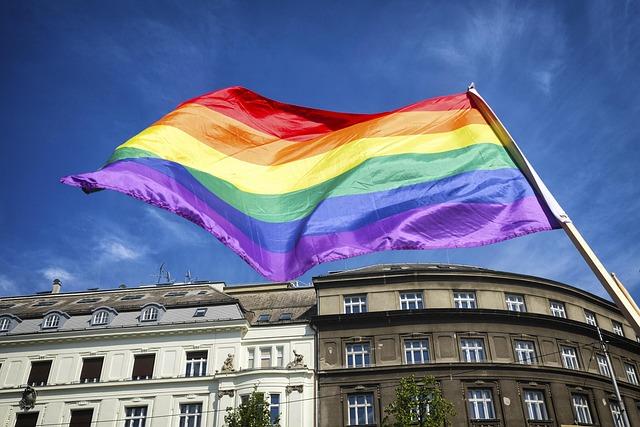
The Supreme Court appears poised to uphold recent bans on transgender athletes competing in sports consistent with their gender identity, signaling a pivotal moment in the ongoing national debate over transgender rights and athletic competition. As the Court weighs cases brought against several states’ policies restricting transgender participation in school sports, justices have shown a tendency to side with proponents of the bans, reflecting broader questions about fairness, inclusion, and the role of government in regulating athletics. This development could have far-reaching implications for transgender youth and the future of gender policies in sports across the United States.
Supreme Court Signals Support for State-Level Transgender Athlete Restrictions
Recent indications from the Supreme Court suggest a potential endorsement of state-level legislation that restricts transgender athletes from competing in sports categories aligning with their gender identity. The justices’ questions during oral arguments reflected a cautious stance, highlighting concerns about state interests in preserving fair competition and protecting opportunities for cisgender female athletes. This shift marks a significant moment in the ongoing legal battle surrounding transgender rights in athletics, signaling the Court’s willingness to uphold policies that have faced criticism for discriminating against transgender individuals.
Experts note that the Court’s approach could create a precedent enabling more states to enact similar prohibitions, fueling a patchwork of varying regulations across the country. The debate centers on balancing fairness in competitive sports with ensuring equal rights and protections under the law. Key considerations raised during the sessions included:
- The scientific basis of gender classifications in sports eligibility
- State authority versus federal anti-discrimination protections
- Impact on transgender youth’s access to athletics and social inclusion
| Aspect | Supporters’ View | Opponents’ View |
|---|---|---|
| Fairness | Protects competitive integrity for cisgender females | Excludes transgender athletes, reinforcing discrimination |
| Legal Basis | State rights to regulate sports participation | Conflicts with federal civil rights laws |
| Youth Impact | Ensures level playing field at the scholastic level | Limits transgender youths’ access and psychological wellbeing |
Legal and Social Implications of Upholding Transgender Athlete Bans
Expert Analysis on the Potential Impact for Schools and Sports Organizations
The Supreme Court’s inclination to uphold bans on transgender athletes participating in sports teams aligned with their gender identity is poised to send ripples across educational and athletic institutions nationwide. Schools and sports organizations will need to rapidly assess their policies, balancing compliance with legal mandates while navigating the complex social dynamics such rulings evoke. Administrators may face increased pressure to define eligibility criteria with clarity, potentially prompting revisions to participation guidelines and eligibility verification processes.
Key areas for impact include:
- Policy Development: Schools will likely draft more stringent regulations concerning gender identity verification to align with judicial precedents.
- Legal Compliance: Athletic organizations must ensure adherence to updated laws while mitigating risks of discrimination claims.
- Community Relations: The ruling could influence student-athlete experiences, sparking dialogue around inclusion, fairness, and mental health support.
| Stakeholder | Potential Challenge | Action Required |
|---|---|---|
| School Districts | Policy enforcement and backlash | Revise athletic eligibility rules |
| Sports Leagues | Balancing competition fairness | Implement consistent gender participation standards |
| Student-Athletes | Access and inclusion issues | Seek advocacy and support services |
Recommendations for Policymakers Navigating Transgender Athlete Participation Rules
Policymakers must strike a delicate balance between safeguarding competitive fairness in women’s sports and respecting the rights and dignity of transgender athletes. As courts edge toward upholding bans, it is essential to ground policy decisions in robust scientific evidence rather than anecdotal accounts or political pressures. Comprehensive frameworks that incorporate input from medical experts, sports organizations, and advocacy groups can provide clearer guidelines while minimizing discrimination. Developing transparent protocols for hormone level monitoring and athletic eligibility can ensure that policies are both enforceable and equitable.
Key strategies for policymakers include:
- Implementing evidence-based criteria tailored to each sport’s physiological demands
- Establishing clear appeal and review processes to protect athlete rights
- Encouraging collaboration between federal and state agencies to promote uniformity
- Providing educational resources to schools and sports bodies about transgender inclusion
| Policy Element | Considerations |
|---|---|
| Eligibility Standards | Hormone thresholds, puberty blockers, duration of treatment |
| Monitoring & Compliance | Regular testing, privacy safeguards, standardized procedures |
| Rights Protection | Appeals, anti-discrimination clauses, mental health support |
| Stakeholder Engagement | Inclusive consultations, community input, expert panels |
In Summary
As the Supreme Court signals a strong likelihood of upholding bans on transgender athletes, the ruling is poised to have significant implications for sports policy and civil rights debates nationwide. Observers and stakeholders await the formal decision, which will shape the legal landscape surrounding gender identity and athletic participation for years to come. Further analysis will follow as the Court’s final opinion is released.