
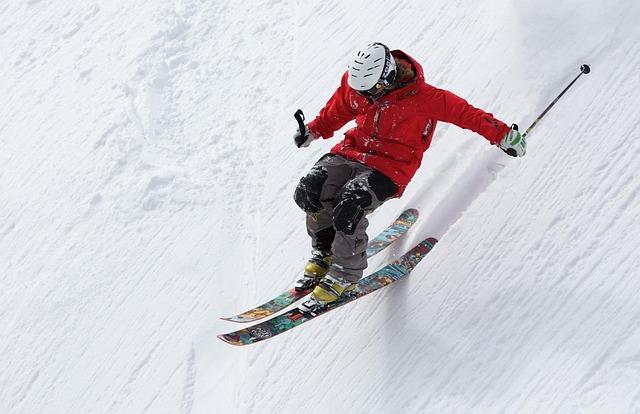
In recent years, the rising trend of intense sports involvement among young athletes has sparked growing concern among psychologists and health professionals. While participation in sports offers undeniable physical and social benefits, experts warn that over-involvement can lead to significant psychological and physical harm. This article, featured in Psychology Today, delves into the potential risks associated with excessive training, competition pressures, and early specialization, shedding light on how an unchecked obsession with athletic success may undermine the well-being of young athletes.
The Psychological Toll of Excessive Sports Commitment on Youth
Young athletes deeply entrenched in competitive sports often face significant psychological challenges that extend beyond physical strain. This hypercommitment can lead to elevated stress levels, anxiety, and burnout, often masked by the outward appearance of dedication and success. Studies suggest that the pressure to excel, compounded by rigorous training schedules, can disrupt adolescents’ social development and academic performance, leading to feelings of isolation and reduced self-worth.
Moreover, the relentless pursuit of athletic achievement may foster unhealthy perfectionism, where mistakes are feared and failure is internalized. Symptoms frequently reported include:
- Chronic fatigue and sleep disturbances
- Heightened irritability and mood swings
- Withdrawal from peers and family activities
| Psychological Effect | Potential Outcome |
|---|---|
| Burnout | Loss of motivation, quitting sport |
| Performance Anxiety | Impaired concentration, poor results |
| Low Self-Esteem | Social withdrawal, depression |
Balancing Ambition and Wellbeing in Young Athletes
In the competitive world of youth sports, enthusiasm and dedication are often celebrated as the cornerstones of future success. However, pushing young athletes beyond their limits can lead to unintended consequences, both physically and mentally. Burnout, injury, and decreased motivation are common among those whose training schedules leave little room for rest or personal time. Maintaining a healthy equilibrium ensures that young athletes not only excel but also sustain their passion and enjoyment for the sport throughout their development.
Experts emphasize a framework that incorporates both ambition and self-care, advocating for strategies such as:
- Regular mental health check-ins with coaches and guardians
- Balanced training programs that allow for recovery
- Encouraging multi-sport participation to diversify skills and reduce overuse injuries
- Setting realistic, incremental goals focusing on personal growth
| Factor | Impact on Young Athletes | Recommended Action |
|---|---|---|
| Excessive Training Hours | Physical Fatigue, Higher Injury Risk | Limit weekly sessions; prioritize rest days |
| High Pressure to Perform | Increased Anxiety and Stress | Promote positive reinforcement and realistic expectations |
| Lack of Personal Time | Social Isolation, Reduced Enjoyment | Encourage hobbies and social activities outside sport |
Recognizing Signs of Burnout and Emotional Stress Early
Early identification of burnout and emotional stress in young athletes is crucial to preventing long-term psychological and physical damage. Common indicators include persistent fatigue despite rest, sudden drops in performance, and withdrawal from team activities. Parents, coaches, and teammates should pay close attention to changes such as irritability, loss of motivation, and increased anxiety, which often signal that an athlete is struggling beneath the surface. These signs, if unnoticed, can escalate into more serious issues like depression or chronic stress disorders.
To assist in recognizing warning signs, the table below outlines key symptoms alongside suggested early actions. Prompt intervention not only supports the athlete’s mental health but can restore their passion for the sport without the overwhelming pressure. Creating an environment where open communication is encouraged helps young athletes feel safe to express vulnerabilities before burnout takes hold.
| Sign | Description | Recommended Action |
|---|---|---|
| Persistent Exhaustion | Lack of energy even after rest days. | Schedule medical and psychological evaluation. |
| Emotional Withdrawal | Reduced interest in team and social interactions. | Encourage open conversations and peer support. |
| Performance Drop | Noticeable decline in skill and focus. | Adjust training intensity and goals. |
| Increased Irritability | Frequent mood swings and frustration. | Provide access to counseling resources. |
Strategies for Parents and Coaches to Foster Healthy Sports Participation
To ensure young athletes thrive both on and off the field, parents and coaches must prioritize balance and well-being over accolades. Encouraging children to explore multiple sports instead of specializing too early helps reduce burnout and physical injuries. Open communication is key; fostering an environment where young athletes feel comfortable expressing their feelings can prevent stress from building unnoticed. Additionally, setting realistic goals that focus on effort and personal growth rather than just winning cultivates a healthier sporting experience.
Practical approaches to support young athletes include:
- Monitoring training loads to avoid overexertion
- Promoting rest and recovery as critical components of performance
- Modeling positive sportsmanship and coping strategies during challenges
- Prioritizing fun and social connections over competition outcomes
| Role | Key Action | Impact |
|---|---|---|
| Parent | Encourage diverse interests | Lower risk of burnout |
| Coach | Implement age-appropriate drills | Enhance skill and enjoyment |
| Parent & Coach | Maintain open dialogue | Support mental health |
The Way Forward
As young athletes continue to strive for excellence, balancing passion with well-being remains crucial. Experts emphasize that while sports can offer invaluable life lessons, over-involvement risks physical injury, mental fatigue, and emotional burnout. Stakeholders-from parents to coaches-are urged to prioritize healthy boundaries and holistic development. Ultimately, fostering a supportive environment that values personal growth over relentless competition may be the key to nurturing both successful and well-rounded young athletes.