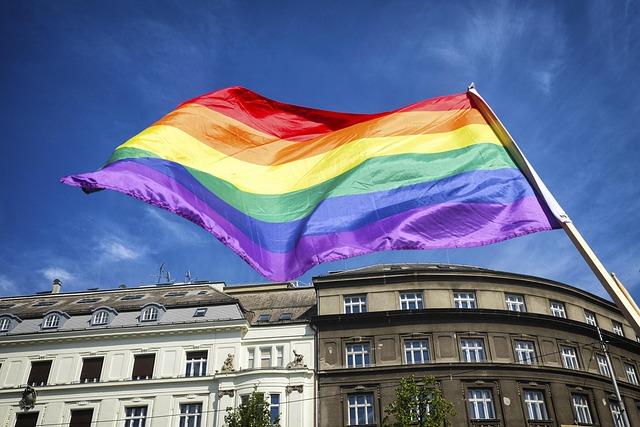
The debate over transgender athletes’ participation in competitive sports has increasingly become a focal point in legal and social arenas across the United States. With several high-profile cases making their way to the nation’s highest court, the Supreme Court of the United States (SCOTUS) is now poised to address critical questions about the rights of transgender individuals and the regulatory authority of sports organizations. This article provides a comprehensive explainer on the key transgender athlete cases before the Court, outlining the background, legal arguments, and potential implications for the future of sports and civil rights.
Background and Legal Framework Surrounding Transgender Athlete Cases
Legal discussions surrounding transgender athletes have surged in recent years, focusing on the intersection of civil rights, gender identity, and sports regulations. Central to these debates is the interpretation of federal laws, such as Title IX of the Education Amendments of 1972, which prohibits sex-based discrimination in any education program receiving federal funding. Courts and policymakers grapple with whether Title IX protections extend to gender identity, impacting transgender individuals’ participation in competitive sports aligned with their gender. Various states have enacted legislation either restricting or protecting transgender athletes’ rights, creating a fractured legal landscape that often culminates in high-profile litigation.
This complex framework brings multiple legal principles into play, including:
- Equal Protection Clause under the Fourteenth Amendment
- Sex discrimination laws across federal and state statutes
- Interpretations of school and athletic association policies
- The evolving understanding of gender identity and biological sex in legal contexts
| Key Legal Elements | Impact on Transgender Athlete Cases |
|---|---|
| Title IX Interpretation | Determines protection scope under sex discrimination laws |
| State Legislations | Vary widely between protective policies and restrictive bans |
| Court Rulings | Shape precedent, influencing future case outcomes |
| Sports Associations | Set eligibility criteria affecting participation rights |
Key Arguments and Positions Presented Before the Supreme Court
Proponents of policies restricting transgender athletes’ participation in sports teams aligned with their gender identity argue primarily on the grounds of fairness and safety. They contend that allowing transgender women to compete in women’s sports could create an uneven playing field due to physiological advantages, such as muscle mass and endurance developed during male puberty. These arguments emphasize the preservation of opportunities and protections for cisgender female athletes, suggesting that transgender inclusion might inadvertently undermine Title IX’s original intent to ensure equal athletic opportunity for girls and women.
Opponents, on the other hand, frame bans as discriminatory and a violation of civil rights, asserting that transgender athletes should be allowed to compete consistent with their gender identity. They highlight scientific studies that question the purported advantages and stress the importance of inclusivity and mental health benefits for transgender youth. Legal briefs submitted to the Court underline the constitutional protections against sex discrimination and point to conflicting decisions across lower courts, urging for a clear, uniform standard that respects the dignity and rights of transgender individuals.
| Key Point | Supporting Side | Focus |
|---|---|---|
| Biological differences impact competitive fairness | Restricting Policies | Physiological science |
| Bans violate civil rights laws | Opposing Policies | Anti-discrimination |
| Inconsistent court rulings cause confusion | Both sides | Need for legal clarity |
| Inclusion benefits mental and social health | Opposing Policies | Social justice |
Implications of the Supreme Court Rulings for Sports Policies Nationwide
The recent Supreme Court rulings have set significant precedents that will shape sports policies across the United States, particularly regarding the participation of transgender athletes. Schools and sports organizations are now compelled to evaluate their eligibility criteria with greater scrutiny, balancing inclusion with competitive fairness. These decisions have sparked a wave of legislative activity at both state and local levels, prompting policymakers to draft or revise statutes that address gender identity considerations in youth and collegiate sports.
Key impacts include:
- Heightened legal clarity on the limits of discrimination claims and protections under federal civil rights laws.
- Increased autonomy for sports governing bodies to enforce sex-based eligibility rules without immediate federal intervention.
- A surge in policy revisions aiming to define “biological sex” more explicitly to guide athlete classification.
- Potential shifts in funding and support tied to compliance with new or existing anti-discrimination frameworks.
| State | Policy Change | Effective Date |
|---|---|---|
| Florida | Restricting transgender participation to birth sex categories | July 2024 |
| California | Enhanced protections for transgender athletes | January 2025 |
| Texas | Mandatory hormonal benchmarks for eligibility | September 2024 |
| New York | Inclusive policy with case-by-case assessments | Ongoing |
As these rulings reverberate through the sports community, organizations are advised to stay informed of evolving legal standards to avoid litigation. Meanwhile, advocates on all sides continue to debate the implications of fairness, safety, and equality, underscoring the complex intersection of law, biology, and civil rights in today’s sporting landscape.
Recommendations for Legislators and Athletic Organizations Moving Forward
Legislators and athletic organizations must prioritize balanced policies that protect the rights of all athletes while maintaining fair competition. It is essential to engage with medical experts, legal professionals, and athletes themselves to craft regulations that are both scientifically informed and inclusive. Transparent dialogue and continuous review of policies will help prevent partisan gridlock, ensuring rules evolve alongside emerging research and social understanding. Prohibitive or overly broad legislation risks alienating communities and undermining the integrity of sportsmanship.
In practical terms, organizations should consider implementing tiered eligibility frameworks that account for the diversity of sports disciplines, competitive levels, and physiological factors. The following table outlines a potential model for adaptable athletic policies:
| Sport Type | Eligibility Criteria | Review Frequency | Support Services |
|---|---|---|---|
| Endurance Sports | Hormonal assessment & 12-month transition | Annual | Medical consultation & counseling |
| Strength Sports | Biometric evaluation & competitive history | Biannual | Legal advice & peer support groups |
| Team Sports | Individual assessment + team agreement | Seasonal | Conflict resolution facilitation |
- Foster inclusivity: Develop training and education programs for coaches and officials to handle transgender athlete participation sensitively.
- Promote transparency: Publish policy rationales and decision-making processes to build trust within communities.
- Encourage research: Fund longitudinal studies to better understand the impact of inclusion policies on competitive fairness.
The Way Forward
As the Supreme Court prepares to weigh in on the complex issues surrounding transgender athletes, the nation awaits a decision that could redefine the landscape of sports and civil rights. This series of cases highlights the ongoing tensions between inclusivity, fairness, and legal interpretation. SCOTUSblog will continue to provide in-depth coverage and analysis as this pivotal chapter unfolds.